2025 Guide: How to Choose the Best LED Light Pods for Your Vehicle
As the automotive lighting industry continues to evolve, LED light pods have emerged as a prominent choice among vehicle enthusiasts seeking enhanced visibility and aesthetics. According to a report by the Allied Market Research, the global LED lighting market is expected to reach $105 billion by 2025, driven by innovations in energy efficiency and durability. This shift towards LED technology is particularly noticeable in off-road and recreational vehicles, where robust lighting solutions are critical for safety and performance.
Experts like Dr. Sarah Thompson, a leading automotive lighting consultant, emphasize the importance of choosing the right LED light pods. She notes, "The evolution of LED light pods not only enhances the driver's experience but also ensures better safety on challenging terrains." With numerous options available on the market, understanding the specifics of lumen output, beam pattern, and build quality becomes essential. This guide aims to simplify the selection process by addressing key factors that affect the performance and suitability of LED light pods for various vehicles, ensuring that users can make informed decisions tailored to their individual needs.

Understanding LED Light Pods: Definition and Types
LED light pods have gained traction in recent years due to their versatility and efficiency. Technically, an LED light pod is a compact light source that utilizes light-emitting diodes (LEDs) to produce illumination. These pods are available in various configurations, including single and multi-LED setups, which can meet different lighting needs, be it for off-roading adventures, worksite applications, or simply enhancing the aesthetic of a vehicle. According to industry reports, the global market for automotive LED lighting is expected to reach $30 billion by 2027, showcasing the growing demand for efficient lighting solutions.
In terms of types, LED light pods can be categorized based on their beam patterns, such as spot, flood, and combo beams. Spot beams provide concentrated light that can reach farther distances, making them ideal for high-speed driving or navigating dark trails. Flood beams, on the other hand, spread light across a wider area, which is beneficial for off-road driving where visibility in peripheral areas is crucial. Combo beams offer the best of both worlds, providing a mix of spot and flood patterns for well-rounded illumination. Understanding these types is crucial for selecting the right LED light pod that suits one's specific driving conditions and requirements.
2025 Guide: How to Choose the Best LED Light Pods for Your Vehicle
| Type |
Wattage |
Lumens |
Color Temperature (K) |
Beam Pattern |
Water Resistance Rating |
| Spot Light Pods |
30W |
3000 lm |
6000K |
Spot |
IP68 |
| Flood Light Pods |
20W |
2500 lm |
5000K |
Flood |
IP67 |
| Combo Light Pods |
40W |
4000 lm |
5500K |
Combo |
IP69 |
| Multi-Function Pods |
50W |
5000 lm |
6000K |
Multi |
IP68 |
Key Factors to Consider When Choosing LED Light Pods
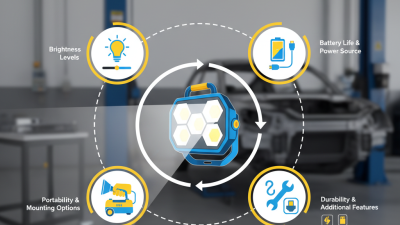
When choosing LED light pods for your vehicle, it's essential to consider several key factors to ensure optimal performance and compatibility. Firstly, assess the brightness and lumen output needed for your specific application. Different driving conditions and environments may require varying levels of brightness. For instance, if you frequently navigate through off-road terrains or poorly lit areas, higher lumen counts can provide better visibility and safety.
Another important factor is the beam pattern of the LED light pods. Depending on your usage, you may prefer floodlights for wider illumination or spotlights for focused light at longer distances. Evaluating your vehicle’s mounting configurations is also crucial, as this will determine the size and shape of the light pods you can use. Ensure that the pods you select can be securely installed without obstructing other essential components or impairing the overall aesthetics of your vehicle.
Lastly, paying attention to the construction quality and the weather resistance of the LED light pods is vital. They should be durable enough to withstand harsh weather conditions while maintaining functionality over time. Look for products that offer protective features such as shock resistance and water-proofing to extend their lifespan. By considering these factors, you can make an informed decision and choose the best LED light pods tailored to your vehicle’s needs.
Comparing Brightness and Color Temperature in LED Light Pods
When selecting LED light pods for your vehicle, evaluating brightness and color temperature is essential. Brightness, measured in lumens, determines how much light is emitted from the pod. A higher lumen rating generally indicates a brighter light, which is crucial for off-road driving or areas with limited visibility. It's important to find a balance: while ultra-bright pods can penetrate darkness effectively, they may cause glare that can impair the vision of oncoming drivers. Therefore, assessing your specific lighting needs, including the intended use and environment, will help you choose the right level of brightness.
Color temperature, measured in Kelvin (K), plays a significant role in how the light appears and performs. Cooler color temperatures, typically around 6000K to 6500K, emit a bluish-white light that can enhance visibility in certain conditions, mimicking daylight, and helping to reduce eye strain. On the other hand, warmer color temperatures, ranging from 3000K to 4000K, produce a yellowish light that is often better for foggy or rainy conditions, as it penetrates moisture more effectively and reduces reflections. Understanding these two critical aspects will guide you in selecting LED light pods that not only illuminate your path but also cater to your driving environment and preferences.
Installation Options for LED Light Pods on Your Vehicle
When it comes to enhancing your vehicle's visibility and style, LED light pods are an excellent choice. The installation options for these light pods can greatly influence their effectiveness and integration with your vehicle. According to a report by the Specialty Equipment Market Association (SEMA), the trend for auxiliary lighting has seen a steady increase, with a projected growth rate of over 7% annually through 2025. This highlights the growing demand for customizable lighting solutions among vehicle enthusiasts.
One of the most popular installation options is the flush mount, which allows for a sleek integration into the vehicle's body. This method not only preserves the aesthetic appearance but also protects the lights from potential damage during off-road adventures. Additionally, mounting options such as bracket mounts provide versatile positioning, allowing drivers to adjust the angle of the light pods according to their specific needs. A study by the National Highway Traffic Safety Administration (NHTSA) indicates that properly angled lights can significantly improve road visibility, enhancing safety during night driving.
For DIY enthusiasts, many LED light pods come with straightforward installation instructions, making it possible to set them up without professional help. Furthermore, the availability of various mounting accessories in the aftermarket sector enables users to customize their installation approach to fit different vehicle configurations. The overall flexibility in installation options caters to a wide range of preferences and driving styles, affirming the growing popularity of LED light pods in the automotive market.
Top Brands and Recommendations for LED Light Pods in 2025
When selecting LED light pods for your vehicle in 2025, it's crucial to consider both performance and reliability. Industry reports indicate that brightness, measured in lumens, is a key factor. High-quality LED light pods typically offer a lumen output ranging from 2,500 to 6,000 lumens, which significantly enhances visibility during night driving or off-road adventures. Furthermore, energy efficiency is also vital; look for options that offer more lumens per watt, with the best models achieving up to 120 lumens per watt. This can optimize your vehicle's battery life while providing excellent illumination.
When it comes to brands, the market now features several leading names that have consistently topped customer reviews for durability and light output. Reports from consumer reviews indicate that the best-performing LED light pods are often made with durable housings that can withstand harsh environmental conditions, such as water resistance rated at IP68 or higher. This ensures longevity and reliability, making them a safer choice for those who frequently drive in challenging conditions.
**Tips:** Always consider the color temperature of the LED lights; those in the range of 5000K to 6000K are generally preferred for their daylight-like appearance which can help reduce eye strain. Additionally, ensure that the mounting options are compatible with your vehicle, and check for ease of installation to avoid additional costs.