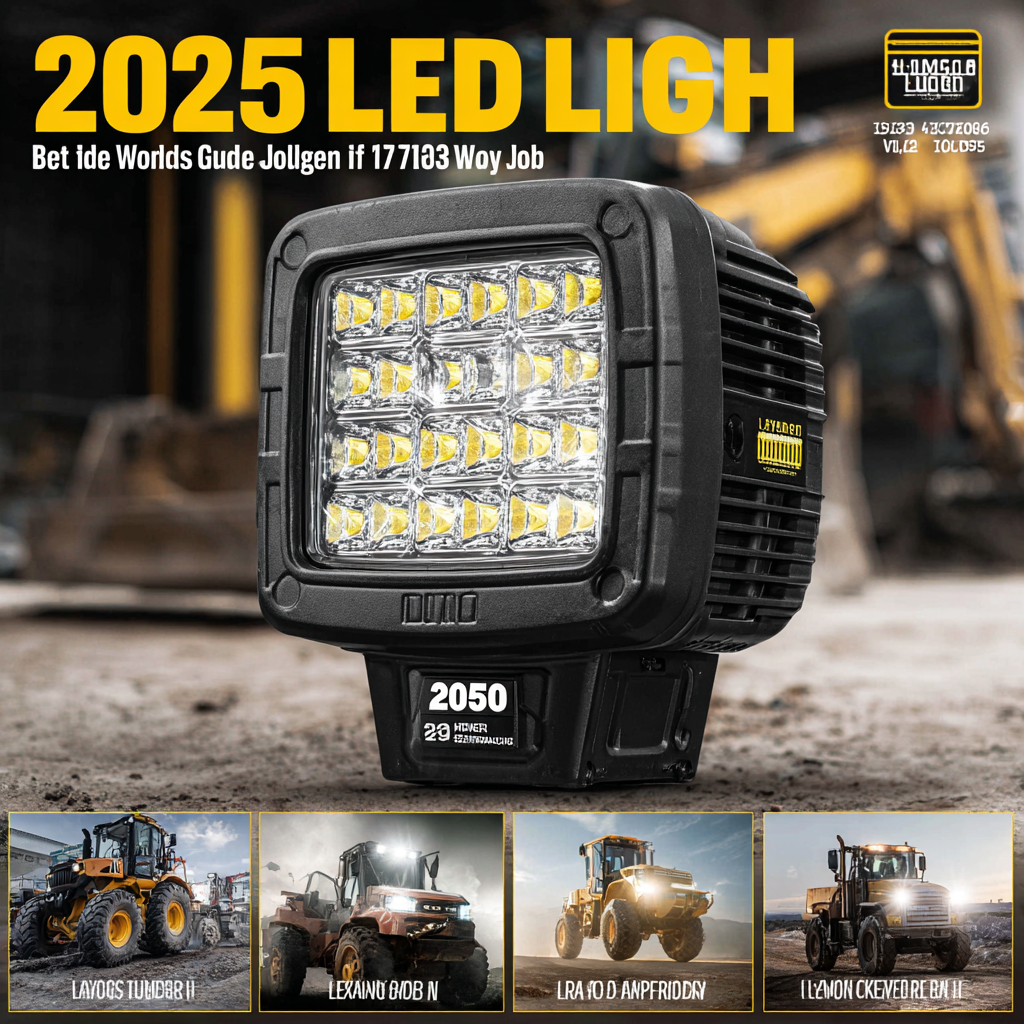
2025 Ultimate Guide to the Best LED Work Lights for Every Job
In 2025, the demand for efficient and reliable lighting solutions in professional and industrial environments continues to grow, making LED work lights a pivotal choice for various applications. According to a report by the U.S. Department of Energy, the market for LED lighting is projected to reach $105 billion by 2025, demonstrating an unprecedented shift towards energy-efficient alternatives. LED work lights stand out due to their longevity and reduced energy consumption compared to traditional lighting options, which not only lowers operational costs but also minimizes environmental impact.
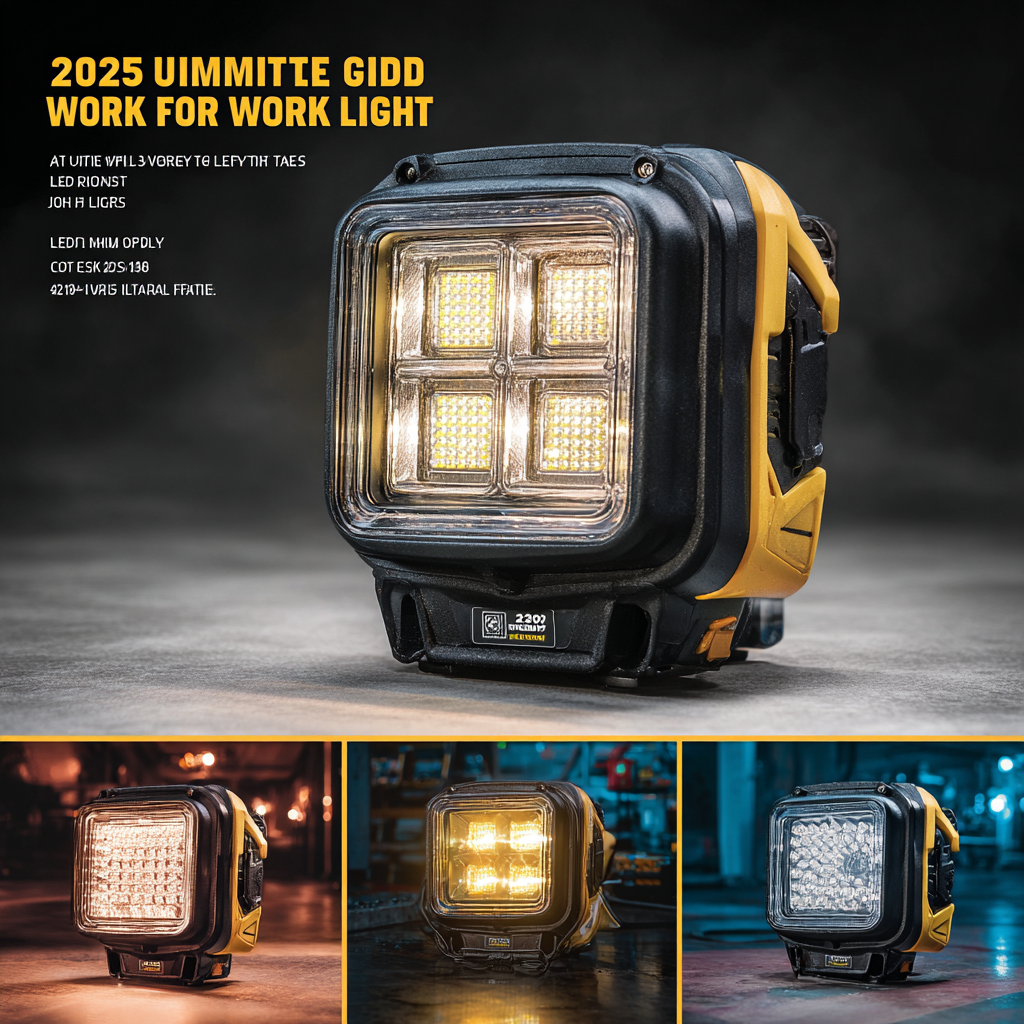
As industries adapt to this evolution, understanding the best LED work lights tailored for different job requirements is essential for maximizing productivity and safety. Whether in construction, automotive repair, or outdoor events, the versatility and brightness of LED work lights provide users with the ability to illuminate work areas effectively. The International Association of Lighting Designers highlights that high-quality work lighting can enhance performance and reduce workplace accidents by up to 30%. This guide aims to explore the variety of LED work lights available in 2025, ensuring that every professional can find the ideal solution for their specific needs.
Key Factors to Consider When Choosing LED Work Lights for Different Applications
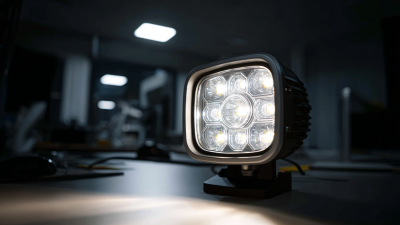
When selecting the best LED work lights for various applications, it is essential to consider several key factors. First, the luminosity of the work light is crucial, as it determines how well the light can illuminate a workspace. A higher lumen output is preferable for tasks requiring detailed visibility, such as electrical work or intricate repairs. Additionally, the beam pattern affects how the light disperses; flood beams are ideal for widespread illumination, while spot beams provide focused light for precision tasks.
Another important factor is the durability of the LED work light. Since these lights are often used in demanding environments, they should be resistant to impacts, water, and dust. Look for models rated for rugged usage, ensuring they can withstand various job site conditions. Furthermore, consider the power source; rechargeable lights offer convenience, while plug-in options provide uninterrupted brightness during extended tasks. Ultimately, understanding the specific requirements of your job will guide you in choosing the right LED work light tailored to your needs.
2025 Ultimate Guide to the Best LED Work Lights for Every Job
This chart illustrates the brightness (in lumens) and energy efficiency (in watts) of various LED work light types, helping users choose the best option for their needs.
Comparative Analysis of Lumens Output: What You Need for Optimal Brightness
When selecting the best LED work lights for various tasks, understanding lumens output is crucial for achieving optimal brightness. Lumens measure the total amount of visible light emitted by a source, and different jobs require different levels of illumination. For example, intricate tasks like automotive repairs or detailed craftsmanship often necessitate higher lumens, typically between 1,000 to 2,500, to avoid shadows and ensure precision. Conversely, general maintenance projects may only demand lighter outputs of around 500 to 1,000 lumens.
In the market today, LED work lights come with varying lumens ratings, making it essential to consider your specific needs before purchasing. High-lumen lights often provide adjustable brightness settings, allowing users to customize illumination based on the job's requirements. Additionally, factors such as wattage efficiency, battery life, and portability also play significant roles in selecting the right light. By thoroughly understanding lumens output and its significance in different work scenarios, you can make an informed decision, ensuring that you have the right brightness for every job, enhancing both productivity and safety.
Durability Ratings in LED Work Lights: Understanding IP Ratings and Their Importance
When selecting LED work lights, understanding durability ratings is crucial, particularly the Ingress Protection (IP) ratings. These ratings indicate how well a light can withstand dust and moisture, which is essential for work environments that may expose lights to harsh conditions. A higher IP rating signifies better durability; for instance, an IP65 rating means the light is completely dust-tight and can resist water jets from any direction. This level of protection is vital for outdoor jobs or in areas prone to spills and debris.
Tips: Always check the IP rating before purchasing a work light. For indoor use, a rating of IP20 may suffice. However, for outdoor or wet locations, look for a rating of IP65 or higher. Additionally, consider the design of the light; features such as rubber bumpers or reinforced housing can further enhance its durability and longevity.
Moreover, it's essential to factor in the intensity and spread of light provided by the LED work lights. Choosing lights with adjustable brightness settings can offer versatility for various tasks, ensuring that you have the right level of illumination whether you are working in tight spaces or larger areas. Ensure that the light's beam angle meets your specific job requirements.
Energy Efficiency and Cost Savings: The Economic Benefits of LED Over Traditional Lighting
The transition from traditional lighting to LED work lights brings significant energy efficiency and cost savings that can greatly benefit both businesses and individuals alike. One of the most compelling advantages of LED technology is its ability to consume up to 75% less energy compared to incandescent or halogen bulbs. This drastic reduction in energy use not only contributes to a smaller environmental footprint but also results in substantial savings on electricity bills. For companies with extensive lighting requirements, these savings can accumulate to thousands of dollars annually.
Moreover, the longevity of LED work lights further enhances their economic appeal. Most LED bulbs can last up to 25,000 hours or more, reducing the need for frequent replacements and associated maintenance costs. In contrast, traditional bulbs typically need replacement every 1,000 hours, leading to additional labor and material expenses. By investing in LED work lights, businesses can optimize their operations while enjoying the dual benefit of lower costs and reduced environmental impact. In any job setting, the choice of lighting can influence not only efficiency but also profitability.
The Impact of Color Temperature on Visibility and Productivity in Work Environments
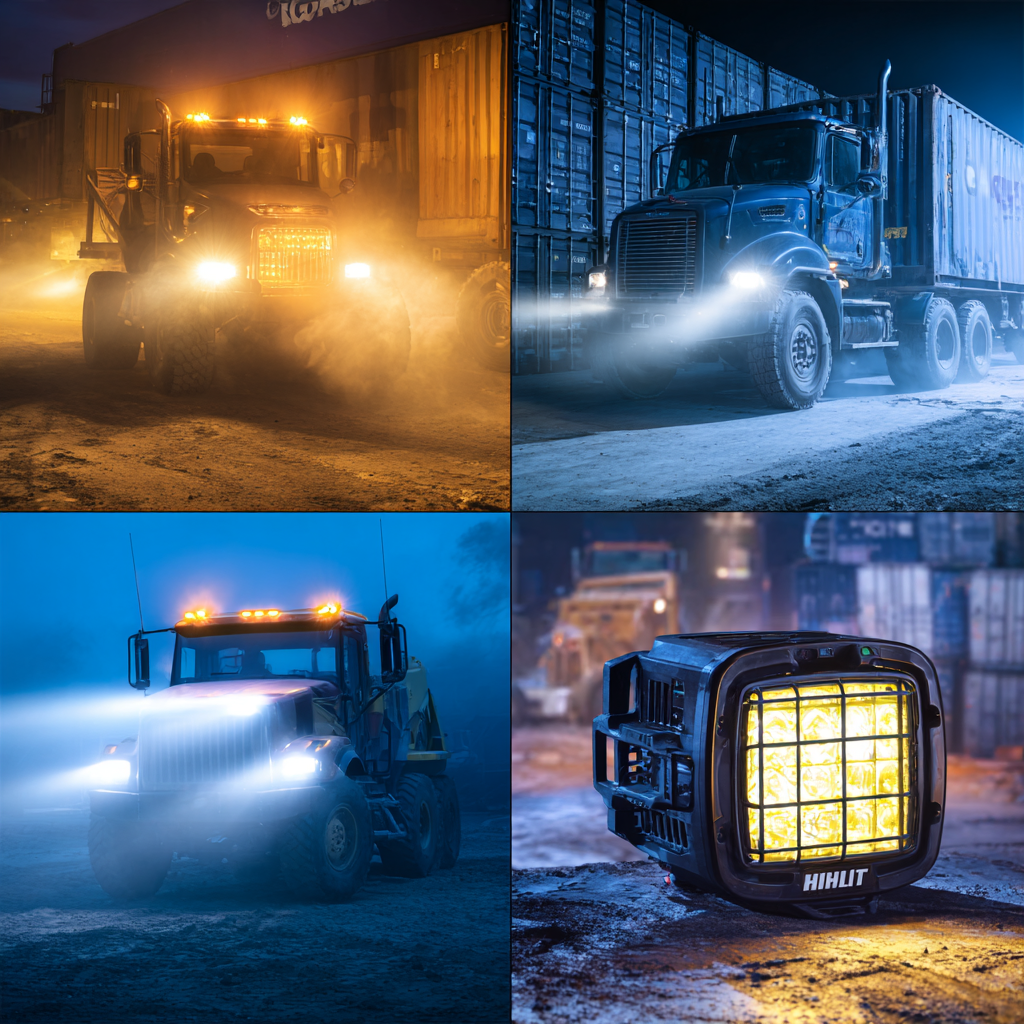
Color temperature plays a significant role in the visibility and productivity of workers in various environments. Measured in Kelvin (K), color temperature indicates the hue of the light emitted by a source, which can range from warm yellow tones to cool blue ones. In work environments, the choice between warmer or cooler light can influence not only mood but also efficiency. For instance, cooler color temperatures (above 5000K) mimic daylight and are optimal for tasks requiring focus and detail, such as assembly lines and precision work. These luminous conditions can enhance alertness, reducing eye strain and fatigue, ultimately leading to improved productivity.
Conversely, warmer light (below 3000K) can create a more relaxed atmosphere, making it suitable for settings like lounges or break rooms where comfort and relaxation are the primary goals. However, in high-activity areas like warehouses or construction sites, cooler temperatures are generally preferred as they allow for better visibility and can help workers stay engaged and energized. Thus, understanding the impact of color temperature is crucial when selecting LED work lights to ensure that lighting conditions are tailored to the specific needs of each job, enhancing both safety and productivity in diverse work environments.