2026 Top Led Light Pods Buyer Guide What to Look For?
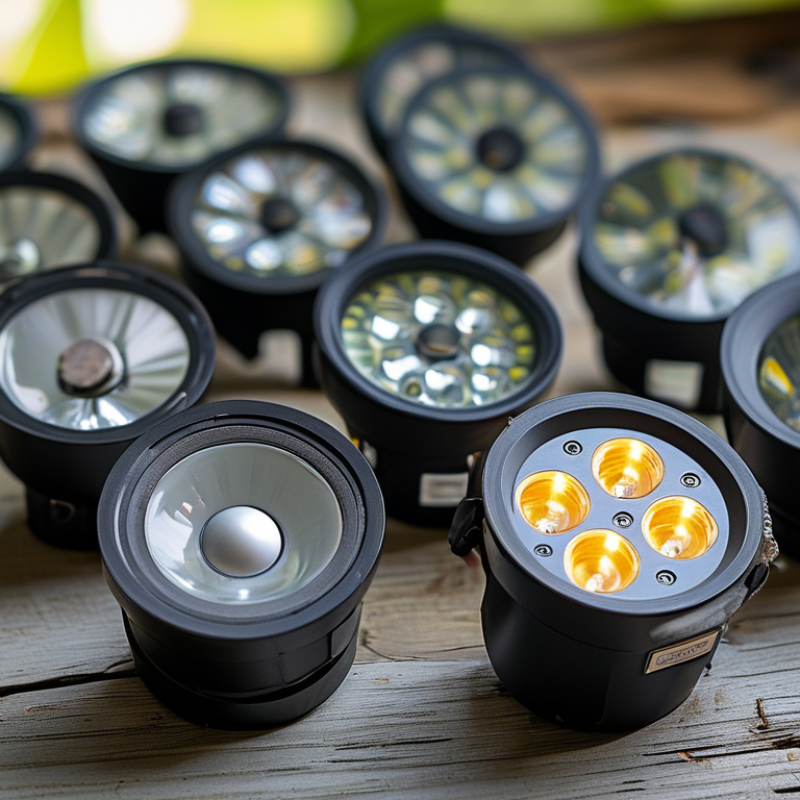
When searching for the perfect LED light pods in 2026, you'll face many options. LED light pods are essential for enhancing visibility. They can transform your vehicle's lighting game. With so many models, choosing the right one may seem overwhelming.
Consider the key features that matter most. Brightness, durability, and beam pattern play crucial roles. High-quality LED light pods can withstand harsh conditions. They offer better performance in off-road scenarios. You'll also want to think about installation ease and compatibility.
Not every product on the market meets high standards. Some brands may lack consistency in quality and reliability. Your investment deserves careful consideration. Researching user reviews can provide valuable insights. This guide aims to help you navigate through choices wisely. Make an informed decision before purchasing your LED light pods.
What Are LED Light Pods and Their Applications in 2026?
LED light pods have gained popularity for their versatility and efficiency. These compact lights are ideal for various applications, from off-road vehicles to home illumination. In 2026, their use continues expanding, driven by advancements in technology and changing consumer needs. Business owners often utilize LED lights for effective signage and advertisement. Their brightness attracts attention and enhances visibility.
The design of LED light pods is often rugged and weather-resistant. They perform well in extreme conditions, making them reliable for outdoor adventures. Many users appreciate their low energy consumption. This energy efficiency translates into cost savings over time. However, not every user is familiar with installation and optimal placement. Misalignment can diminish their effectiveness. Choosing the right beam pattern is crucial for maximizing visibility.
Considerations for purchasing LED light pods include brightness, durability, and ease of installation. Consumers should be aware of different lumen ratings and what they mean for real-world performance. It's not just about selecting the most powerful option. A balance between brightness and energy use is often required. Oftentimes, buyers overlook these factors. A thoughtful choice ensures the lights serve their intended purpose effectively.
2026 Top Led Light Pods Buyer Guide - What to Look For?
| Feature |
Description |
Application |
| Brightness (Lumens) |
Measured in lumens, indicates the amount of light emitted. |
Off-road vehicles, construction sites, outdoor activities. |
| Beam Pattern |
Shape of light emitted: spot, flood, or a combination. |
Cave exploration, landscape lighting, emergency services. |
| Wattage |
Power consumed by the light pod; affects energy efficiency. |
Motorcycles, ATVs, boats. |
| Durability |
Resistance to water, dust, and impact; usually rated IP65/IP67. |
Construction, mining, marine applications. |
| Color Temperature |
Measured in Kelvins; cooler lights are usually bluish, warmer are yellow. |
Car tuning, ambiance settings, night time photography. |
| Mounting Options |
Variety of installation types: flush, surface, adjustable mounts. |
DIY projects, vehicle upgrades, outdoor installations. |
Key Features to Consider When Buying LED Light Pods
When considering LED light pods, several key features are crucial to ensure optimal performance and satisfaction. Brightness is one of the most significant factors. Check the lumens rating. A higher lumen count means brighter light. This is especially important if you plan to use the pods for off-roading or in low visibility conditions.
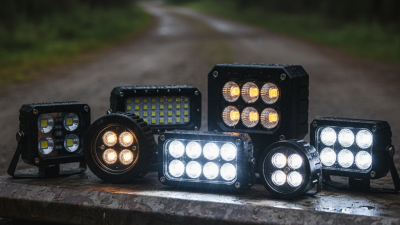
Another vital aspect is the beam pattern. Different shapes serve different needs. Some light pods provide a spot beam for distance illumination, while others offer a flood beam for wide area coverage. Assess your requirements carefully. Material durability is critical too. Look for pods made from high-quality, weather-resistant materials to withstand harsh environments.
Installation is often overlooked. Simple installation saves time and hassle. Some pods come with mounting hardware, while others may require additional purchases. Ensure compatibility with your vehicle to avoid unnecessary complications. It’s essential to research user reviews and expert opinions as well. Sometimes, claims don’t match real-life performance. Balance features against price. Don’t fall into the trap of thinking expensive automatically means better. Consider your actual needs and budget for the most satisfying purchase.
2026 Top LED Light Pods Features Comparison
Comparative Analysis of Brightness: Lumens vs. Watts in LED Lighting
When choosing LED light pods, understanding brightness is crucial. The two main indicators of brightness are lumens and watts. Lumens measure the actual light output, while watts indicate energy consumption. Many people mistakenly believe that higher wattage equals brighter light. This assumption can lead to poor purchasing choices.
LED lights are designed to be energy-efficient. A lower wattage can produce the same, or even higher, lumens compared to traditional bulbs. For example, a 10-watt LED might provide 800 lumens, whereas a 60-watt incandescent bulb offers the same brightness. This efficiency is one of the reasons LEDs are gaining popularity.
However, not all LED lights are created equal. Some manufacturers may inflate claims about lumens. This makes it hard to trust the numbers provided. Always refer to product specifications and reviews. A thorough understanding of how lumens and watts interact will guide you in making an informed decision when buying LED light pods.
Evaluating Durability: IP Ratings and Their Significance for Outdoor Use
When considering LED light pods for outdoor use, durability is crucial. One of the key factors to look for is the IP rating. IP stands for Ingress Protection. This rating indicates how well the product can withstand dust and moisture. The higher the IP rating, the better the protection. A minimum rating of IP65 is often recommended for outdoor applications. This rating means the product is dust-tight and can handle low-pressure water jets from any direction.
Understanding the significance of IP ratings is essential. An IP67 rating provides extra assurance, meaning the light pod can be submerged in water up to one meter for a limited time. Choosing lights with these ratings enhances long-term reliability. However, it's important to note that even high-rated products can fail if exposed to extreme conditions beyond their specifications.
Real-world testing reveals that environmental factors greatly impact performance. Temperature variations and humidity can affect longevity. Regularly inspecting the lights for signs of wear is wise. Sometimes, a high rating does not guarantee a longer lifespan. Users should prioritize quality materials and build over numbers alone. This approach ensures the investment pays off in more reliable outdoor lighting.
Cost-Effectiveness: Understanding Lifespan and Energy Efficiency of LED Pods
When considering LED light pods, cost-effectiveness is a key factor.
LED technology is known for energy efficiency.
Research indicates that LED lights consume 75% less energy than traditional incandescent bulbs.
This reduction significantly lowers electricity bills, making LEDs a smart long-term investment. Their lifespan usually spans
25,000 to 50,000 hours, compared to just 1,000 hours for standard bulbs.
This longevity contributes to their cost-effectiveness. While initial costs may be higher,
the savings in energy costs are substantial. A report by the U.S. Department of Energy reveals
that widespread LED adoption can save the nation
$250 billion in energy costs by 2027. However, not all LED pods perform equally.
Variations in manufacturing quality can impact lifespan and efficiency. It's crucial to research and ensure the chosen products
meet high standards.
Sustainability is another important consideration. LEDs produce less heat, which minimizes energy waste. Furthermore, they do not
contain harmful substances like mercury, unlike compact fluorescent lights. As consumers become increasingly aware of environmental impact,
the appeal of energy-efficient LED pods grows stronger. Yet, potential buyers should remain skeptical of overly optimistic claims and
verify manufacturer specifications.