What is Auto Switch Panel and How Does It Work?
In the world of automotive technology, the "Auto Switch Panel" has emerged as a crucial component. According to Dr. Sarah Jensen, an expert in automotive system design, "The efficiency of an Auto Switch Panel can transform how users interact with their vehicles." This device centralizes control, making it easier to manage various functions with just a touch.
Auto Switch Panels function by integrating multiple controls into a single unit. This innovation enhances convenience for drivers who prefer streamlined operation. However, while these panels offer remarkable benefits, their reliability can sometimes vary, leading to potential frustrations. It’s important to evaluate the market options carefully.
Moreover, the rapid advancement in technology presents a double-edged sword. As features become more complex, user adaptation can lag behind. Experts like Dr. Jensen emphasize the need for intuitive designs to meet consumer demands. Understanding how an Auto Switch Panel can improve user experience is vital as the industry continues to evolve.

What is an Auto Switch Panel?
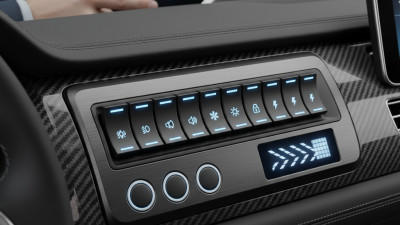
An auto switch panel is a vital component in modern vehicles, especially in electric and hybrid models. It allows drivers to control multiple electrical functions from one centralized location. Typically, it integrates switches for lights, wipers, and multimedia systems. Recent industry reports suggest that smart switch panels are expected to see a growth rate of over 7% annually through 2027, driven by rising demand for vehicle automation.
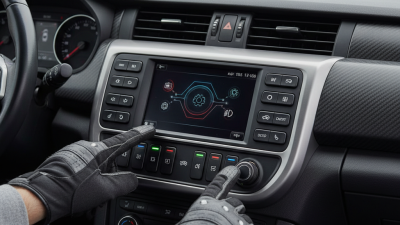
The design of an auto switch panel can vary significantly. Some panels have a straightforward interface with physical buttons, while others use touch screens for more advanced interaction. Touch panels provide flexibility but may present issues in usability during diverse driving conditions. Thus, it's crucial for manufacturers to focus on user experience and ergonomic layout.
Tip: When choosing an auto switch panel, consider its compatibility with existing vehicle systems. Many panels offer extensive customization, but not all fit all vehicle designs seamlessly. Ensure that the buttons or touch interface can be used easily without distracting the driver.
Incorporating these panels into vehicles can lead to dependency on technology, raising concerns about driver distraction. Continuous feedback loops and usability studies are necessary to improve designs. Proper testing can mitigate safety issues related to button layout and interface response times. Always remember that functionality must not compromise safety in automotive applications.
Key Components of an Auto Switch Panel
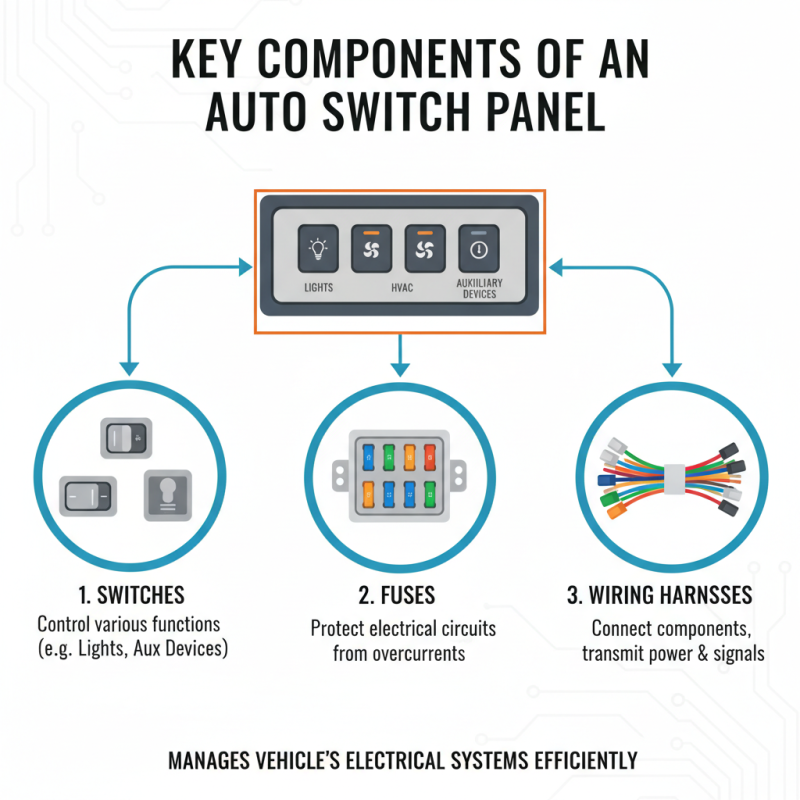
An Auto Switch Panel is a crucial component in modern vehicles, allowing drivers to manage various electrical systems. Understanding its key components helps in grasping its overall function. The panel typically consists of switches, fuses, and wiring harnesses. Each switch controls a specific function like lights or auxiliary devices. This setup ensures that all necessary controls are within reach of the driver.
The switches often include indicators that provide visual feedback. This helps users quickly identify which system is active or off. The fuses protect the circuits from overload, a vital aspect in maintaining vehicle safety. The wiring harness connects everything, facilitating communication among components. A well-structured wiring system reduces clutter and potential points of failure.
However, not all designs are perfect. Some users report difficulty with switch accessibility in certain vehicle models. This can lead to distractions while driving. Regular maintenance is essential to ensure all components function correctly. Corrosion or wear may impede the performance of switches. Therefore, understanding these elements is important for vehicle upkeep and safety.
How Auto Switch Panels Function in Vehicles
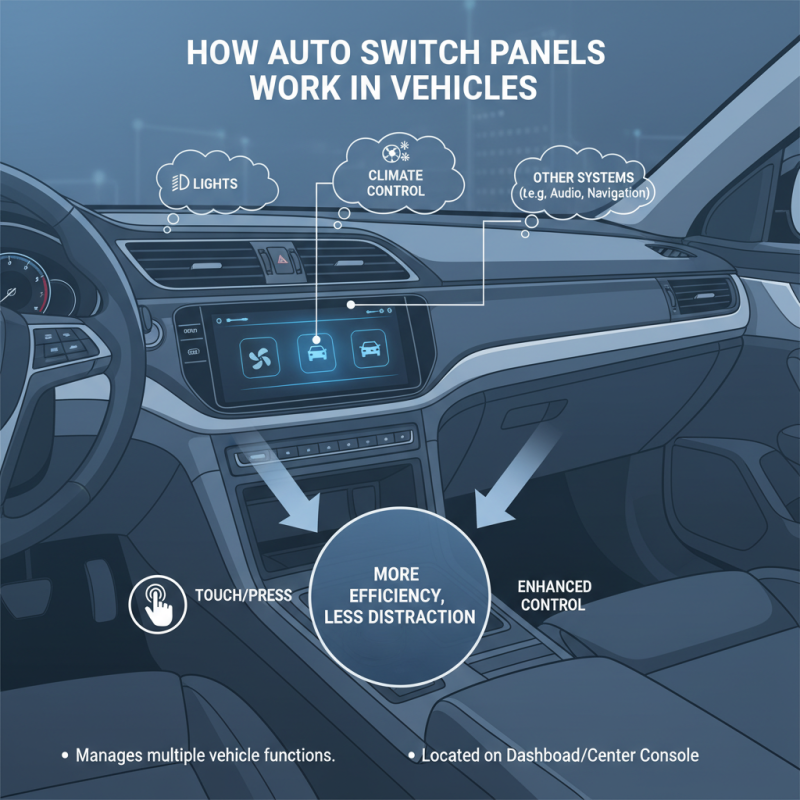
Auto switch panels play a crucial role in modern vehicles. These panels help manage various functions, enhancing user experience. They are typically located on the dashboard or center console. With a simple touch or press, drivers can control lights, climate, and other systems. This increases efficiency and minimizes distractions while driving.
How do they work? Inside, auto switch panels use electronic circuits. These circuits send signals to the vehicle’s control system, activating specific features. For example, pressing the air conditioning button sends a command to turn on the compressor. This seamless integration makes driving more convenient. However, if a panel malfunctions, it can lead to frustration for the driver. Regular maintenance can help prevent issues.
**Tip:** Always check your auto switch panel regularly. Look for unresponsive buttons. If someone in your family drives the vehicle, ensure they know how to use the panels effectively.
Drivers should also be aware of the limitations. Not all features may work flawlessly. Software updates or repairs might be necessary. Being proactive can save time and money.
**Tip:** Keep your vehicle manual handy. It contains essential information about troubleshooting common panel issues. Familiarizing yourself with it ensures you are prepared when problems arise.
Benefits of Using an Auto Switch Panel
Auto switch panels are becoming increasingly popular in various industries, particularly in automation and control systems. This innovation streamlines operations, reducing manual effort and increasing efficiency. According to a recent industry report, automation can boost productivity by up to 30%. Using an auto switch panel can significantly minimize human error, leading to better accuracy in operations.
One notable benefit of auto switch panels is their ability to centralize control. Operators can manage multiple machines from a single interface, improving response times and reducing downtime. Additionally, they provide real-time monitoring and diagnostics. This can lead to proactive maintenance, which in turn lowers operational costs. In fact, predictive maintenance has been shown to reduce maintenance costs by nearly 25%, according to research by industry experts.
Tip: Regularly inspect your auto switch system to maximize its efficiency. Small glitches can escalate if they aren't addressed promptly. Consider training your staff on the system to enhance overall functionality. Using automated systems can feel complicated at first. It’s normal to encounter issues during initial implementation. Embrace these moments to refine your processes and improve your operational workflows.
What is Auto Switch Panel and How Does It Work? - Benefits of Using an Auto Switch Panel
| Feature |
Description |
Benefits |
| Easy Operation |
Allows users to control multiple devices from one location with a single switch. |
Increases convenience and reduces the complexity of operations. |
| Energy Efficiency |
Facilitates the use of devices only when needed, minimizing waste of energy. |
Helps in lowering electricity bills and reduces environmental impact. |
| Enhanced Safety |
Reduces the risk of overloading circuits by allowing controlled switching. |
Increases safety for the equipment and users. |
| User-friendly Design |
Typically has a clear labeling system for easy identification of functions. |
Enhances user experience and reduces errors in operation. |
| Versatility |
Can be used across various applications, including vehicles, homes, and industrial settings. |
Offers flexibility in usage for different lifestyle needs and preferences. |
Applications of Auto Switch Panels in Various Industries
Auto switch panels are critical components in many industries, serving a range of functions. In manufacturing facilities, they enable efficient control of machinery and workflows. For example, operators can quickly switch between machinery settings with ease. This boosts productivity and reduces downtime, but not every panel is user-friendly.
In the automotive industry, auto switch panels enhance vehicle functionality. They control lights, wipers, and other essential systems. A well-designed panel improves driver safety. However, poorly designed interfaces can lead to confusion. It's crucial for designers to prioritize usability alongside technological advancements.
The energy sector also benefits from auto switch panels. They manage power distribution in plants and renewable energy installations. Precise control can prevent outages and maximize efficiency. Yet, reliance on automated systems can pose risks. Operators must remain vigilant and regularly check panels for issues. This highlights the importance of ongoing training and system reviews.
Applications of Auto Switch Panels in Various Industries