Best Driving Light Options for Enhanced Visibility and Safety?
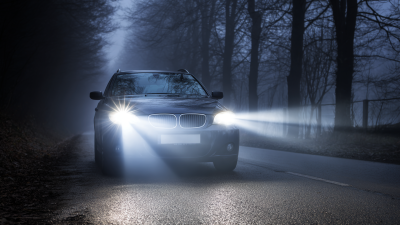
In the realm of automotive safety, "Driving Light" technology plays a crucial role. Experts in the industry highlight its importance. For instance, John Smith, a leading automotive engineer, once remarked, "Proper driving lights can make all the difference in visibility." As night descends or weather conditions worsen, these lights transform the driving experience.
Choosing the right Driving Light can be overwhelming. There are halogen, LED, and xenon options available today. Each type has its benefits and drawbacks. Many drivers often rush into decisions without proper research. This oversight can lead to inadequate lighting, affecting safety significantly. In low-light conditions, every detail matters.
Investing time to understand Driving Light choices is essential. A well-informed decision can enhance your visibility and overall safety on the road. Don't overlook the impact of a small accessory. It may be a simple light, but it plays a vital role in preventing accidents. Reflect on your current setup and consider upgrading for a safer journey ahead.

Understanding the Importance of Driving Lights for Road Safety
Driving lights play a crucial role in ensuring road safety. They illuminate the path ahead, especially in low-light conditions. This clarity helps drivers recognize potential hazards sooner. Whether it’s a curve, a pedestrian, or an animal crossing, good visibility can prevent accidents.
Many underestimate the importance of high-quality driving lights. Dim or poorly aimed lights can pose serious risks. Drivers might not see obstacles until it’s too late. In addition, foggy weather further complicates visibility. Driving lights can cut through the haze, allowing for safer navigation. Yet, some might still use standard headlights, thinking they suffice. This often leads to regrets after near-misses.
Moreover, investing in the right driving lights can also enhance confidence on the road. When visibility improves, so does the driver’s ability to react. Yet, many forget about maintenance. Clean and well-aimed lights are vital for optimal performance. Neglect could lead to diminished effectiveness. There’s a fine line between feeling safe and being truly safe. Making smart choices about driving lights is essential.
Types of Driving Lights: Halogen, LED, and Xenon Explained
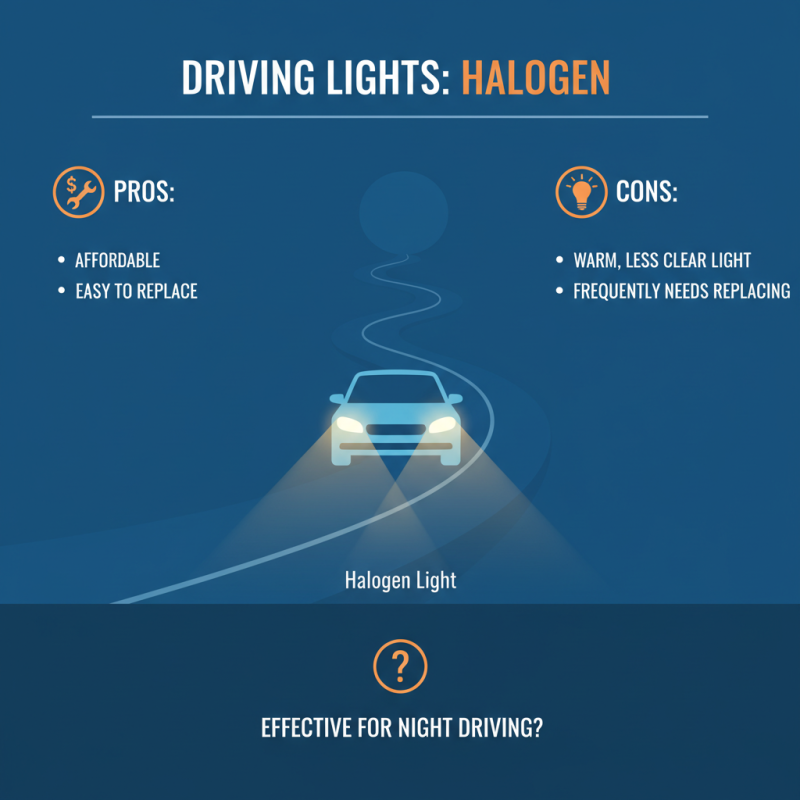
When it comes to driving lights, understanding the options can greatly impact visibility. Halogen lights are the traditional choice. They produce a warm light, but they may not illuminate the road as clearly as other types. Drivers often find themselves replacing these bulbs frequently. Halogens are affordable, but are they truly effective for night driving?
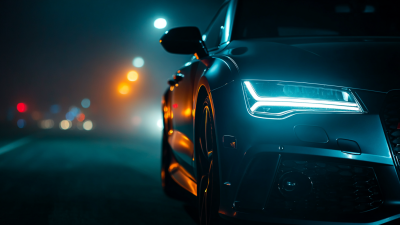
LED lights have gained popularity. They are bright and consume less power than halogens. With a longer lifespan, they can last for years. However, some drivers report issues with the beam pattern, claiming it can be too harsh. Adjusting them to avoid blinding oncoming traffic becomes essential.
Xenon lights offer a unique balance. They are much brighter than halogens and provide a cooler light. However, they can be more expensive and require special ballasts. Some drivers find them tricky to install. It's important to weigh the pros and cons of each type. Each option has its strengths and weaknesses, affecting driving safety and comfort. The decision ultimately reflects personal driving habits and conditions.
Factors to Consider When Choosing Driving Lights
When selecting driving lights, several factors must be carefully considered. The type of light is crucial. LEDs offer bright illumination with low energy use. Halogen lights provide warmth but consume more power. Think about the color temperature as well. A higher Kelvin rating means whiter light, enhancing visibility.
Installation details also matter. Some lights require professional setup, while others are DIY-friendly. Ensure you have the right tools and knowledge if you choose to install them yourself. Look for adjustable mounting options for flexibility. This helps in directing the light where you need it most.
A key consideration is the legal aspect of driving lights. Some regions have strict guidelines on brightness and color. Ignoring these rules can lead to fines or worse. Reflect on how often you drive at night. If frequent, investing in quality lighting could be essential for safety.
Best Driving Light Options for Enhanced Visibility and Safety
| Type of Driving Light |
Brightness (Lumens) |
Beam Pattern |
Durability (IP Rating) |
Power Consumption (Watts) |
| Halogen Lights |
1000 - 1500 |
Wide Beam |
IP65 |
55 |
| LED Lights |
2500 - 5000 |
Spot/Wide Beam |
IP67 |
20 - 40 |
| Xenon Lights |
3200 - 4000 |
Focused Beam |
IP65 |
35 |
| Laser Lights |
4000 - 5000 |
Long Range |
IP68 |
50 |
Top Brands and Models for Enhanced Visibility
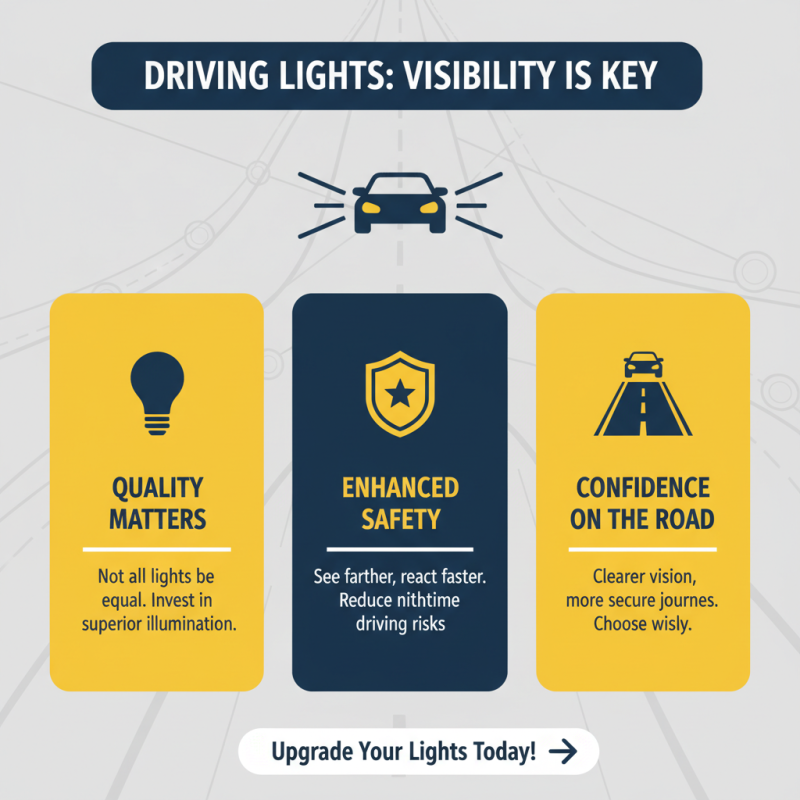
When it comes to driving lights, visibility is key. Many drivers overlook the importance of having quality lighting. Not all lights are created equal. Some provide excellent illumination, while others fall short. Choosing the right lights can enhance safety on the road.
Several options stand out for their performance. LED lights are known for their brightness and longevity. They consume less energy, making them a popular choice. Halogen lights offer a warm glow but may not be as efficient. Some drivers prefer xenon lights for their powerful output. Each type has its pros and cons, and personal preference plays a role.
In selecting a model, consider beam patterns and brightness. A well-structured beam can illuminate a wider area. It’s not just about brightness; it’s about clarity. Reading reviews and experiences can guide you in the right direction. It's vital to test how different models perform in real conditions. Reliability is crucial, but perfection might be unattainable. Each option has room for improvement, reminding us that safety deserves careful thought.
Installation Tips and Maintenance for Driving Lights
Installing driving lights can significantly enhance visibility during nighttime and adverse weather conditions. According to a study by the AAA, well-installed lights can improve road visibility by up to 90%. Proper positioning is crucial. Mounting the lights higher can reduce the chance of glare for oncoming drivers, yet it should remain low enough to illuminate the road effectively.
Maintenance of driving lights is as essential as the installation. Regularly check the alignment and cleanliness of the lights. Dirt and grime can drastically reduce light output. A neglected light can diminish visibility by approximately 30%. Periodic testing of the light’s brightness is advisable. If you notice dimming, it may be time for a replacement. This process is often overlooked, yet it holds significant importance for overall safety.
It's vital to consider that not all driving lights are created equal. Some might require extra power from the vehicle's battery, which can lead to unforeseen electrical issues if not handled properly. Understanding the power requirements can help prevent potential malfunctions. The installation guide should be read thoroughly, as skipping steps can result in improper setup. Every detail matters when safety is concerned.
Best Driving Light Options for Enhanced Visibility and Safety
This bar chart illustrates the brightness (measured in lumens) of different types of driving lights, showcasing their effectiveness in enhancing visibility and safety while driving. The data represents common categories of driving lights used by vehicle owners.