Best Motorcycle Light Options for Night Riding Safety?
Riding a motorcycle at night presents unique challenges. Visibility is often reduced, making it crucial to have effective Motorcycle Light solutions. Many riders underestimate the importance of proper lighting. A good light source can mean the difference between a safe ride and a dangerous situation.
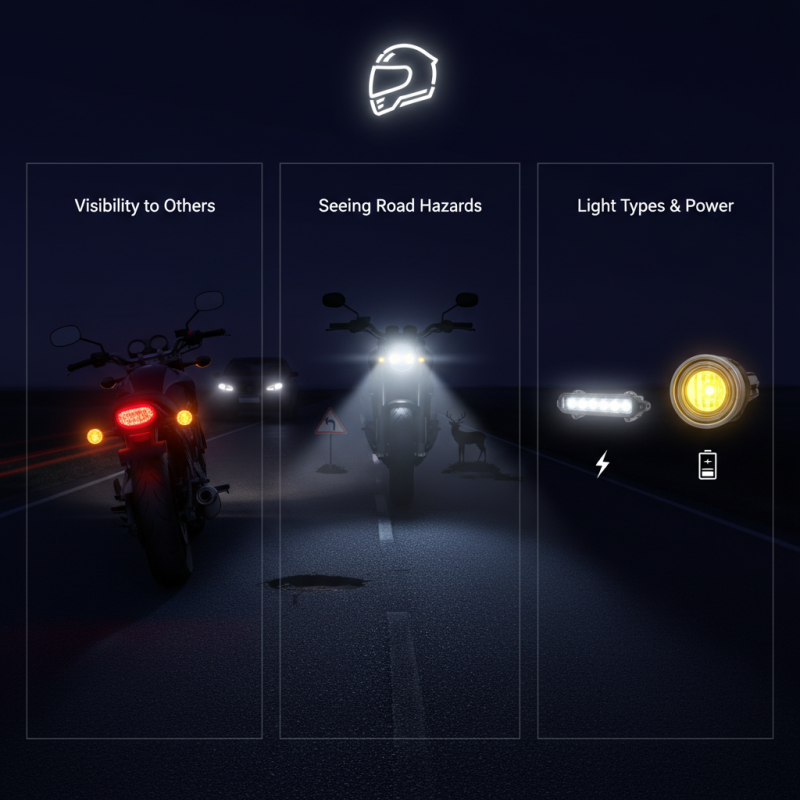
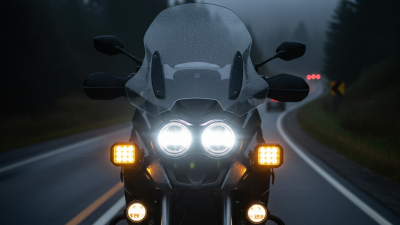
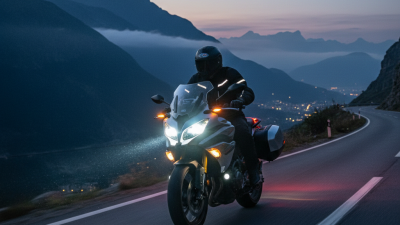
Night riding can be exhilarating, but it also demands attention. Choosing the right Motorcycle Light can enhance your visibility to others. It can help you see potholes, animals, and road signs more clearly. With the right setup, night travel becomes much safer.
Riders need to consider various types of Motorcycle Light. LED lights, for example, provide bright illumination while consuming less power. On the other hand, some riders find themselves lost in the sea of options. Reflecting on your specific needs is essential. What works for one rider may not suit another. Understanding your riding habits will aid you in making a wise choice.
Best Motorcycle Light Options for Night Riding Safety
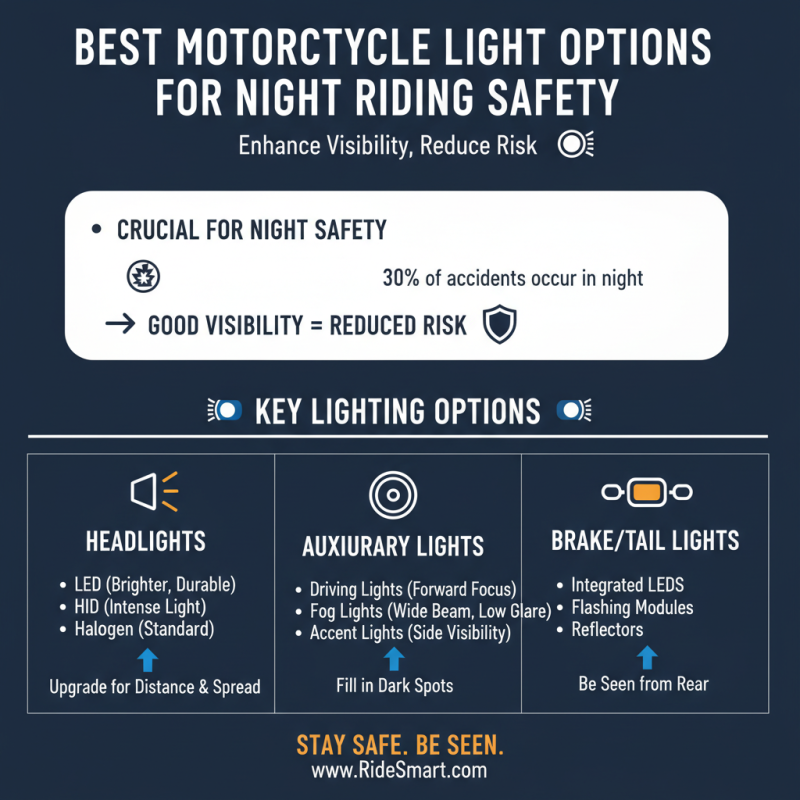
When it comes to night riding safety, choosing the right motorcycle lights is crucial. Statistics reveal that nearly 30% of motorcycle accidents occur at night. Good visibility can significantly reduce this risk. Therefore, understanding your lighting options is essential.
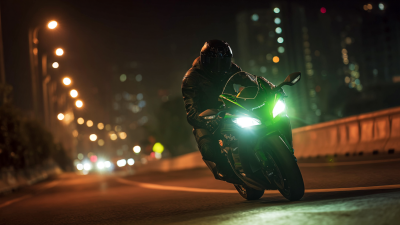
LED lights are popular for their brightness and energy efficiency. These lights generally last longer than traditional bulbs, making them a cost-effective choice. According to recent research, LED lights can provide up to five times more visibility at night. This means better sightlines and safer rides after dark. However, they can also produce glare if not properly aligned, which may impair the vision of oncoming drivers.
Driving without proper illumination is a gamble. Many riders underestimate the importance of adequate lighting. Fog lights and auxiliary lights supplement standard headlights, increasing visibility. And using the right angle is vital; improper setup may lead to blind spots. Moreover, investing in high-quality lights can seem daunting, but neglecting it can have terrible consequences. Always assess your riding conditions and make adjustments as needed.
Understanding the Importance of Visibility for Night Riders
Night riding can be thrilling, but visibility is crucial. Poor lighting can turn a joyous ride into a dangerous situation. Riders often underestimate the importance of being seen by others. A small change can make a big difference in safety.
High-quality lights are essential for nighttime. They illuminate the path and signal your presence to other drivers. Lights should be bright and positioned correctly. A well-placed lamp can reduce blind spots. Riders might choose to add additional lights for enhanced visibility. These extra lights can be a lifesaver during unexpected moments.
Riders should also consider reflective gear. Bright clothing and accessories can help when lights aren’t enough. However, many forget about their own visibility. This oversight can be critical. Regular checks are necessary to ensure everything works correctly. Riders must remain vigilant and proactive about their safety.
Types of Motorcycle Lights: Headlights, Taillights, and Auxiliary Lights
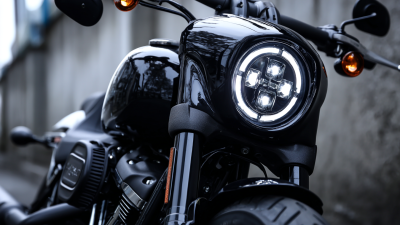
When it comes to night riding safety, choosing the right motorcycle lights is crucial. Headlights are the primary source of illumination. Modern LED headlights can emit up to 3,000 lumens. This brightness helps riders see up to 200 feet ahead. However, many riders overlook the importance of proper headlight positioning. Misaligned lights can create blind spots or cause glare for oncoming traffic.
Taillights are just as significant. They alert other drivers to your presence. A study indicates that motorcyclists have a higher risk of accidents at night. Well-placed taillights reduce this risk by up to 20%. Some riders fail to check their taillights regularly, leading to potentially dangerous situations. Regular maintenance is key.
Auxiliary lights enhance visibility and awareness. They provide extra light on dark roads. Many riders underestimate the effectiveness of these lights. Some reports suggest that adding auxiliary lights can increase visibility by over 30%. Make sure to adjust them correctly to avoid blinding oncoming traffic.
Tip: Test your lights before each ride. This simple step can save lives. Stay visible and ensure your lights are bright enough. Regular inspections are essential for safety. Riding at night is risky, but with the right lighting, it can be much safer.
Best Motorcycle Light Options for Night Riding Safety
| Light Type |
Purpose |
Brightness (Lumens) |
Typical Lifespan (Hours) |
Water Resistance |
| Headlights |
Primary illumination for riding |
1000 - 3000 |
2000 - 5000 |
IP65 or higher |
| Taillights |
Visibility to other drivers |
200 - 500 |
30000 |
IP67 or higher |
| Auxiliary Lights |
Enhanced visibility and peripheral lighting |
500 - 2000 |
10000 - 20000 |
IP65 or higher |
LED vs. Halogen: Analyzing Brightness and Energy Efficiency
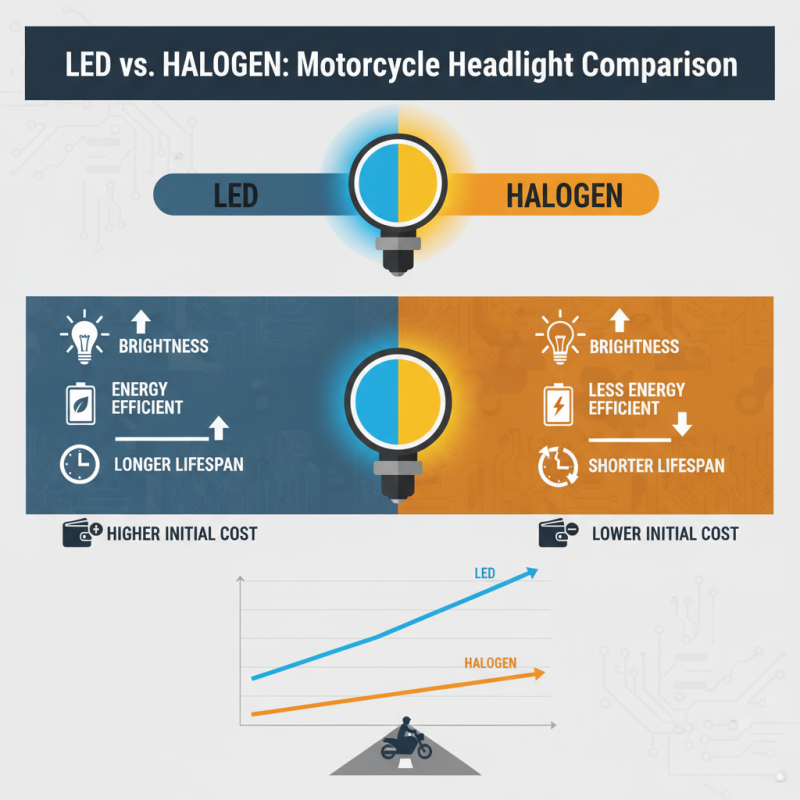
When it comes to motorcycle lights, LED and halogen options have their distinct qualities. LEDs are known for their brightness and energy efficiency. They last longer and consume less power compared to halogen bulbs. This makes them ideal for night riding. You can often see further down the road, which enhances safety significantly. However, the upfront cost of LED lights can be higher.
Halogen lights can provide intense brightness as well, but they tend to draw more power. They are cheaper to replace, but they burn out faster. Some riders still prefer halogens for their immediate light output. However, you may find yourself replacing them more frequently, which adds to long-term costs.
Tip: If you're navigating through dark roads often, consider LED lights for maximized brightness. They truly shine in the long run. Install additional lights to widen your field of vision. Remember, visibility is key to safety.
In your decision, reflect on your riding habits and the areas you frequent. Think about the balance between initial cost and long-term benefits. Getting the right lights is crucial for safe night riding.
Legal Requirements for Motorcycle Lighting: What You Need to Know
When it comes to motorcycle lighting, understanding legal requirements is essential for safe night riding. Each region may have its specific regulations regarding the types and colors of lights allowed on motorcycles. Many areas mandate that motorcycles must have certain front and rear lights operational at all times. Failing to comply with these rules can lead to penalties or accidents.
Besides basic requirements, consider adding auxiliary lights. These can enhance visibility during nighttime rides. However, it's crucial to check local laws about brightness and placement to avoid legal issues. A well-lit motorcycle attracts more attention, but too bright lights can dazzle other drivers, creating dangerous situations.
Riding at night can be risky, especially in poorly lit areas. Having functioning lights is not just about compliance; it’s about safety. Riders should regularly inspect their lighting systems. Many overlook this crucial aspect until it’s too late. A simple check can prevent accidents and inspire confidence on the road.
Conclusion
Riding a motorcycle at night can be exhilarating, but it also poses unique visibility challenges. The article discusses the importance of effective motorcycle light options that enhance safety for night riders. It details different types of motorcycle lights, including headlights, taillights, and auxiliary lights, emphasizing their roles in improving visibility and ensuring that riders are seen by others on the road.
The discussion also covers the comparison of LED and halogen lights in terms of brightness and energy efficiency, helping riders make informed choices. Additionally, the article outlines the essential legal requirements for motorcycle lighting, ensuring riders are compliant. In 2023, the selection of the best motorcycle light systems remains critical for safe night riding, with a focus on quality and performance to enhance the overall riding experience.