10 Best Off Road Lights for Ultimate Adventure Visibility?
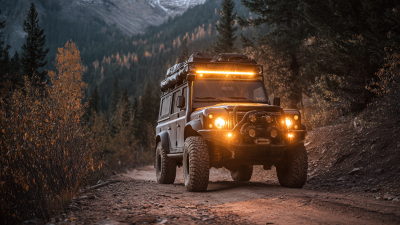
When heading into the wilderness, visibility is crucial. Off road lights enhance your adventure experience, illuminating the darkest paths. They provide safety and comfort while driving on rugged terrain. Whether you are navigating through dense forests or rocky trails, the right off road lights can make all the difference.
Choosing the best off road lights can feel overwhelming. There are many options available, each with different features. Some lights offer brilliant brightness, while others focus on durability. You might wonder, are they worth the investment? In harsh conditions, the quality of your lights could determine your safety. Poor choices can lead to regrets during your adventures.
Off road lights come in various styles, including LED and halogen. Each type shines in specific environments. For instance, LED lights are energy-efficient and last longer. However, they can be pricier. On the other hand, halogen lights are more affordable but may require frequent replacements. Reflecting on your needs and budget is essential for long-term satisfaction.

The Importance of Off-Road Lighting for Safety and Visibility
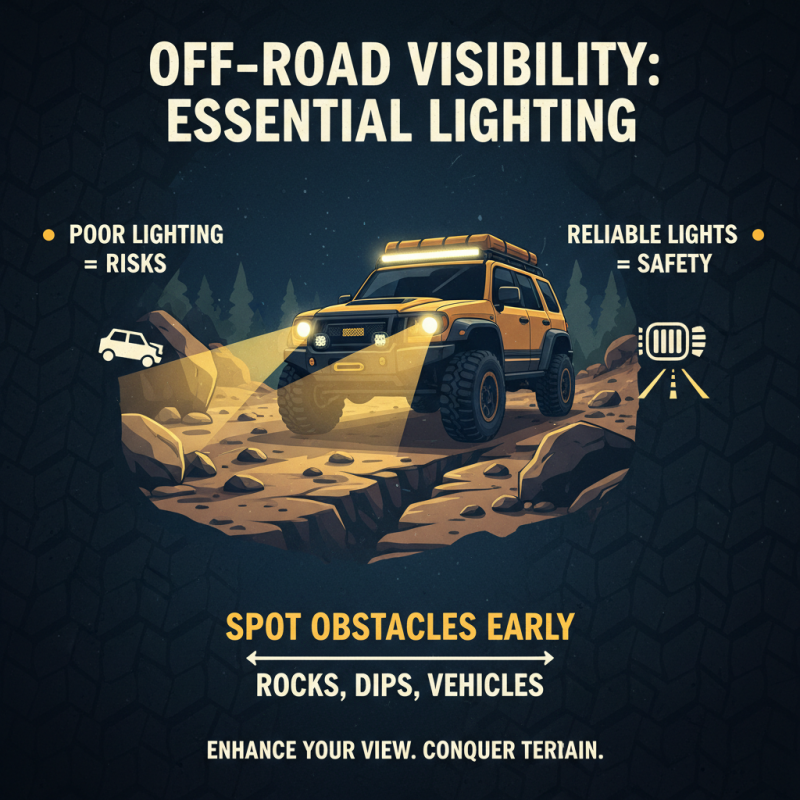
When embarking on off-road adventures, visibility is essential. Poor lighting can lead to accidents. It’s crucial to have reliable off-road lights. They enhance your view of the terrain. This helps you spot obstacles early. Whether it’s rocks, dips, or other vehicles, good lighting makes all the difference.
Tips: Choose lights with adjustable beams. This allows you to direct light where it's needed most. Also, consider the color temperature. A brighter light can help you see better in bad weather.
Investing in off-road lighting isn't just a matter of convenience. It's a safety measure. Many off-roaders underestimate the need for proper lighting. It’s easy to overlook this until it's too late. Ensure that your lights are mounted correctly. Misaligned lights can cause glare. This affects not just you but also other drivers. Pay attention to the brightness and the spread of the light. Too much brightness can blind others, which isn't safe.
Remember, off-road journeys can be rewarding and risky. Equip yourself with good lights to enjoy the ride. A little preparation goes a long way in ensuring safety.
Types of Off-Road Lights: LED, Halogen, and HID Comparisons
When exploring off-road terrains, selecting the right lights is crucial.
LED, halogen, and HID
are the most common types. Each has its own strengths and weaknesses.
LED lights are energy-efficient and long-lasting. They produce bright white light, illuminating the path ahead with clarity. However, if they don’t fit properly, they can cause annoying glare.
Halogen lights have a warm glow and are often cheaper. They penetrate fog better than LEDs, but they consume more energy. They also have a shorter lifespan. Many people underestimate this.
HID lights are extremely bright, offering impressive range. Yet, they require a ballast to operate, which can add complexity. Some users face challenges with installation.
Each type has pros and cons that can impact adventure visibility. Brightness is critical, but don’t forget about durability. The terrain can be harsh, and equipment often suffers wear and tear. Deciding the best option requires thought. Whatever choice you make, consider the environment you’re driving through. It’s essential to strike the right balance between light output and reliability. Reflect on your experiences to guide your future adventures.
Key Features to Consider When Choosing Off-Road Lights
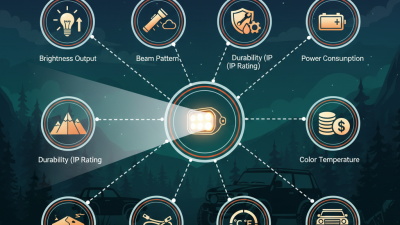
When choosing off-road lights, several key features should be at the forefront of your decision. Brightness is crucial; it’s measured in lumens. High-lumen lights will illuminate your path, ensuring safety during night adventures. Beam patterns also matter. Spot beams are great for long distances, while flood beams cover wider areas. The right combination can enhance visibility in various terrains.
Durability is another essential aspect. Off-road lights must withstand harsh conditions. Look for weather-resistant housing made of robust materials. This ensures your lights won’t fail in rain, mud, or dust. Consider ease of installation too. Complicated setups can lead to frustration. Simple mounting systems save time and energy, allowing you to hit the road sooner.
Heat management is often overlooked yet vital. Overheating can damage lights, reducing their lifespan. Ensure the lights come with proper cooling features. Reflection is necessary in your choice as well. Not all lights perform well in every environment. Experimenting with different styles and types may lead you to find the perfect fit for your adventure needs.
10 Best Off Road Lights for Ultimate Adventure Visibility - Key Features to Consider When Choosing Off-Road Lights
| Type |
Brightness (Lumens) |
Beam Pattern |
Waterproof Rating |
Installation Type |
Price Range |
| LED Light Bar |
18000 |
Flood/Spot |
IP68 |
Mount Bracket |
$100 - $150 |
| Halogen Fog Lights |
3000 |
Diffused |
IP67 |
Flush Mount |
$50 - $80 |
| Strobe Light |
1500 |
Strobe Pattern |
IP65 |
Surface Mount |
$40 - $70 |
| LED Spotlights |
5000 |
Spot |
IP67 |
Bolt-on |
$60 - $100 |
| Rock Lights |
1200 |
Illuminated |
IP68 |
Underbody Mount |
$80 - $120 |
Top 10 Off-Road Lights: Performance Metrics and User Reviews
When heading off the beaten path, visibility is crucial.
Off-road lights provide that extra illumination for tricky terrains. Performance metrics speak volumes.
Brightness levels, beam distance, and durability often determine the best lights.
User reviews also shed light on real-world experiences. Many users appreciate lights that offer a wide beam pattern.
This feature helps in spotting obstacles ahead, whether at dusk or dawn.
However, sometimes there’s a trade-off. Certain lights may be highly rated but could lack longevity.
Users report heat issues on intense trails, affecting light output. Weight matters too; some lights are surprisingly heavy.
This can complicate mounting and affect vehicle balance. Customer feedback is essential for understanding these aspects.
It’s not just about specs; knowing how a product performs in diverse conditions is vital.
Look for lights that are not only bright but also weather-resistant.
Rain or mud can spoil a good adventure.
Some lights perform well in tests but falter under real conditions.
Consistency in performance is key. Pay attention to user reviews detailing their journeys.
Often, they share invaluable insights about durability and practicality that numbers alone can’t convey.
Installation and Maintenance Tips for Optimal Off-Road Lighting
When installing off-road lights, careful planning is key. Measure the intended installation area before choosing lights. This ensures you select the right size and brightness for your vehicle. Use sturdy mounts to secure the lights properly. A loose fitting can cause flickering or damage during tough terrains.
Maintenance is crucial for optimal performance. Regularly check connections and wiring for wear and tear. A visual inspection can reveal potential issues early. Keep the lenses clean to maximize clarity. Mud and dirt can obscure brightness, making it hard to see. Sometimes lights may fail unexpectedly, requiring quick troubleshooting. Testing the lights periodically helps identify problems.
Consider the angle of the lights. Improper alignment can diminish visibility. Adjusting lighting angles can make a significant difference in off-road conditions. Experiment with different settings to see what works best for you. Remember, it’s a learning process. Each adventure brings new challenges and insights into how to improve your setup.