2026 Best Tripod Work Light Options for Every Need?
When it comes to versatile lighting solutions, a tripod work light stands out. Whether for construction sites, outdoor events, or home projects, these lights provide flexibility and brightness. The best tripod work lights of 2026 cater to various needs, ensuring adequate illumination wherever you are.
Choosing the right tripod work light can be overwhelming. Many options flood the market, each boasting unique features. Yet, not all lights are created equal. Some may lack durability or the desired brightness. This creates a challenge for users seeking reliable options. Evaluating these tools based on real experiences is crucial for informed decisions.
Investing in a high-quality tripod work light is essential for professional and amateur users alike. A great light enhances visibility and improves safety in dark or dim environments. With so many choices, it's vital to reflect on specific requirements. Finding a balance between performance and price will lead to a more satisfying experience.
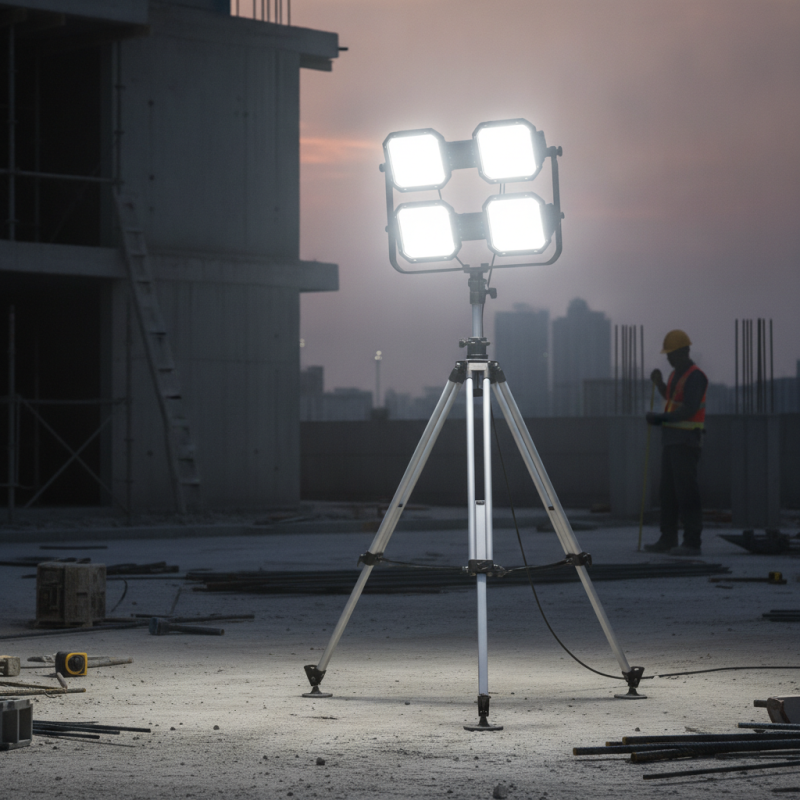
Understanding Tripod Work Lights: Key Features and Benefits
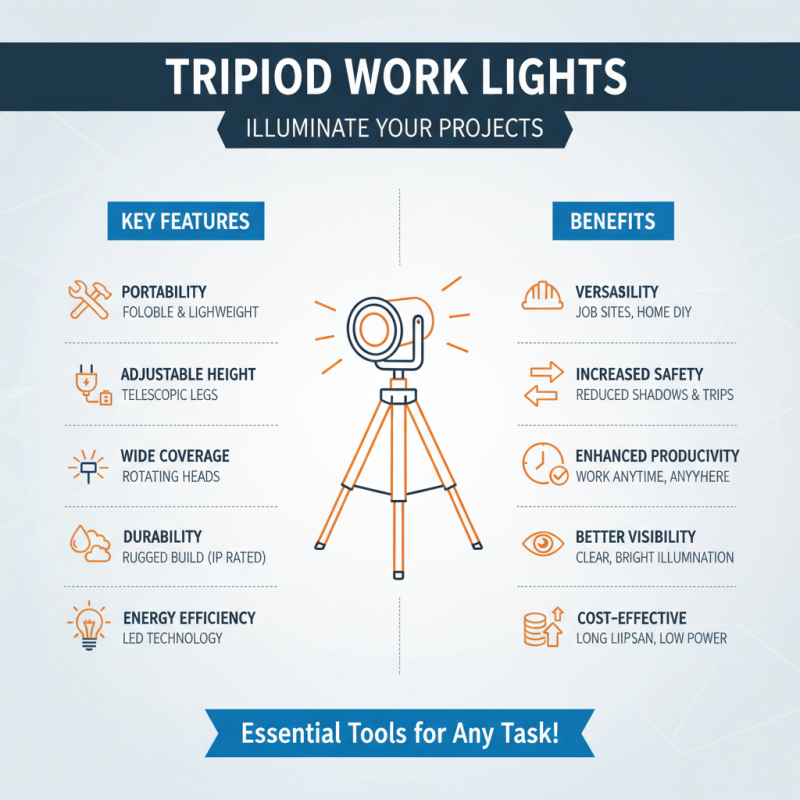
Tripod work lights are essential tools for various tasks, from construction sites to home renovations. They offer portability and versatility, enabling users to illuminate wide areas efficiently. Understanding their key features helps in selecting the right model for your needs.
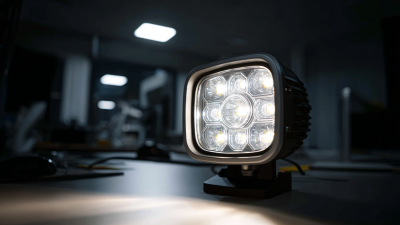
Brightness is a crucial factor. Look for adjustable settings to tailor light intensity. This feature lets you adapt to different environments. Energy efficiency also matters. LED options consume less power and have longer lifespans. Consider the height and stability of the tripod. A solid base prevents tipping, especially on uneven surfaces.
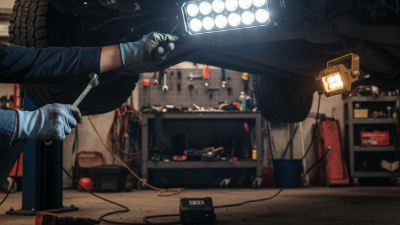
When using tripod work lights, plan your workspace layout. Proper positioning can minimize shadows and maximize visibility. Adjusting the light angle may reveal overlooked details. Always check the cable length for reach and safety. A tangled cord might create hazards, so keep it tidy. Regular maintenance is key too. Clean the lens and check for wear to ensure optimal performance.
Top 2026 Tripod Work Light Brands and Models to Consider
When selecting a tripod work light, consider key features. Brightness measures in lumens can vary widely. Most models emit between 1,500 to 5,000 lumens, making it essential to find one that suits your unique needs.
In a recent industry report, it was found that over 70% of users prefer adjustable height features. This allows flexibility, especially in uneven work areas. Look for lights that can reach a height of 6 feet or more. Stability is also crucial; a wider base can prevent tipping in high winds.
Tip: Always consider energy efficiency. LED lights consume less power and last longer, reducing long-term costs. Additionally, portability is vital for those who move between job sites frequently. Choose lightweight models with easy setups to save time and effort.
Tip: Assessing durability is vital. Many work lights are exposed to harsh conditions. Models made with impact-resistant materials can withstand drops and rough handling. Without proper durability, lights may need replacing sooner than expected.
Comparative Analysis: LED vs. Halogen Tripod Work Lights
When choosing between LED and halogen tripod work lights, several factors come into play.
LED lights offer significant advantages in energy efficiency. They consume less power while providing high brightness.
This feature makes them ideal for prolonged use. Additionally, LEDs have a longer lifespan. They can last up to 50,000 hours, reducing the need for frequent replacements.
They are also cooler to the touch, minimizing the risk of burns during operation.
Halogen lights, on the other hand, produce a warm, bright light that is great for certain tasks. They provide excellent color rendering, making colors appear vibrant and accurate.
However, they generate heat, which can be a safety concern. Their lifespan is shorter compared to LED options, often lasting around 2,000 hours.
Users should weigh these factors carefully, as halogen lights can be less energy-efficient.
It's important to consider the specific needs of your projects. For outdoor tasks in cool conditions, halogen may be preferable for warmth.
In contrast, for extensive indoor work, LED lights' low energy consumption and extended lifespan may be more practical.
Decisions should take into account the environment, duration of use, and safety factors. Reflecting on these variables can help you make an informed choice.
Choosing the Right Tripod Work Light for Specific Environments
Choosing the right tripod work light can greatly enhance your project efficiency. Different environments require different lighting solutions. For outdoor projects, consider lights with durable weatherproof features. LED options are often preferred due to their longevity and energy efficiency. Brightness levels are crucial; too dim, and you miss crucial details. Too bright, and you can lose focus on finer elements.
In indoor settings, you might need adjustable heights and flexible positioning. Some areas may have limited space, so a compact design can be beneficial. Think about the color temperature as well; warmer lights create a comfortable atmosphere, while cooler lights can aid detail-oriented tasks. It’s essential to assess the situation carefully.
Reflections can impact visibility, especially in glossy settings. You may find that the light casts harsh shadows. Experimenting with light placement can help. It’s okay to make mistakes in the process. Understanding the nuances of your work environment can guide your choice effectively. Recognizing these factors helps ensure that your investment in lighting enhances productivity.
Maintenance Tips for Prolonging the Life of Your Tripod Work Light
Proper maintenance is crucial to prolonging the life of your tripod work light. According to reports from the Lighting Industry Association, well-maintained lights can last up to 50% longer than those that aren't cared for. Regularly check all components, including the bulb and power cords, for any signs of wear. A small tear in a cord can lead to larger issues down the line, risking not only the light but also safety.
Cleaning is another vital aspect. Dust and dirt can accumulate and hinder performance. Industry standards recommend cleaning the light after every few uses. Use a soft cloth or compressed air to remove debris. Be cautious with liquids; moisture can damage internal components. Regular cleaning helps maintain brightness and performance, ensuring your light operates as intended.
Lastly, consider storage practices. Store your tripod work light in a cool, dry place to avoid temperature fluctuations. Extreme temperatures can affect both the battery life and bulb performance. Remember, even high-quality work lights can suffer if not handled properly. Reflect on your usage and find areas for improvement; even small adjustments can make a significant difference in longevity.
2026 Best Tripod Work Light Options for Every Need
| Model |
Brightness (Lumens) |
Battery Life |
Weight (lbs) |
Price ($) |
Maintenance Tips |
| Model A |
2500 |
8 hours |
4.5 |
120 |
Keep clean, avoid water exposure |
| Model B |
3000 |
10 hours |
5.0 |
150 |
Store in dry place, change bulbs regularly |
| Model C |
1800 |
6 hours |
3.5 |
80 |
Check for loose wires, keep cool |
| Model D |
3500 |
12 hours |
4.8 |
200 |
Use protective cover, avoid extreme heat |