How to Choose the Best Motorcycle Light for Safety?
Choosing the right Motorcycle Light is crucial for rider safety. A well-placed, high-quality light can enhance visibility dramatically. According to a report by the National Highway Traffic Safety Administration, proper lighting can reduce motorcycle accidents by up to 30%. This statistic highlights the importance of effective lighting solutions.
Expert Richard Thompson, a leading figure in the motorcycle safety industry, once stated, "The right Motorcycle Light can be the difference between a safe ride and a dangerous situation." This emphasizes the need for riders to invest in reliable lights. The market is flooded with options, and not all lights offer the same level of safety or performance.
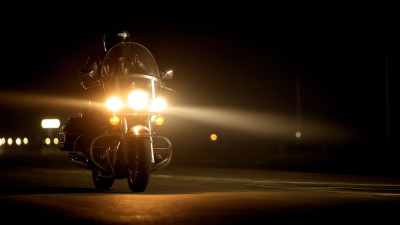
Riders often overlook critical factors when selecting Motorcycle Lights. Brightness, beam pattern, and build quality are vital for nighttime visibility. However, too many rush this decision. A poorly chosen light can give a false sense of security. Reflecting on your choices is essential for enhancing safety on the road.
Understanding Motorcycle Lighting Types for Enhanced Safety
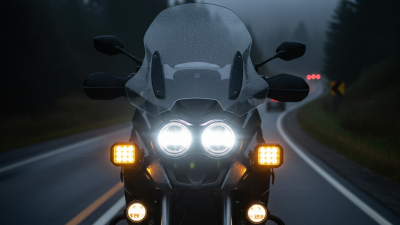
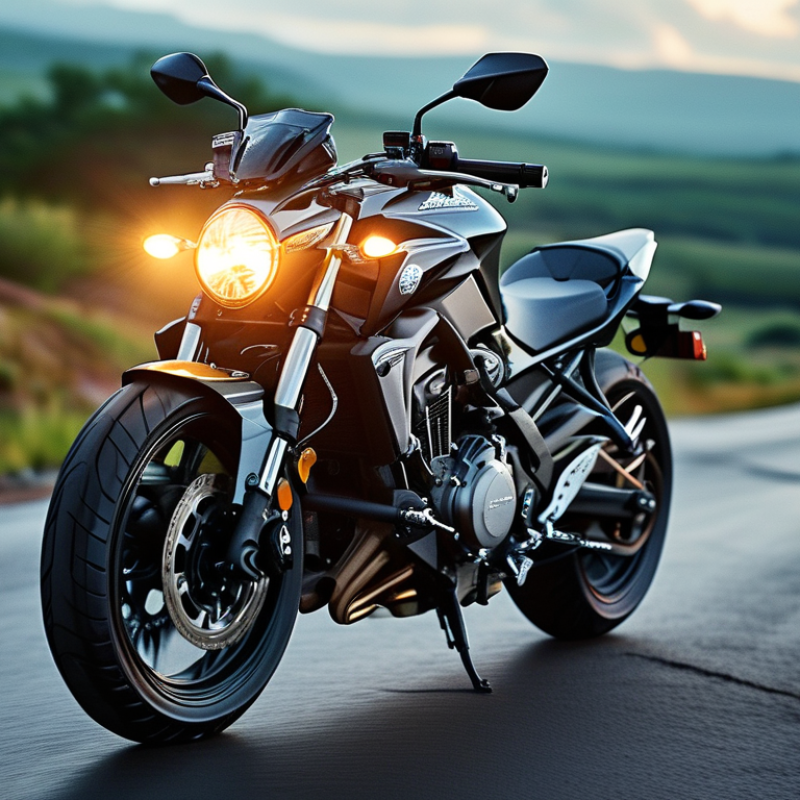
When it comes to motorcycle safety, lighting is crucial. Understanding different motorcycle lighting types can greatly enhance visibility and safety on the road. Headlights are typically the primary source of illumination. They come in various styles, such as halogen, LED, and HID. Each type has unique benefits and drawbacks that can affect your riding experience.
Fog lights are another essential feature. They illuminate the road at lower heights, minimizing glare in foggy conditions. Conversely, brake lights act as a signal to other drivers, ensuring they know when you're slowing down. It's vital to choose lighting that fits your riding style and typical weather conditions.
Tips for enhancing safety with motorcycle lights include regularly checking and replacing bulbs. A burnt-out light can be a serious risk. Also, ensure your lights are properly aimed. Misaligned lights can create blind spots. Consider installing additional lights for added visibility, especially when riding at night. Inadequate lighting is a common oversight. Reflect on your setup; small changes can lead to significant improvements in safety.
How to Choose the Best Motorcycle Light for Safety?
| Lighting Type |
Brightness (Lumens) |
Beam Distance (Meters) |
Power Source |
Durability Rating |
Key Advantages |
| LED Headlight |
1000 - 3000 |
100 - 200 |
12V Battery |
IP67 |
Energy Efficient, Long Lifespan |
| Halogen Headlight |
600 - 1000 |
60 - 100 |
12V Battery |
IP65 |
Affordable, Simple Installation |
| HID Headlight |
3000 - 4000 |
200 - 300 |
12V Battery |
IP68 |
High Intensity, Longer Range |
| Fog Lights |
300 - 800 |
30 - 50 |
12V Battery |
IP65 |
Increased Visibility in Bad Weather |
| Turn Signal Lights |
50 - 200 |
20 - 30 |
12V Battery |
N/A |
Clear Signal to Other Drivers |
Evaluating Brightness and Visibility in Motorcycle Lights
Choosing the right motorcycle light is crucial for safety on the road. When evaluating brightness, consider lumens as a measure of light output. A typical motorcycle headlight emits around 1,200 to 1,800 lumens. Recent studies show that higher lumen counts significantly improve visibility, particularly in low-light conditions. Aim for lights that can provide at least 2,000 lumens for enhanced safety.
Visibility is affected not just by brightness but also by beam patterns. A well-distributed beam can illuminate both the road and roadside obstacles. Research indicates that lights with a wider beam angle are preferable. An angle of 30 degrees or greater ensures better peripheral visibility. The color temperature of the light is another factor. Lights between 5,000K to 6,500K offer a natural daylight effect, improving contrast and enhancing reaction times.
Tips: Always test your lights in conditions similar to your riding environment. Don’t overlook the importance of maintenance; dirty lenses can reduce brightness significantly. Remember, even the best lights won't guarantee safety without responsible riding practices. Be aware of their limitations and adjust your riding decisions accordingly. Regularly assess how well you can see and be seen during rides.
Assessing Mounting Options for Optimal Light Positioning
When selecting motorcycle lights, positioning is crucial for safety. Proper mounting can significantly improve visibility. The light's height and angle impact how effectively it illuminates the road. Low-mounted lights may create shadows, while high-mounted ones can blind oncoming traffic. This balance is essential to achieve.
Consider the mounting options available. Handlebar mounts provide easy reach and visibility. However, they might not be ideal in wet conditions. Fork-mounted lights can shine downwards, reducing glare for other drivers. Their stability in various terrains is another advantage. A reflective surface can help amplify light output.
It's important to assess your riding style and environment. Riders in urban areas may need brighter lights for visibility. But those in rural settings might require a different focus. Regularly testing light angles and brightness can lead to improvements. Additionally, always reflect on your past experiences with light placement to find the best solutions.
Choosing Between LED and Halogen Motorcycle Lights
When choosing motorcycle lights, the debate between LED and halogen lighting is significant. A study from the National Highway Traffic Safety Administration indicates that proper lighting reduces crash risk by up to 30%. LED lights are becoming the preferred choice among motorcyclists. They offer bright illumination and energy efficiency. In fact, LED lights consume up to 80% less power compared to halogen bulbs. This not only spares energy but also enhances battery lifespan.
However, halogen lights still hold their ground. Their initial cost is lower and they produce a warm light that some riders prefer. Yet, halogen bulbs typically last only about 500-1,000 hours, while LED lights can last 25,000 hours or more. This means riders may need to replace halogen bulbs multiple times, leading to higher long-term costs.
While LEDs excel in performance, some riders report challenges with glare. A properly aimed LED light can mitigate this issue. It's crucial to ensure lights are compliant with safety standards to avoid potential hazards. It is essential to weigh the benefits and drawbacks of each option before making a decision.
Safety Features to Look for in Motorcycle Lighting Solutions
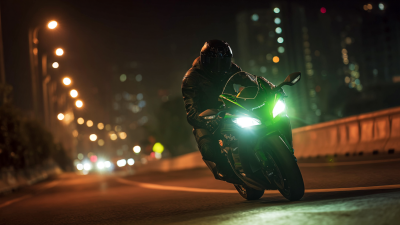
When choosing motorcycle lights, safety features are crucial. Brightness plays a significant role in visibility. Look for lights that offer at least 1,000 lumens. This ensures that you can see and be seen even in low light. Additionally, opt for LED lights. They conserve energy and provide better illumination than traditional bulbs. Their longevity also reduces the frequency of replacements.
Another important aspect is beam pattern. A good motorcycle light will project a wide and balanced beam. This allows you to see the road and its edges clearly. Adjustable angles can further enhance this feature. Consider lights that offer different settings for various conditions, such as fog or heavy rain.
However, not all lights come with reliable waterproofing. Poorly sealed units may fail during wet rides. Check for an IP rating, indicating how well the lights resist water. Lastly, reflectors enhance your visibility in traffic. Motorcycle lights should incorporate high-quality reflectors for added safety. Assessing these features ensures a well-informed, safe choice for your rides.
How to Choose the Best Motorcycle Light for Safety?