How to Choose the Best Motorcycle Lights for Safety and Visibility
In the world of motorcycling, safety and visibility are paramount. According to a report by the National Highway Traffic Safety Administration (NHTSA), nearly 25% of motorcycle accidents occur due to inadequate lighting conditions. Therefore, choosing the best motorcycle lights is not simply a matter of aesthetic appeal but a crucial factor that can determine a rider's safety on the road. A well-lit motorcycle significantly enhances a rider's visibility to other motorists, especially in low-light conditions, making it essential for every rider to invest in quality motorcycle lights.
Industry expert Dr. Steven Radcliffe, a renowned safety analyst and author of "Rider Safety Essentials," emphasizes the importance of proper lighting: "The right motorcycle light can dramatically reduce the risk of accidents, improving both visibility and awareness. Riders need to prioritize lighting configurations that can be adjusted to suit various riding conditions." This highlights the necessity of selecting motorcycle lights that not only provide illumination but also adapt to the unique challenges posed by different environments.
As motorcyclists navigate through diverse terrains and varying weather conditions, understanding the features and technologies available in motorcycle lights becomes vital. From LED to halogen options, the right choice can enhance not just visibility but overall safety on the road. Therefore, it is essential for riders to be well-informed and select motorcycle lights that best meet their needs, ensuring a safer riding experience.
Understanding the Importance of Motorcycle Lighting for Safety
Motorcycle lighting is a critical component of rider safety and visibility. According to statistics from the National Highway Traffic Safety Administration (NHTSA), approximately 25% of motorcycle accidents occur due to inadequate lighting conditions. Proper lighting not only enhances the visibility of the rider to other drivers but also improves the rider's ability to see the road, obstacles, and hazards clearly. With dusk and nighttime riding being particularly dangerous, ensuring that your motorcycle has optimal lighting can greatly reduce the risk of accidents.
When selecting motorcycle lights, consider factors like brightness, beam pattern, and durability. Studies indicate that riders using high-quality LED lights experience a 30% increase in visibility compared to traditional halogen bulbs. It is also essential to choose lights that provide a wide beam angle to illuminate peripheral areas and minimize blind spots. Additionally, investing in durable, weather-resistant lights can ensure consistent performance in various weather conditions.
Tips:
- Always opt for lights with a minimum of 1000 lumens for high visibility during night rides.
- Regularly inspect lights for functionality and replace any bulbs that show signs of dimming or failure.
- Consider auxiliary lights for increased visibility, especially in urban settings where multiple light sources may confuse drivers about your position.
Types of Motorcycle Lights and Their Functions
When selecting motorcycle lights, understanding the various types and their functions is crucial for enhancing both safety and visibility on the road. The most common types of motorcycle lights include headlights, brake lights, turn signals, and auxiliary lights.
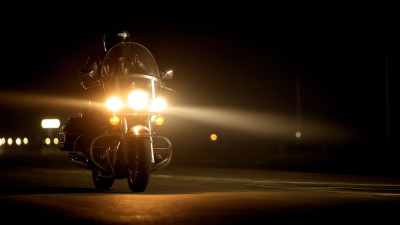
Headlights are essential for illuminating the road ahead, especially during nighttime or in low-visibility conditions. They come in various designs, including halogen and LED options, with LED lights providing brighter illumination and longer lifespan.
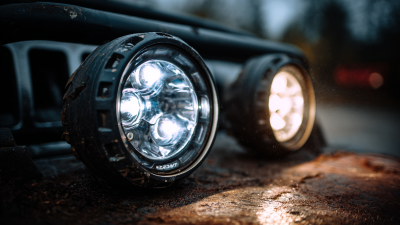
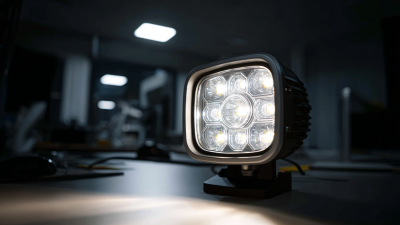
Brake lights serve a critical function by alerting drivers behind the motorcyclist when they are slowing down. This helps prevent rear-end collisions, particularly in traffic. Additionally, turn signals are vital for communicating lane changes or turns, ensuring that other road users are aware of the motorcyclist's intentions. Some riders also opt for auxiliary lights or fog lights, which can improve visibility in adverse weather conditions. These lights can extend the range of visibility beyond what standard headlights offer, making it easier for riders to navigate through fog, rain, or darkness.
By understanding these different types of lights and their functions, motorcyclists can make informed choices that enhance their safety and increase their visibility to other road users, ultimately contributing to a safer riding experience.
Key Specifications to Consider for Optimal Visibility
When selecting motorcycle lights, it’s crucial to focus on key specifications that enhance both safety and visibility. One of the most important factors is brightness, typically measured in lumens. According to the National Highway Traffic Safety Administration (NHTSA), motorcycle riders who use bright, well-lit headlights can reduce the risk of being involved in a crash by almost 30%. It’s generally recommended to choose lights that provide at least 1,000 lumens for enhanced visibility during both day and night riding.
Another essential specification to consider is beam pattern. A well-defined beam can significantly improve your field of vision on the road. Research indicates that a focused beam pattern can illuminate a wider area without causing excess glare for oncoming traffic. Selecting lights with adjustable beam settings allows riders to adapt their visibility based on changing environmental conditions, ensuring optimal performance whether riding in fog or rain.
Tips: When choosing motorcycle lights, look for options that include a feature for low and high beam settings, allowing you to adjust your visibility as needed. Additionally, consider LED lights, as they offer longer lifespan and greater energy efficiency, consuming up to 80% less power than traditional halogen bulbs. Finally, always ensure that your lights are compliant with local regulations to avoid any potential issues while riding.
Regulatory Standards for Motorcycle Lighting: What You Need to Know
When choosing motorcycle lights, it is essential to understand the regulatory standards that govern their use. Different countries have specific requirements regarding the brightness, color, and installation of lights on motorcycles. Ensuring that your lights meet these standards can significantly enhance safety by increasing visibility to other road users. For instance, many regulations dictate that headlights must emit a white or yellow light and must be mounted at a certain height to ensure they are effective while not blinding oncoming drivers.
Additionally, tail lights and brake lights must also comply with regulatory specifications. They are often required to be red in color, and their brightness must be adequate enough to be noticeable from a distance. Some jurisdictions also have specific requirements for turn signals, which must be clearly visible from both the front and rear of the motorcycle. Awareness of these regulatory standards not only helps in avoiding fines or penalties but also plays a critical role in maintaining safety on the road. By adhering to these guidelines, motorcyclists can ensure their bikes are equipped with lighting that maximizes both visibility and safety.
How to Choose the Best Motorcycle Lights for Safety and Visibility - Regulatory Standards for Motorcycle Lighting: What You Need to Know
| Feature |
Importance |
Regulatory Standard |
Recommended Type |
| Brightness |
Enhances visibility in low light |
SAE J585 |
LED Headlights |
| Color Temperature |
Affects visibility and perception |
DOT FMVSS 108 |
Cool White LED |
| Beam Pattern |
Ensures optimal coverage |
SAE J583 |
Projector Headlights |
| Durability |
Resistance to weather and impacts |
IP67 Rating |
Rugged LED Lights |
| Installation |
Ease of setup and adjustment |
N/A |
Plug-and-Play Options |
Tips for Installing and Maintaining Motorcycle Lights for Best Performance
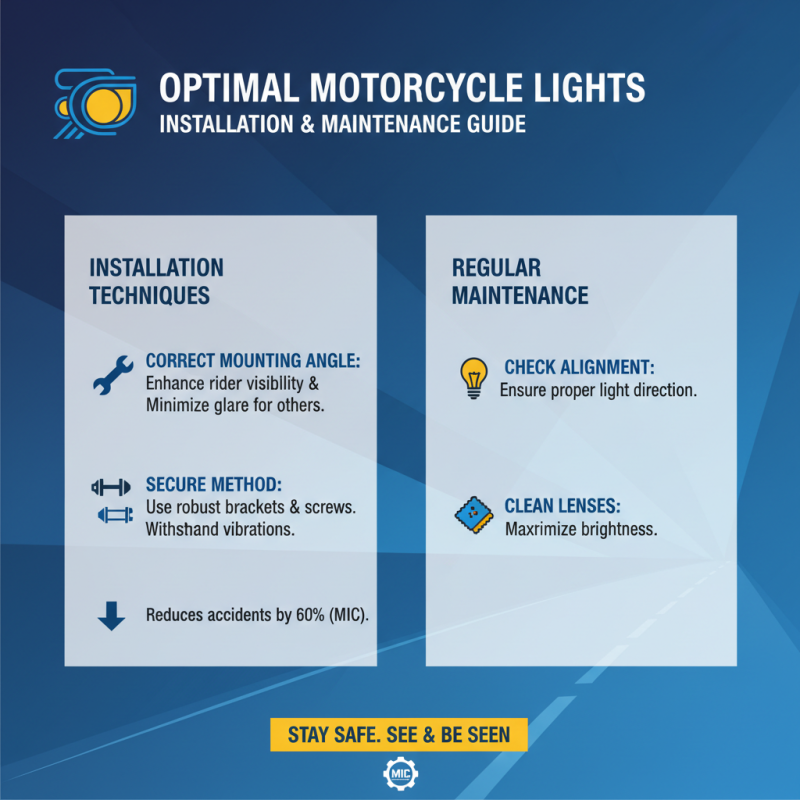
When installing motorcycle lights, ensuring optimal performance requires a focus on both installation techniques and regular maintenance. According to the Motorcycle Industry Council (MIC), improper installation can lead to significant visibility issues during night rides, which contributes to approximately 60% of motorcycle accidents. Therefore, it’s essential to mount lights correctly, allowing for proper angles that enhance visibility while minimizing glare for both the rider and other road users. Using a secure mounting method, such as robust brackets and screws, is recommended to withstand vibrations and resist loosening over time.
Maintenance plays a crucial role in the longevity and effectiveness of motorcycle lighting systems. A study published in the Journal of Safety Research found that regular checks of the electrical connections, lens cleanliness, and light alignment significantly reduce the risk of malfunctions that could compromise safety. Riders should inspect their lights every month, ensuring that they are free from dirt and corrosion, and replace any burnt-out bulbs immediately. Additionally, periodically testing the entire lighting system before long trips can prevent unexpected failures and enhance overall visibility on the road. By following these best practices, motorcyclists can greatly improve their safety and visibility while riding.