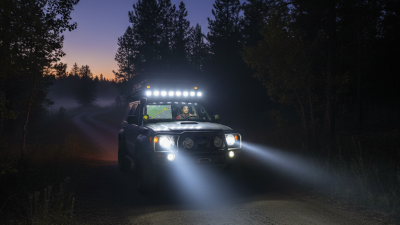
How to Choose the Best Driving Light for Your Vehicle?
Choosing the right Driving Light for your vehicle can significantly enhance safety and performance. According to a 2022 report by the Automotive Lighting Institute, improper lighting can increase accident risk by over 30%. Experts emphasize the importance of selecting high-quality lights. As noted by lighting specialist Dr. Emily Carter, "The right Driving Light not only illuminates the road but also improves driver awareness."
Navigating the myriad options can be overwhelming. Different terrains and conditions require tailored solutions. For instance, off-road enthusiasts may need stronger beams for darker environments. A common mistake is prioritizing aesthetics over functionality. Many drivers often overlook critical features, like beam distance and color temperature. These details can greatly affect visibility.
Understanding your needs is essential. It's not just about brightness; quality matters. Low-quality lights may offer short-term benefits but can fail quickly. This leads to frustration and potential hazards on the road. Evaluate products carefully. Choosing the wrong Driving Light could mean compromising your driving experience and safety.
Factors to Consider When Choosing Driving Lights for Vehicles
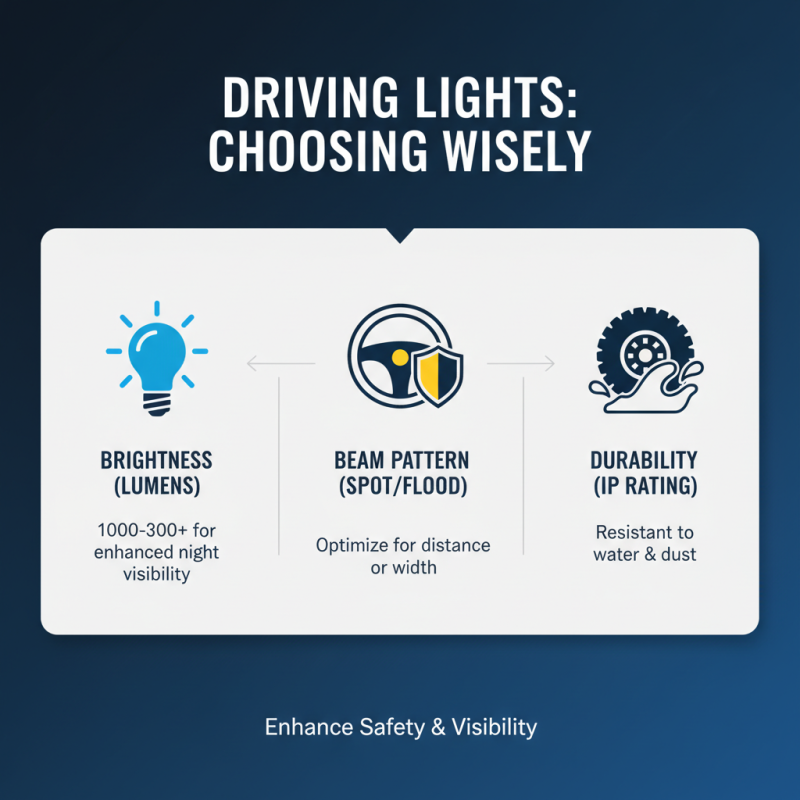
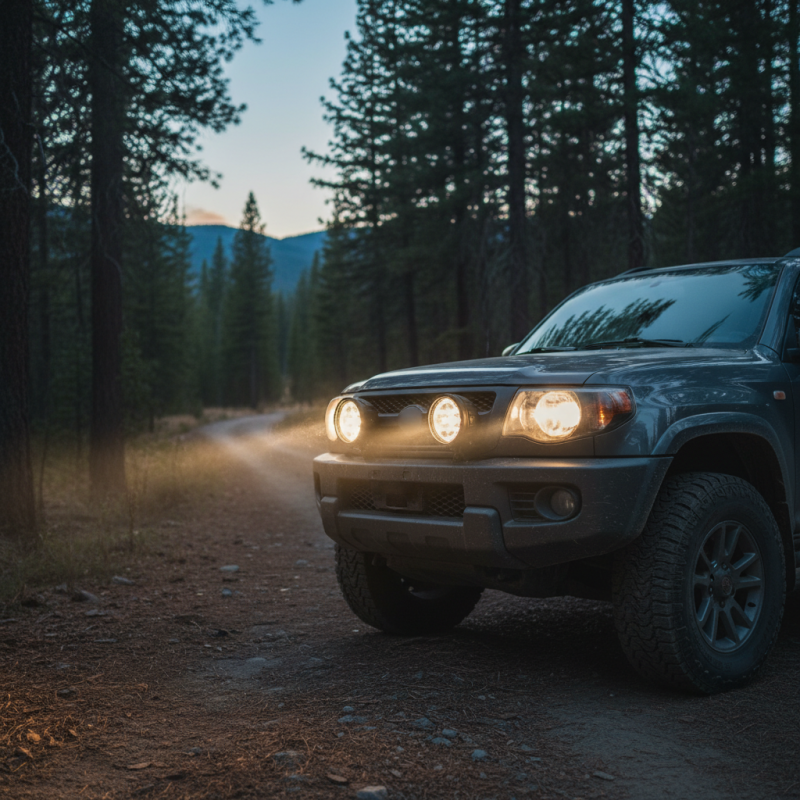
Choosing the right driving lights for your vehicle can enhance both safety and visibility. Several factors play a crucial role in making this decision. Brightness is paramount. According to recent industry studies, the average driving light emits around 1,000 to 3,000 lumens. Higher lumens mean better visibility, especially during nighttime or adverse weather conditions.
Consider the light beam pattern as well. Spot lights provide focused illumination, while flood lights offer a broader coverage. A combination of both can maximize visibility on the road. Furthermore, durability is essential. Driving lights should withstand harsh conditions. Many reports indicate that LED options often last longer and consume less power, making them a cost-effective choice.
**Tip:** Always assess your typical driving environment. If you often drive in rural areas, invest in brighter, long-range options.
Reflect on your specific needs. For example, do you frequently drive in fog? Fog lights have unique designs to cut through low visibility. Moreover, ensure your driving lights comply with local regulations to avoid potential legal issues. Always opt for products that have passed safety standards.
**Tip:** Engage with experts at your local automotive store for tailored advice. They can provide insights that suit your vehicle type and driving habits.
Types of Driving Lights: LED, Halogen, and HID Comparison
When choosing driving lights, understanding the different types is crucial. LED lights are energy-efficient and long-lasting. They offer bright illumination and consume less power. The durability of LEDs makes them ideal for off-road and harsh environments. However, their initial cost can be higher than other options.
Halogen lights are a more traditional choice. They provide a warm light and are easier to replace if needed. Their brightness is adequate, but they consume more energy than LEDs. Over time, they may also burn out faster. Many drivers appreciate their affordability, yet they might not last in extreme conditions.
HID lights offer intense brightness and a wider beam. They are great for night driving but can be complex to install. The initial expense and setup might discourage some users. Additionally, HID lights require specific conditions to operate effectively. Each type has its pros and cons, prompting a reflection on your driving needs. Consider the environments you frequent before making a decision.
Understanding Beam Patterns and Their Impact on Visibility
When choosing driving lights, understanding beam patterns is crucial. A good beam pattern enhances visibility on the road. There are several types, such as spot, flood, and combo beams. Spot beams focus light into a narrow path, ideal for long-distance visibility. Flood beams spread light over a wider area, perfect for close-range illumination. Each pattern serves a different purpose, affecting your driving experience.
The impact of beam patterns on visibility cannot be overstated. For example, a strong spot beam can illuminate distant objects, but might leave nearby areas dark. On the other hand, a flood beam lights up the immediate surroundings but lacks the reach. Balancing these patterns is key. Think about your driving needs and conditions. Off-road driving requires robust illumination. Street driving might only need moderate lighting.
Choosing the right beam pattern is a reflection of your driving habits. Are you often on rural roads or in city traffic? If you drive in diverse conditions, a combo beam could offer versatility. Remember, effective driving lights should cater to your unique environment. Recognizing these patterns helps in making informed decisions. Reflect on what works best for you and your vehicle.
How to Choose the Best Driving Light for Your Vehicle? - Understanding Beam Patterns and Their Impact on Visibility
| Beam Pattern |
Ideal Use |
Visibility Range (meters) |
Pros |
Cons |
| Spot Beam |
Long-distance visibility |
100-200 |
Excellent for highway driving |
Limited width of light |
| Flood Beam |
Wider area coverage |
30-50 |
Great for off-road conditions |
Not ideal for distance |
| Combo Beam |
Versatile driving |
50-150 |
Offers a mix of distance and width |
May compromise on both |
| LED Pattern |
Any driving situation |
Variable |
Energy efficient and long-lasting |
Can be more expensive |
Legal Regulations on Driving Light Installation and Use
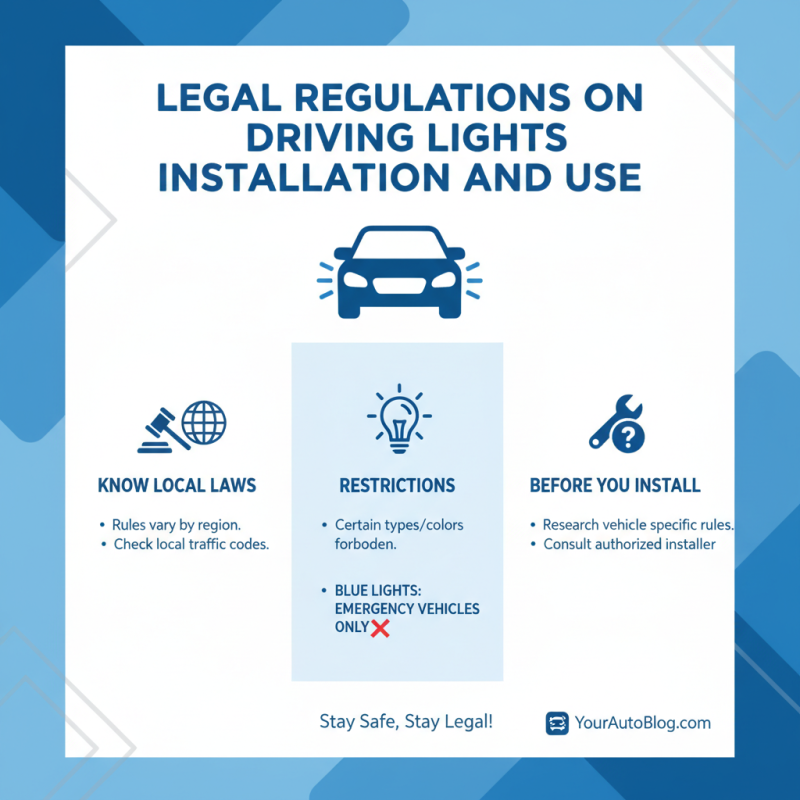
When installing driving lights, understanding legal regulations is crucial. Each region has its own rules regarding the installation of auxiliary lighting on vehicles. Some jurisdictions restrict certain types or colors of lights. For example, using blue lights may be illegal in many areas as they are reserved for emergency vehicles. It is essential to check local laws before making a decision.
Moreover, regulations often specify where lights can be mounted. Installing lights too high can cause glare for oncoming drivers. This not only creates safety issues but might also lead to fines. In some places, additional features like automatic shut-off systems may be required. Ensuring compliance protects both you and other road users.
Many vehicle owners overlook these dynamics in their quest for visibility. While brighter lights enhance safety, recklessness in installation can be counterproductive. Take time to research and understand what is allowed. Ignoring these regulations not only jeopardizes safety but can also lead to legal complications down the road.
Installation Tips for Optimal Performance of Driving Lights
Installing driving lights can significantly enhance your vehicle's visibility during challenging conditions. Proper installation is crucial for optimal performance. Begin by selecting a suitable mounting location. The lights should be positioned low and wide, providing illumination without blinding oncoming drivers. Use a sturdy bracket to secure the lights, ensuring they are stable during any driving situation.
Wiring is another critical aspect of installation. Make sure to use high-quality connectors and wires. Proper grounding is essential for efficient operation. Test the lights after installation to guarantee they function correctly. This step is often overlooked, leading to frustrations later.
A well-executed installation can improve light performance, but it’s important to adjust the beam pattern. Aim the lights to avoid glare and ensure adequate coverage on the road.
Consider the environment you frequently drive in. Different terrains may require different light setups. Sometimes, less is more. Overly bright lights can cause issues for others on the road. Keep in mind that effective driving lights should enhance safety, but they must also comply with local regulations. Reflecting on your installation process can prevent potential mistakes in the future.