How to Choose the Right Motorcycle Light for Safety?
Choosing the right motorcycle light is crucial for safety on the road. A good motorcycle light enhances visibility significantly. It can help you see obstacles clearly at night. More importantly, it ensures that other drivers can see you. This factor often gets overlooked.
When selecting a motorcycle light, consider the brightness and beam pattern. Some lights may be too bright for oncoming traffic. This can create dangerous glare and distract other riders. Reflect on the needs of your riding style. A versatile light may suit various conditions better.
Look at the durability of the motorcycle light too. Road conditions can be harsh. Poorly made lights can fail when you need them most. Remember that a cheap option might cost you later. Balancing quality and price is essential for smart choices in motorcycle safety.
Understanding the Importance of Motorcycle Lighting for Safety
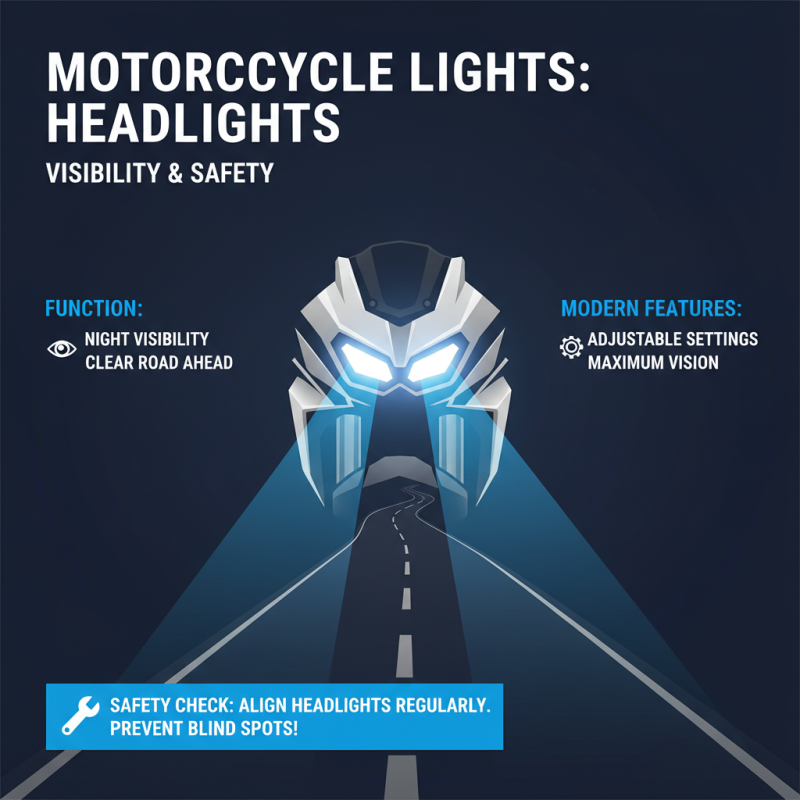
Motorcycle lighting is vital for your safety. Good visibility helps you avoid accidents. Many riders underestimate the importance of proper lights. However, being seen is crucial on the road, especially during twilight or rainy conditions.
Tips for motorcycle lighting: Ensure your front light is bright enough. Consider adjusting the angle. A proper angle can enhance visibility. In addition, use reflective materials on your bike. They can make a big difference when light hits them.
Riders often overlook the back and side lights. These lights alert drivers from all angles. A bright tail light can prevent rear-end collisions. Remember, a flickering light might not be effective. You might think your bike is visible, but others may not see it well. Check the function of all lights regularly.
How to Choose the Right Motorcycle Light for Safety? - Understanding the Importance of Motorcycle Lighting for Safety
| Light Type |
Brightness (Lumens) |
Beam Distance (Meters) |
Features |
Recommended Use |
| LED Headlight |
2000 |
200 |
Durable, Energy Efficient |
Night Riding, Urban Commute |
| Halogen Fog Light |
800 |
50 |
Warm Light, Wide Beam |
Foggy Conditions, Low Visibility |
| High-Intensity Discharge (HID) |
3000 |
300 |
High Brightness, Long-Lasting |
Long-Distance Riding, Racing |
| Brake Light |
400 |
20 |
Quick Response, High Visibility |
Traffic Safety, Stop Indication |
| Turn Signal |
300 |
15 |
Flashing, Eye-Catching Color |
Lane Changes, Turns |
Key Features to Consider When Choosing Motorcycle Lights
When choosing motorcycle lights, safety is paramount. Brightness is a key feature to consider. Look for lights with high lumens. A well-lit road improves visibility significantly. LED lights often provide better brightness and efficiency.
Another important aspect is the beam pattern. A focused light can illuminate farther ahead, while a wider pattern helps increase peripheral visibility. Test each option in different conditions. You might find that what works in daylight differs at night. Durability is also essential. Check for weatherproof ratings. Lights should withstand rain and vibrations.
Lastly, consider mounting options. Some lights may not fit well on all motorcycles. Adjustable mounts can help position the light effectively. This is an area where trials are necessary. What looks good on paper might not perform as expected. Make adjustments until you find the right fit for your ride.
How to Install and Position Motorcycle Lights for Maximum Visibility
Proper installation and positioning of motorcycle lights can significantly enhance visibility on the road. According to the National Highway Traffic Safety Administration, more than 80% of motorcycle crashes result in injury or death. Proper lighting can mitigate risks. Positioning lights too low or too high can reduce their effectiveness. Aim for a height that matches other vehicles’ headlights to ensure better visibility to other drivers.
When installing lights, consider the angle. A downward tilt of about 15 degrees helps illuminate the road without blinding oncoming traffic. Additionally, side lights can help with visibility at intersections, where many collisions occur. Studies show that bikers who use supplementary lights increase their conspicuity by up to 30%. It's essential to test the positioning in different conditions.
Reflecting on the placement of lights is critical. Many riders overlook this aspect and end up with an incorrect setup. Adjusting lights after installation can be tedious, yet it's necessary for maximum safety. Regular check-ups on motorcycle light functionality can prevent potential hazards. Remember, it's not just about having lights; it's about having them positioned correctly for optimal safety.
Maintaining and Upgrading Motorcycle Lights for Optimal Safety
Upgrading motorcycle lights can make a significant difference in safety. Good visibility helps avoid accidents. Dull or broken lights can lead to dangerous situations. Regularly checking your lights is crucial. Don’t wait until an issue arises. Ensure your headlights are bright and clear. Foggy lenses must be cleaned or replaced.
Tips: Make it a routine to inspect your lights weekly. It takes just a few minutes. Don’t ignore rear and turn signals. They are just as important for visibility. Consider adding auxiliary lights for extra brightness. This can help in low-light conditions.
Some riders might overlook wiring and connections. Ensure they are secure and free from corrosion. A small crack or loose connection can lead to bigger issues. Ignoring these details can be a mistake. When upgrading, opt for reliable light types. LED lights are energy-efficient and last longer. But they need proper installation for best results. Always trust your instincts—if something feels off, check it.