How to Choose the Best Truck Work Lights for Your Needs?
Choosing the right Truck Work Lights can significantly improve your workflow. According to John Smith, an industry expert and owner of BrightRoad Lighting, "The right lighting turns night into day." This highlights just how crucial it is to select appropriate lights for your truck.
When selecting Truck Work Lights, consider factors like brightness, durability, and power source. High-quality LEDs can last longer and provide better visibility. Additionally, think about the environment in which you’ll be working. If you need lights for harsh conditions, opting for rugged options is essential.
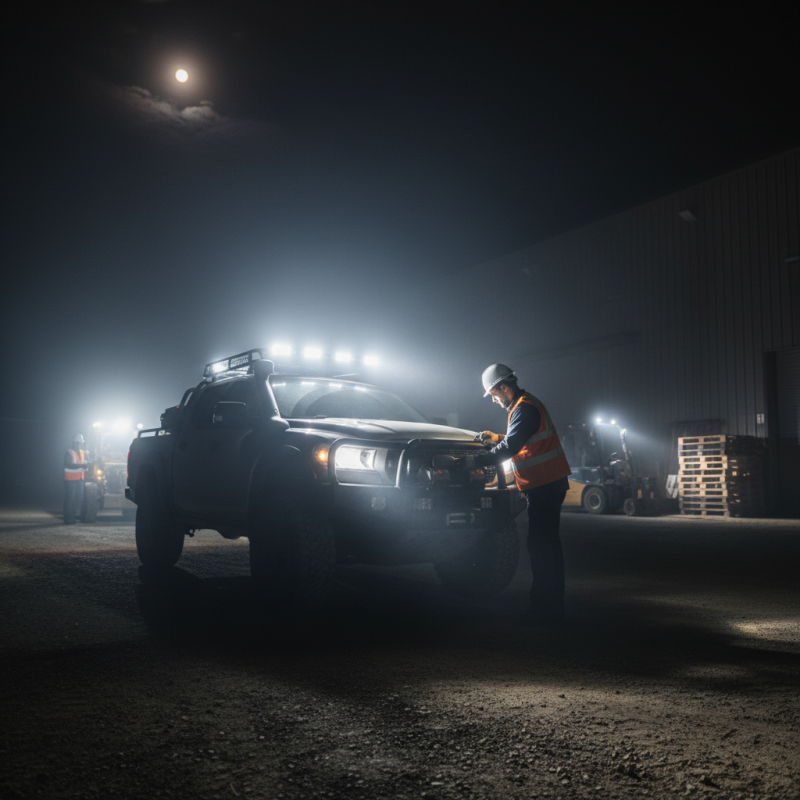
It's also important to reflect on the specific tasks you’ll perform. Are you working roadside? Or perhaps in a warehouse? Your choice of Truck Work Lights should reflect your unique needs. Mistakes in selecting the wrong type can affect your safety. Take time to evaluate what works best for you.
Understanding Different Types of Truck Work Lights Available on the Market
When selecting truck work lights, consider the various types available. LED lights are popular due to their energy efficiency and longevity. They produce bright light, enhancing visibility during nighttime work. However, they can be more expensive than other options. As you shop, check the lumens output to ensure adequate brightness.
Halogen lights offer another choice. They are often more affordable, but they consume more power. Halogen lights produce a warm glow, useful in certain situations. They can also heat up quickly, which is something to watch out for. If safety is a priority, ensure that the light's housing is durable and resistant to impact.
Portable work lights are highly versatile. They can be moved easily, adjusting to different needs and locations. Battery-operated versions provide convenience as they eliminate the need for a power source. Despite their benefits, battery life can be a concern, so consider this factor carefully. Lastly, ensure your selected light has adequate weather resistance, especially if you will be using it outdoors.
Evaluating Brightness and Lumens for Optimal Visibility
When choosing truck work lights, brightness is key. Measured in lumens, this figure indicates the light's intensity. A higher lumen count means better visibility, especially in dark or dimly lit areas. For efficient use, consider your environment. If you often work in open fields, opt for lights with greater lumens. For tighter spaces, lower lumens may suffice.
Tips: Always check the beam pattern. A wide beam covers more area, while a focused beam offers distance. This can affect your work efficiency. Also, don’t overlook color temperature. Warmer lights resemble daylight and can reduce eye strain during long hours.
Take time to evaluate your specific needs. Sometimes, too much brightness can create glare, making tasks more difficult. It's essential to find the right balance. If unsure, test different options before committing. You might discover that what works for others may not work for you. Being patient in this selection process will lead to the best results.
Assessing Durability and Weather Resistance for Outdoor Use
When choosing truck work lights, durability and weather resistance are crucial. Outdoor conditions can be harsh. Lights must withstand rain, snow, and extreme temperatures. According to industry reports, nearly 60% of work light failures are due to inadequate weatherproofing. Choosing lights with IP ratings is essential. An IP67 rating indicates complete dust and water resistance for temporary submersion. This feature can extend the lifespan of your lights significantly.
Temperature tolerance is also vital. Some lights fail in cold weather, freezing at low temperatures. Reports show that LED lights perform better in extreme conditions, with a failure rate of only 5%. In comparison, traditional halogen lights can decline in performance more rapidly. When selecting truck work lights, consider materials and seals. They should resist corrosion and impact. A tough exterior can prevent damage from falls or debris.
Additionally, reflect on the mounting systems. A secure installation helps reduce vibration damage. But be aware: improper installation can lead to light gaps, reducing effectiveness. Weather resistance is more than protection; it's about ensuring consistent performance. Failure to consider these factors can result in frequent replacements and unexpected costs.
Considering Power Source Options for Flexibility and Convenience
When selecting truck work lights, the power source is a crucial factor. Battery-powered lights offer excellent portability. They are ideal for remote job sites where access to electricity is limited. A study indicates that nearly 70% of professionals prefer portable options for outdoor tasks. However, while convenient, battery life often remains a concern. Users frequently report frustrations with short operational times during crucial jobs.
Wired lights provide reliable performance, especially in steady environments. These lights ensure constant power, minimizing interruptions. A recent industry report highlights that about 60% of workshops utilize hardwired solutions for their stable output. Yet, these lights can restrict movement. Users must plan their workspace carefully. Heavy-duty extension cords can complicate setups, adding potential hazards. Flexibility in positioning becomes limited, which may hinder efficiency.
Solar-powered options are gaining traction as a green alternative. They offer independence from traditional energy sources. However, they rely heavily on weather conditions, which can reduce effectiveness. Users often face challenges when sunlight is scarce. A survey shows that only 40% are satisfied with solar performance in low-light conditions. Choosing the right power source involves weighing benefits against personal work environments.
Analyzing Mounting Options and Installation Requirements for Your Truck
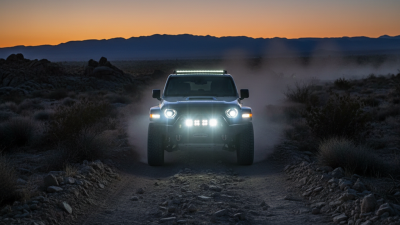
When it comes to truck work lights, installation is key. You can choose from various mounting options, but each has its challenges. For example, some lights attach to the roof. This can provide excellent visibility, but it may require drilling holes and may not be suitable for all truck models. Always check your truck's specifications before committing.
Other mounting options include bumper and frame mounts. These placements can be easier to install but may limit visibility. While these spots are less intrusive, they are often lower to the ground. This can lead to obstructions during use. You need to consider your typical work environment, too. Will your lights be exposed to debris and harsh conditions?
Wiring is another factor in the installation process. An improper setup can lead to short circuits. Make sure you understand the wiring needs of your selected lights. Some lights may require additional accessories. It's crucial to reflect on what you truly need versus what looks appealing. Consider your skills and tools before starting the installation. Take your time to evaluate the best approach for your truck.