How to Choose the Right Switch Panel for Your Needs?
Choosing the right switch panel can be challenging. Tim Johnson, a leading expert in the electrical industry, emphasizes, "The right switch panel enhances both functionality and safety in any setup." A switch panel is more than just a control board. It connects your needs to the electrical system effectively.
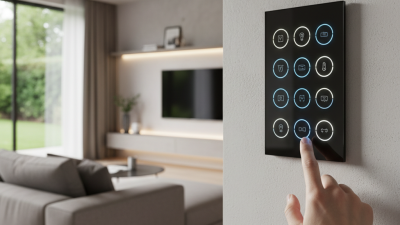
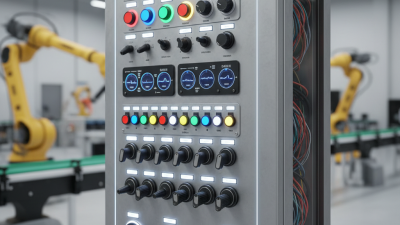
Consider your specific requirements. Do you need it for home automation or industrial purposes? Each application demands different features. For instance, a panel meant for heavy machinery must withstand harsher conditions. Meanwhile, residential panels focus on user interface and ease of access.
Explore options wisely. There are various types of switch panels, and each has unique advantages. It’s essential to reflect on your situation before making a choice. High-quality panels offer better durability and functionality. Sometimes, an affordable option may not meet long-term needs. Prioritize reliability and quality over cost. Making an informed decision will lead to safer usage and efficient operations.
Understanding the Different Types of Switch Panels Available
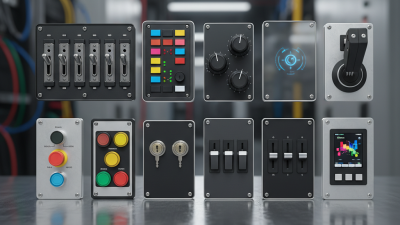
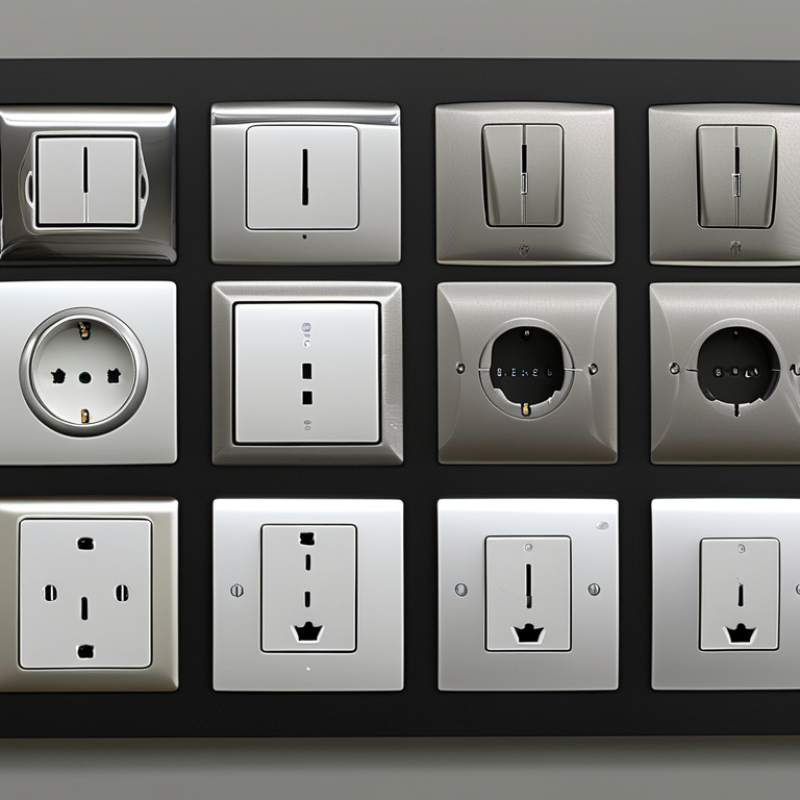
When selecting a switch panel, understanding the different types can help you make the right choice. There are several types available. Each type serves unique purposes and environments. The most common types include rockers, toggles, and sliders. Rocker panels are often used in homes due to their ease of operation. Toggle switches provide a classic feel and are generally robust. Sliders, on the other hand, are suitable for dimmers and allow fine control of lighting.
Tips for choosing the right switch panel include considering the environment. For outdoor use, opt for weatherproof options. If you have children, look for switches with safety covers. Always assess the compatibility with your existing system. A switch that fits seamlessly into your décor will enhance overall aesthetics.
Pay attention to the installation process. Some switch panels require specific tools or expertise. If you're unsure about installation, consult a professional. Awareness of the electrical ratings for your switches is crucial too. Mismatching can lead to problems. Reflect on your needs carefully to avoid costly mistakes.
Assessing Your Specific Needs and Requirements for Switch Panels
When considering a switch panel, it’s vital to assess your specific needs and requirements. Start by identifying the primary functions you require. Is it for lighting control, appliance management, or perhaps both? This foundational step will guide your selection and eliminate unnecessary features that may inflate costs.
Next, think about the placement of the switch panel. Will it be in a high-traffic area or a more remote location? The accessibility and visibility will impact usability. Additionally, consider the size and design. It should fit seamlessly with your existing decor while providing adequate space for wiring. Compact designs may save space but can complicate installation.
Reflect on the technology involved. Are you looking for traditional switches, or do you need smart features? Smart panels offer convenience but require a stable internet connection. Also, be mindful of future needs. Changes in your lifestyle may demand different functionalities down the line. Properly evaluating these specifics allows for a more informed decision, ensuring you pick a switch panel that truly meets your requirements.
Evaluating Key Features to Look for in Switch Panels
When choosing a switch panel, evaluating key features is crucial. Consider the number of switches and their configuration. A typical panel may have six to twelve switches, but options vary greatly. A user-centric design is essential; ergonomics and accessibility matter. Reports indicate that 70% of users prefer panels that enhance usability.
Power ratings are another key factor. Most switch panels handle 15A at 120V, but some offer higher ratings. This can be vital for specific applications. Research suggests that panels operating beyond standard ratings can lead to failures. Moreover, look for safety certifications. Panels without proper certifications may pose risks.
Durability is often overlooked. Materials like polycarbonate can withstand wear better than cheaper plastics. Data shows that 60% of failures come from physical damage. Features like backlighting for night visibility might seem minor. However, user surveys indicate many appreciate this enhancement. Reflecting on your needs and the intended environment can help avoid missteps. Selecting the right switch panel can significantly impact functionality and safety.
How to Choose the Right Switch Panel for Your Needs?
| Feature |
Description |
Importance |
| Number of Switches |
Identifies how many devices can be controlled. |
High |
| Size and Layout |
Physical dimensions that fit your installation space. |
Medium |
| Backlight Option |
Lighting feature for visibility in low-light situations. |
High |
| Material Quality |
Durability and resistance to wear over time. |
High |
| Installation Type |
Ease of installation (screw mount, snap-in, etc.). |
Medium |
| Compatibility |
Works with various electrical systems and devices. |
High |
| Price Range |
Cost of the switch panel within your budget. |
Medium |
Comparing Brands and Models for Quality and Reliability
When selecting a switch panel, various brands and models can complicate the decision. A 2022 industry report indicated that failure rates can vary. High-quality panels report failure rates as low as 2%, while some lower-end products exceed 10%. This discrepancy highlights the importance of thorough research and comparison.
Durability and reliability are crucial aspects to consider. Advanced testing shows that high-end models endure rigorous conditions better. For instance, panels designed for heavy industrial use can last five times longer than standard models. However, many consumers overlook these factors and prioritize cost. This choice may lead to issues, such as frequent replacements and increased downtime.
Another point of reflection is compatibility. Not all panels function seamlessly with existing systems. A recent survey revealed that 30% of users face issues related to integration. Understanding specifications is essential. Users should ensure that the selected panel meets their specific needs, accommodating the operational environment. A more informed decision can enhance both performance and longevity.
Installation and Maintenance Considerations for Switch Panels
When it comes to switch panel installation, users often overlook crucial elements that can impact performance and safety. Data from the National Electrical Manufacturers Association indicates that improper installation can lead to device malfunctions. It’s essential to follow manufacturer guidelines and understand the electrical load requirements. Ignoring these aspects might result in short circuits or device failures.
Tips: Always check the voltage specifications before installation. Ensure compatibility with your system.
Maintenance is as vital as installation. Regular inspections can help identify any signs of wear, like discoloration or burn marks, that indicate potential hazards. A report by the IEEE notes that electrical equipment maintenance can reduce failures by up to 25%. Schedule periodic checks to maintain optimal functioning of switch panels and ensure safety.
Tips: Keep a maintenance log and check connections quarterly. This will help you catch issues early.
Inadequate attention to details in installation and maintenance can lead to serious issues. The industry often sees numerous cases where neglect has resulted in costly repairs or even hazards. Realizing these risks is crucial in maximizing the lifespan of your switch panels.