How to Effectively Use a Switch Panel for Your Home Automation System
As home automation continues to gain traction, the importance of efficient control systems cannot be overstated. According to a recent report by the Consumer Technology Association, approximately 69% of U.S. households have at least one smart device, and this number is expected to rise as more homeowners seek to enhance their living environments. Central to this growing trend is the effective use of a switch panel, which serves as a crucial interface for managing various smart home technologies.
Switch panels not only streamline the operation of devices but also enhance user convenience by consolidating multiple controls into a single location. A study conducted by Statista highlighted that over 40% of smart home users prefer integrated control solutions, reinforcing the shift away from traditional, disparate systems. By optimizing the use of switch panels, homeowners can elevate their automation experience, achieving not just functional efficiency but also energy savings that contribute to sustainable living.
In this context, understanding how to effectively utilize a switch panel becomes paramount for anyone looking to implement or upgrade their home automation system. With the right strategies, users can maximize the benefits provided by their smart devices, transforming their homes into seamlessly connected environments that cater to their specific needs and lifestyles.
Understanding the Basics of Switch Panels in Home Automation
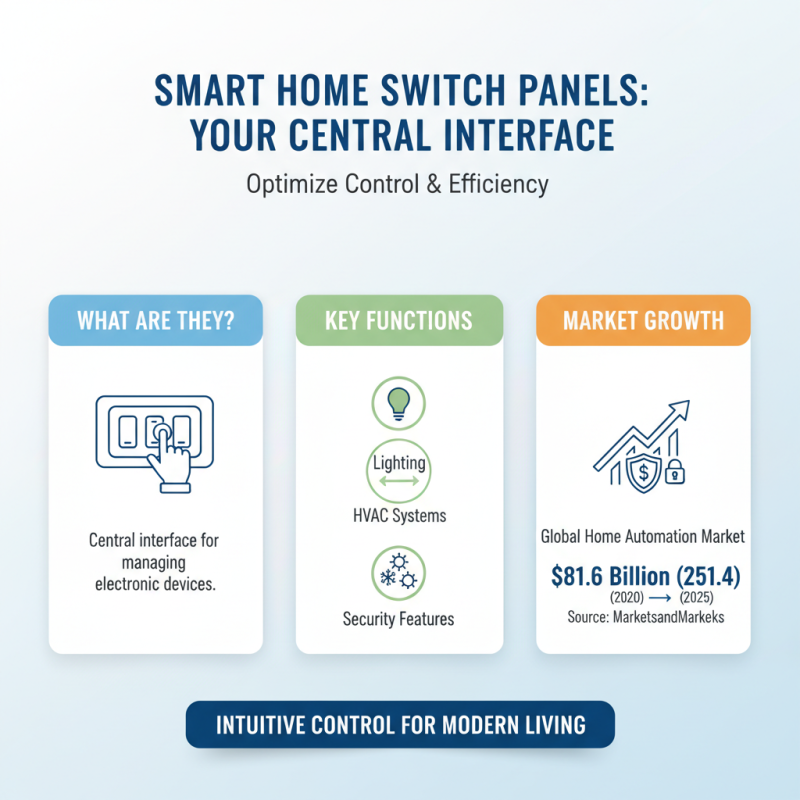
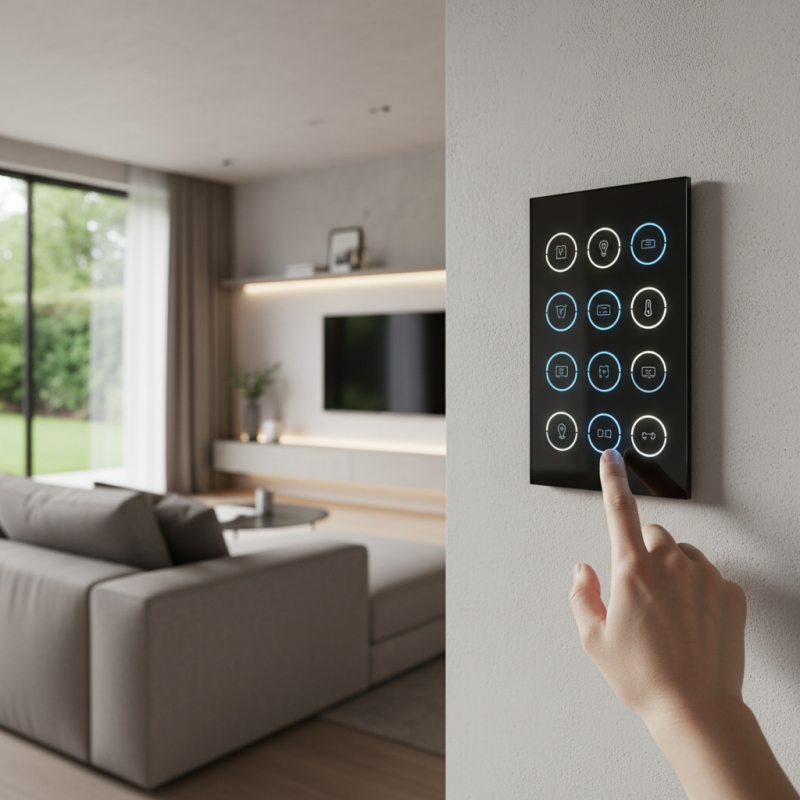
In the realm of home automation, understanding the basics of switch panels is crucial for optimizing control and efficiency within smart homes. Switch panels serve as the central interface between users and their electronic devices, allowing homeowners to manage lighting, HVAC systems, and security features seamlessly. According to a report by MarketsandMarkets, the global home automation market is projected to grow from $81.6 billion in 2020 to $151.4 billion by 2025, highlighting the increasing importance of intuitive control systems like switch panels in everyday living.
Switch panels can vary widely in functionality and design, with some offering basic on-off switches while others feature touchscreens that integrate with various smart home systems. A study from the Consumer Technology Association revealed that over 60% of U.S. households have started to adopt some form of smart technology, emphasizing the demand for user-friendly interfaces. Understanding the types of switch panels available, including smart switches and multi-zone controls, can empower homeowners to select the most suitable options for their specific needs, ensuring a more cohesive and efficient automation experience.
Moreover, the data supports that convenience and energy efficiency are driving factors behind the adoption of smart home technology. For instance, a recent survey found that homes with fully automated systems can save up to 30% on energy costs. By leveraging switch panels as a control hub, users can schedule their devices, monitor usage, and receive alerts, thereby enhancing their overall quality of life while also championing sustainability.
Choosing the Right Switch Panel for Your Needs
When choosing the right switch panel for your home automation system, there are several key factors to consider to meet your specific needs. According to a report from ResearchAndMarkets, the global smart home market is projected to reach $135.3 billion by 2025, highlighting the growing trend of home automation. This surge in adoption underlines the importance of selecting a switch panel that not only integrates seamlessly with your automation system but also offers features that enhance usability and convenience.
One crucial aspect to consider is compatibility with existing hardware. Many homes utilize a mix of smart and traditional devices, making it essential to choose a switch panel that can bridge the gap. A survey by Statista reported that 45% of U.S. smart home owners listed interoperability as a top concern when selecting smart devices. Look for a switch panel that supports multiple protocols, such as Z-Wave or Zigbee, to ensure versatile connectivity across your devices.
Additionally, user interface and design play a significant role in your overall experience. A recent study by the Consumer Technology Association revealed that 70% of consumers prefer smart devices that offer intuitive controls and easy navigation. Ensure that the switch panel features a user-friendly interface, possibly touch-screen capabilities, that accommodates various family members, including children and seniors, thus enhancing accessibility throughout your home.
Installation Steps for Your Home Automation Switch Panel
When installing a home automation switch panel, it’s essential to follow proper steps to ensure functionality and safety. According to a report by Statista, the global smart home market is projected to reach $174 billion by 2025, highlighting the growing trend towards home automation. First, start by turning off the power supply to the designated circuit at your breaker box to prevent any electrical mishaps. Use a voltage tester to confirm that the power is off. This step is crucial for ensuring safety during installation.
With the power safely turned off, proceed to remove your existing switch, carefully noting the wiring configuration. Most automation switch panels will have a clear labeling system for connections; typically, you will connect the live, neutral, and ground wires according to the instructions. A study from MarketsandMarkets indicates that smart lighting systems can account for more than 30% of the home automation segment, underscoring the importance of integrating a reliable switch panel. Once the wires are securely connected to the new switch panel, fit it back into the electrical box, ensuring everything is neatly placed and not pinched or damaged.
After securing the panel, restore power at the breaker and test the switch to confirm successful installation. Following these steps not only promotes efficient use of your home automation system but also contributes to its longevity and performance.
Configuring and Customizing Your Switch Panel Settings
Configuring and customizing your switch panel settings is crucial for optimizing your home automation system. A well-designed switch panel can enhance the user experience by providing seamless control over lighting, climate, and security systems. Recent studies indicate that more than 70% of homeowners are investing in smart home technologies, with switch panels being a pivotal component in this setup. Customizing the panel’s layout allows users to prioritize frequently used functions, providing not only convenience but also energy savings. According to a report by the International Energy Agency, smart home technology can reduce energy consumption by up to 30%, making such configurations a worthwhile investment.
When customizing your switch panel, consider implementing automation routines, which can adjust settings based on time or occupancy. For instance, you can program your panel to turn off lights automatically when a room is unoccupied, which enhances both convenience and energy efficiency. Moreover, integrating voice command features can streamline your interaction with different components of the home automation system, allowing for hands-free control.
Tips: Always review your panel's firmware updates to ensure improved functionality and security. Additionally, consider creating scenarios that reflect your lifestyle needs, such as a "movie night" setting that dims lights and lowers shades. This tailored approach not only improves user satisfaction but also maximizes the efficiency of your home automation system.
Troubleshooting Common Issues with Switch Panels
When integrating a switch panel into your home automation system, it's not uncommon to encounter some common issues. One of the primary problems can be connectivity failures. If your switch panel isn't communicating with your automation hub, ensure that all devices are properly connected to the same network and check the strength of the signal between them. Sometimes, simply restarting the hub or the switch panel can resolve connectivity glitches. Additionally, make sure the firmware of the devices is updated, as outdated software can impede functionality.
Another prevalent issue is the misconfiguration of settings. Home automation systems often allow extensive customization, but this can lead to settings being inadvertently changed or set incorrectly. If certain functions do not operate as expected, revisit the configuration settings through the control app. It's essential to ensure that the correct scenes and schedules are programmed. If your light switches are not responding, double-check to confirm that they are actually assigned to the correct devices within the app. Troubleshooting these common scenarios can enhance the efficiency of your switch panel and improve your overall home automation experience.