Essential Tripod Work Light Tips for Better Lighting Solutions?
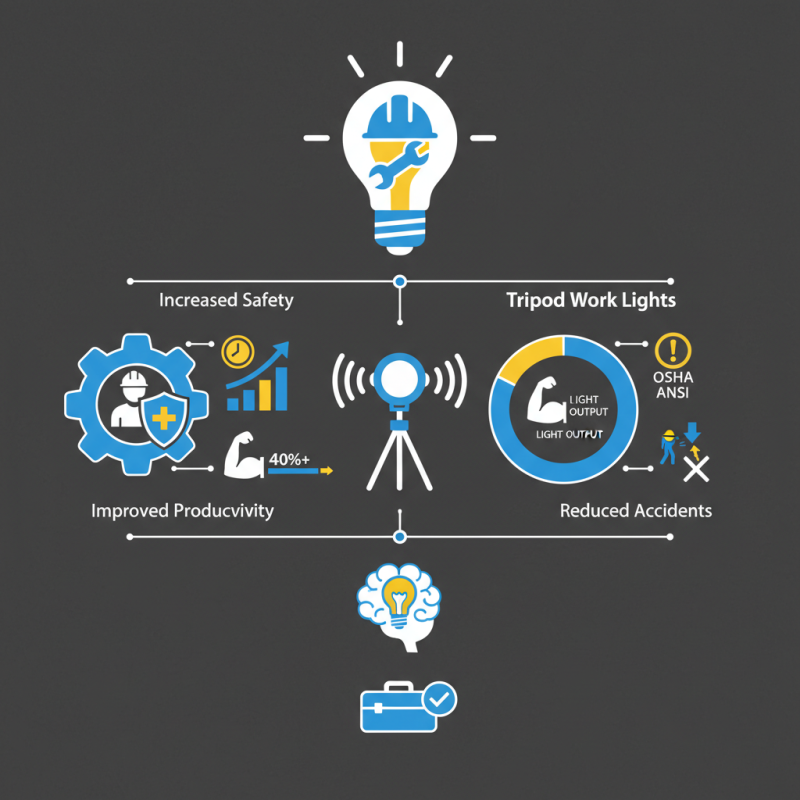
In the world of construction and outdoor work, proper lighting is essential. A study by the Occupational Safety and Health Administration (OSHA) highlights that inadequate lighting can lead to decreased productivity and increased accident rates. A reliable solution is using a Tripod Work Light, which offers flexibility and adjustability in various settings.
These lights provide bright illumination where it's needed most. However, not all tripod work lights are created equal. The market is flooded with options, making it challenging to choose the right one. For instance, a survey conducted by the American National Standards Institute (ANSI) found that over 40% of users prioritize durability and light output when selecting work lights.
It's crucial to reflect on how the choice of lighting directly impacts safety and efficiency. Investing in a high-quality tripod work light not only enhances visibility but also fosters a secure work environment. By understanding these factors, you can make an informed decision that meets your lighting needs.
Choosing the Right Tripod Work Light for Your Needs
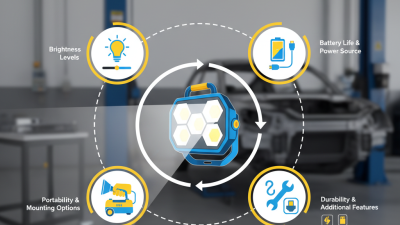
Choosing the right tripod work light can dramatically improve your workspace efficiency. Assessing your specific needs is crucial before making a decision. Consider the brightness level required for your tasks. Some projects may need intense lighting, while others may benefit from softer options. Pay attention to the lumen output. A higher lumen count usually means brighter light, but it’s essential to find a balance to avoid glare.
Portability and adjustability are also vital features. A lightweight tripod makes it easy to move. Look for models with adjustable height and angle settings. This flexibility allows you to direct light where it is most needed. Think about your power source too. Battery-operated lights offer convenience, but ensure they have a good runtime. Many users overlook battery capacity, feeling frustrated when lights dim unexpectedly.
Lastly, reflect on the durability of your chosen light. A sturdy build can withstand the rigors of different environments, especially in construction or outdoor settings. While aesthetics matter, prioritize functionality over style. Investing in a quality tripod work light can yield long-term benefits, but it requires thoughtful consideration of your unique requirements. Choose wisely, and you will enhance your lighting solutions significantly.
Essential Tripod Work Light Tips for Better Lighting Solutions
| Feature |
Details |
| Lumens Output |
800-3000 lumens |
| Power Source |
Battery, AC, or hybrid |
| Adjustability |
Height adjustable from 3 to 7 feet |
| Weight |
10-20 lbs |
| Color Temperature |
3000K (Warm White) to 6000K (Daylight) |
| Durability |
Water and dust resistant (IP65) |
| Additional Features |
Swivel head, brightness adjustment, portable design |
Understanding Different Types of Work Light Bulbs and Their Uses
When choosing work light bulbs for tripod lighting, understanding the options is crucial. LED bulbs are favored due to their energy efficiency and long lifespan. They emit bright light while consuming less power, making them ideal for extended jobs. Their durability is a plus, as they are less likely to break compared to traditional bulbs.
Incandescent bulbs, while less common now, provide a warm light. They are inexpensive but consume more energy. One downside is their shorter lifespan, which may require frequent replacements. Fluorescent bulbs offer a middle ground. They are more efficient than incandescent bulbs and are good for indoor use.
Consider the brightness and color temperature too. A higher lumen count means brighter light, which is vital for detailed tasks. Different jobs may require varying light qualities. Sometimes, a cooler light is necessary for precision work. Reflect on your specific needs and tailor your lighting choice accordingly.
Positioning Your Tripod Work Light for Optimal Illumination
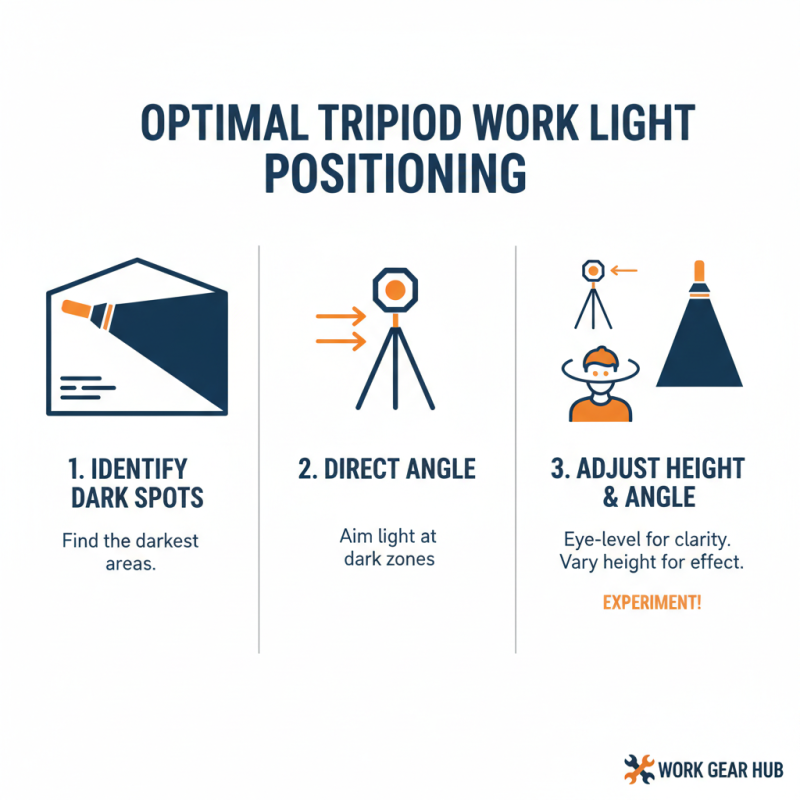
When positioning your tripod work light, consider the area you are illuminating. A well-placed work light can make a significant difference in visibility. Start by identifying the darkest spots in your workspace. You'll want to angle the light so it hits those areas directly. Positioning the light at eye level often yields the best results. However, adjusting the height can provide different lighting effects. Experiment with various angles to see what works best for your specific needs.
Be mindful of shadows created by your setup. Sometimes, the light can cast unwanted shadows if not adjusted properly. Assess the way light interacts with objects around you. Moving the light as little as a few inches can change the entire atmosphere. It's easy to overlook small adjustments, but these can lead to dramatic improvements.
Finally, monitor the light's temperature. Some lights can become warm, affecting nearby materials. Ensure that your light placement does not pose any hazards. Testing different setups can reveal what enhances visibility and minimizes glare. Continuous adjustments may be necessary as the task changes or as the day progresses.
Safety Tips for Using Tripod Work Lights in Various Environments
Using tripod work lights can greatly enhance visibility in various environments.
However, safety should always come first. Before setting up, inspect the area for hazards.
Look for uneven surfaces or obstructions that could cause tripping. Ensure the light's power cord is properly secured
and away from foot traffic. Uncoiled cords can be slippery, leading to accidents.
When positioning your tripod light, avoid placing it directly under or near flammable materials. This includes paper,
cloth, or even chemicals. Use the light at a safe distance to minimize fire risks. Additionally, consider the
height and angle of the light. Proper placement helps prevent glare and shadows, providing even illumination.
In outdoor settings, securing the tripod is vital. Wind can easily knock it over. Use weights or stakes to anchor
the light. It’s a simple step for increased stability. Also, keep a watchful eye on weather conditions. Rain and
moisture can damage the light and create electric hazards.
Regularly check for wear and tear. Addressing small issues promptly can prevent larger problems later on.
Maintaining and Caring for Your Tripod Work Light for Longevity
Maintaining a tripod work light is essential for ensuring its longevity and performance. Start by regularly checking the light bulb for any signs of wear. Replace any burnt-out bulbs immediately to avoid further damage. Dust and dirt can accumulate on the lamp and tripod. Use a soft cloth to gently wipe down the surfaces. This simple step can prevent overheating and improve efficiency.
When storing your tripod work light, choose a dry place. Moisture can cause electrical components to corrode. Be sure to collapse the tripods correctly. Misalignment can lead to mechanical issues over time. Always check the power cord for any frays or damage before each use. Neglecting this step can result in short circuits or even electrical fires.
Consider investing time in learning about the features of your work light. Understanding how to use each setting can enhance your lighting experience. Many users overlook this. Experimenting with different heights and angles can achieve the best results. Each environment may require adjustments. Regular maintenance and a bit of knowledge can go a long way in keeping your equipment in top shape.