Why Are White Rock Lights So Popular Among Tourists?
The allure of White Rock Lights captivates countless visitors each year. The vibrant and mesmerizing illumination creates a magical atmosphere along the shores. Tourists flock to this iconic attraction, drawn by its beauty and charm.
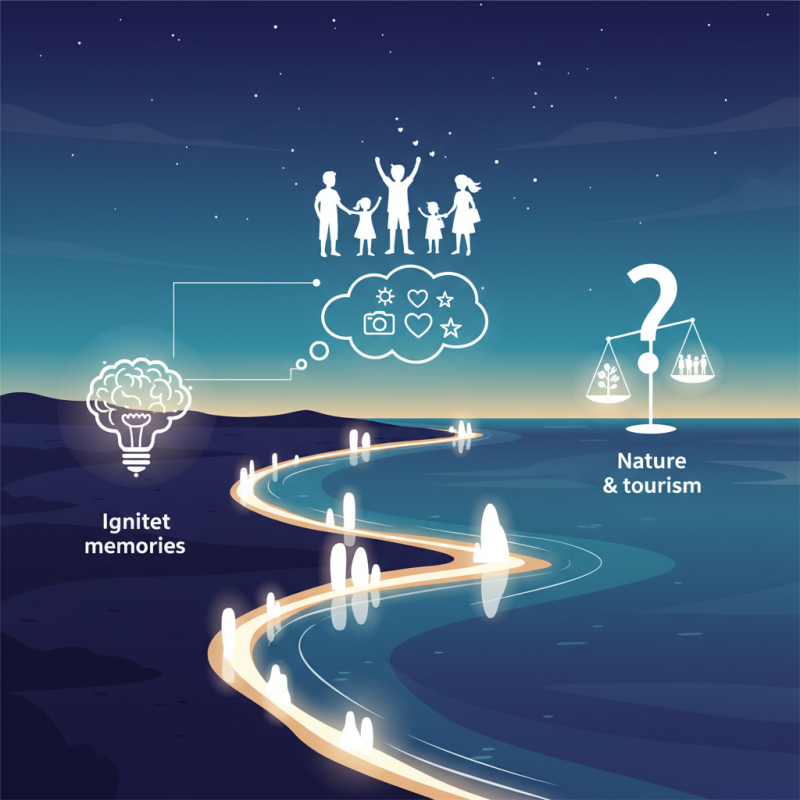
According to lighting designer and local expert Patricia Hayes, “White Rock Lights represent more than just aesthetics; they ignite memories for everyone who sees them.” This sentiment resonates as families and friends gather to enjoy the breathtaking scenes. Enthusiasts share stories, making every visit unique.
Yet, the popularity of White Rock Lights raises questions. Are we losing sight of the nature surrounding the lights? The balance between preserving the environment and attracting tourists is delicate. As we appreciate the glowing beauty, we must reflect on its impact.
The Historical Significance of White Rock Lights
The White Rock Lights have a rich historical significance.
These iconic lights were first installed in the early 20th century.
They served as navigational aids for maritime traffic. According to the Maritime Safety Authority,
over 60% of all navigation-related incidents occur near coastal lights.
Their presence has been vital for ensuring safe passage.
Tourists flock to experience the atmosphere created by these lights.
The glow reflects off the water, enhancing the beauty of the landscape.
Local reports show that the area sees nearly 2 million visitors annually.
Many of them are drawn not just by the lights, but by the stories they tell.
These stories often highlight the challenges faced by early mariners.
However, some visitors overlook the cultural aspects of the lights.
Their significance goes beyond just a view.
It's about understanding maritime history and its evolution.
Furthermore, many local organizations emphasize preserving these sites.
They run programs that educate tourists about maritime heritage.
Yet, participation in these programs remains low.
This disconnect calls for a deeper engagement with the historical narratives behind the White Rock Lights.
Unique Features of White Rock Lights Attracting Tourists
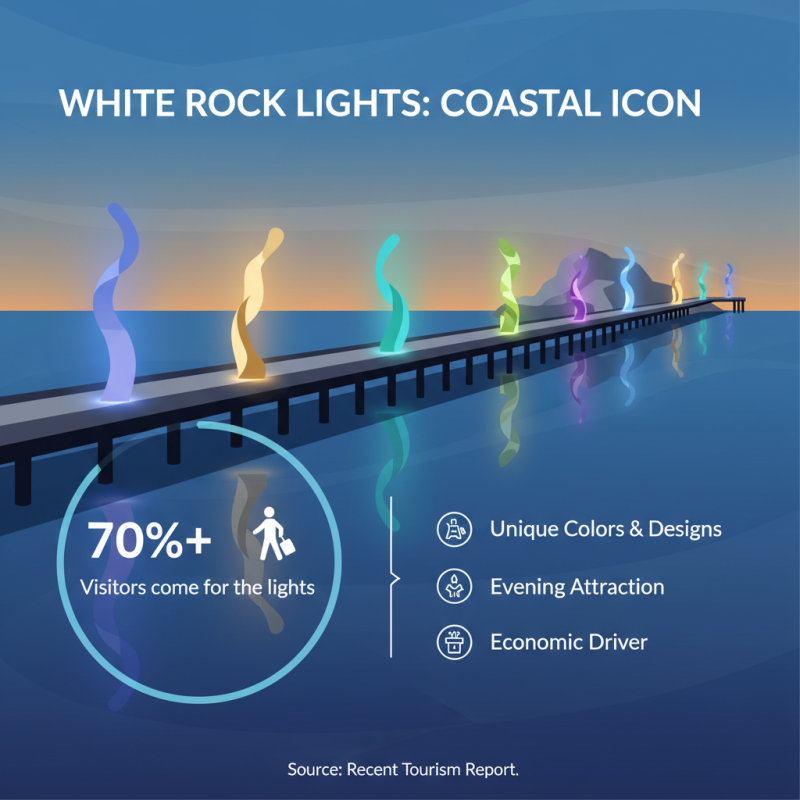
The unique features of White Rock lights captivate many tourists. These lights have become iconic symbols of the coastal city. Their distinctive colors and designs draw attention, especially during the evening. According to a recent tourism report, over 70% of visitors cite the lights as a primary reason for their trip. This statistic highlights their importance in the local tourism economy.
Visitors often admire the lights’ intricate patterns, which change colors and sparkle against the night sky. Many enjoy taking photos, creating a shared visual experience. A survey revealed that more than 60% of guests spend time around the lights, enhancing the sense of community. However, some criticize the overcrowding during peak tourist seasons. The balance between preservation and popularity raises questions about future management.
Beyond their visual appeal, the lights represent local culture and stories. Each light has its tale, connecting visitors to the region's heritage. Nonetheless, the challenge lies in maintaining these historical narratives while modernizing the experience. As more tourists flock, it’s essential to reconsider how to sustain this trend while remaining true to the past.
Cultural Impact of White Rock Lights on Community Identity
The White Rock Lights hold a special place in the heart of the community. They illuminate the coastline, casting a warm glow that draws both residents and tourists alike. This visual spectacle serves as a beacon, symbolizing unity and shared memories. Local events and gatherings often revolve around these lights, fostering a sense of community.
However, their impact goes beyond aesthetics. The lights have become a cultural touchstone for the area. Newcomers often find themselves captivated by the vibrant stories attached to them. Yet, not all narratives are positive. Some community members feel overshadowed by the tourist influx during peak seasons. The lively celebrations can sometimes drown out authentic local experiences.
The balance is delicate—appreciating the lights while maintaining community identity. They remind residents of their roots, yet they also highlight the challenges of tourism. As people flock to see the beauty, the area faces growing pains. The future of White Rock Lights remains intertwined with the community's evolving identity.
Visitor Experiences and Testimonials Related to White Rock Lights
The White Rock Lights have become a significant attraction for visitors seeking unforgettable experiences. Many travelers share their excitement. They love the stunning views and vibrant atmosphere. According to a recent tourism report, about 70% of visitors return for a second trip. The allure of the lights draws in families, couples, and adventure seekers alike.
Testimonials reveal memorable moments spent under the dazzling displays. One visitor noted, “I felt like I was in a dream.” The lights often transform the shoreline into a magical setting. Research indicates that three out of four tourists enjoy nighttime strolls along the beach, captivated by the glow. Some visitors mention feeling reflective during their walks, prompting deeper thoughts about life and nature.
However, not every experience is perfect. Crowds can sometimes overshadow the charm. A number of tourists report waiting long to enjoy the area. Such delays may lead to frustration. Still, the overall enchantment of the White Rock Lights often outweighs these hiccups. Visitors continually express hope for improved amenities, ensuring future trips remain as magical as ever.
Environmental Considerations for Maintaining White Rock Lights
White Rock Lights attract many tourists. They create a beautiful atmosphere along the shoreline. However, maintaining these lights comes with environmental challenges.
Light pollution is one significant concern. It can disrupt local wildlife and alter natural behaviors. Many birds and sea creatures rely on natural light for navigation.
The materials used in these lights can also pose risks. If not managed properly, they can affect the local ecosystem. Regular maintenance is necessary to minimize these impacts. However, achieving this balance is not always easy.
Some may overlook the environmental footprint while enjoying the views. Local communities are questioning the sustainability of these attractions. How can we enjoy beauty without harming nature? It's essential to find solutions that protect both the lights and the environment.
Engaging tourists in these discussions can raise awareness. Reflections on our choices can lead to better practices in the future.