What is a Switch Panel and How Does It Work?
A Switch Panel is an essential component in various electronic devices and systems. It serves as the interface for controlling power, lights, and other functions. Understanding how a Switch Panel works can improve your ability to operate these devices effectively.
Switch Panels come in many designs and configurations. For instance, a simple panel might control lights in a home. A more complex model could manage multiple functions in a vehicle or machinery. Each switch interacts with a circuit, allowing users to turn devices on or off. However, inefficiencies or malfunctions may arise. Sometimes, users forget which switch controls what. This can lead to frustration.
Reflecting on the usability of a Switch Panel is crucial. Poorly labeled or organized panels create confusion. Familiarizing yourself with the layout can help. Regular maintenance ensures that each switch functions properly. Understanding the mechanics behind a Switch Panel enhances user experience and safety. Always be mindful of how you interact with these controls.
What is a Switch Panel?
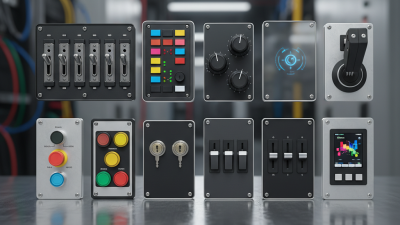
A switch panel is a crucial component in various electronic systems. It serves as a control interface for users, allowing them to manage multiple functions efficiently. Typically found in vehicles, homes, and industrial settings, switch panels can have various configurations. They may include toggles, buttons, and dials.
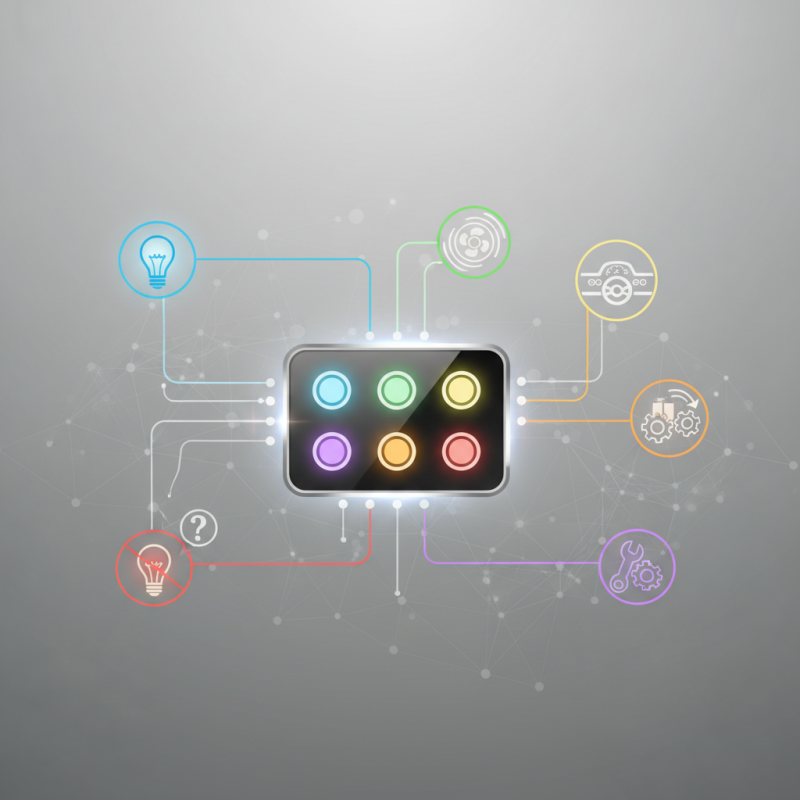
Switch panels work by connecting the user's commands to electrical circuits. When a switch is activated, it completes a circuit, allowing current to flow and operate an electrical device. This simplifies control over lights, fans, and machinery. The design can vary widely to suit specific needs.
Tips: When installing a switch panel, ensure proper labeling of each switch for easy identification. This helps avoid confusion, especially in emergency situations. Regularly check connections to prevent any malfunction. A poorly maintained switch panel can lead to unexpected failures, causing delays and frustrations.
Versatility is key; customizing the layout can enhance usability. However, consider the ergonomics and placement of each switch. A cluttered arrangement may hinder quick access during crucial times. Always reflect on the functionality to improve your setup.
Understanding Switch Panel Usage in Different Applications
Components of a Switch Panel
A switch panel is a vital component in many electrical systems. It allows users to control multiple devices from one location. Understanding its components can help simplify your setup.
The main components include switches, indicators, and terminals. Switches are the primary controls. They can be toggles, buttons, or rotary types. Indicators show the status of devices. For instance, a light may indicate whether a machine is on or off. Terminals are where the wires connect. They ensure a safe and stable electrical flow.
Tips: Always check for compatibility when selecting components. Ensure switches can handle the required voltage and current.
Wiring is another essential element. Proper wiring ensures efficiency in operation. It should be neat and organized to prevent confusion and accidental disconnections. Disorganized wiring can lead to malfunctions.
Tips: Label your wires. This simple action can save time during troubleshooting. Always use quality materials. Cheap components may lead to frequent repairs.
How Does a Switch Panel Function?
A switch panel serves as a central control interface for various electrical devices. Its main function is to allow users to operate multiple circuits from one location. Users can easily turn lights on and off or control appliances. The layout can include toggles, push buttons, or sliders, depending on the design. Each switch connects to a specific circuit, enabling direct control over connected devices.
When a switch on the panel is activated, it completes a circuit. This sends an electrical signal to the connected device, triggering its operation. Whether it's turning on a light or activating machinery, the process is straightforward. However, the switch panel must be correctly wired to avoid malfunctions. Mistakes in installation can lead to short circuits or device failures.
Understanding how a switch panel works can reveal design flaws in your setup. Are all switches responsive? Do any connections feel loose? Regular checks can prevent bigger issues. Observing how the panel functions in daily use can highlight areas for improvement. Adapting a switch panel to meet your specific needs can be a rewarding project.
Applications of Switch Panels
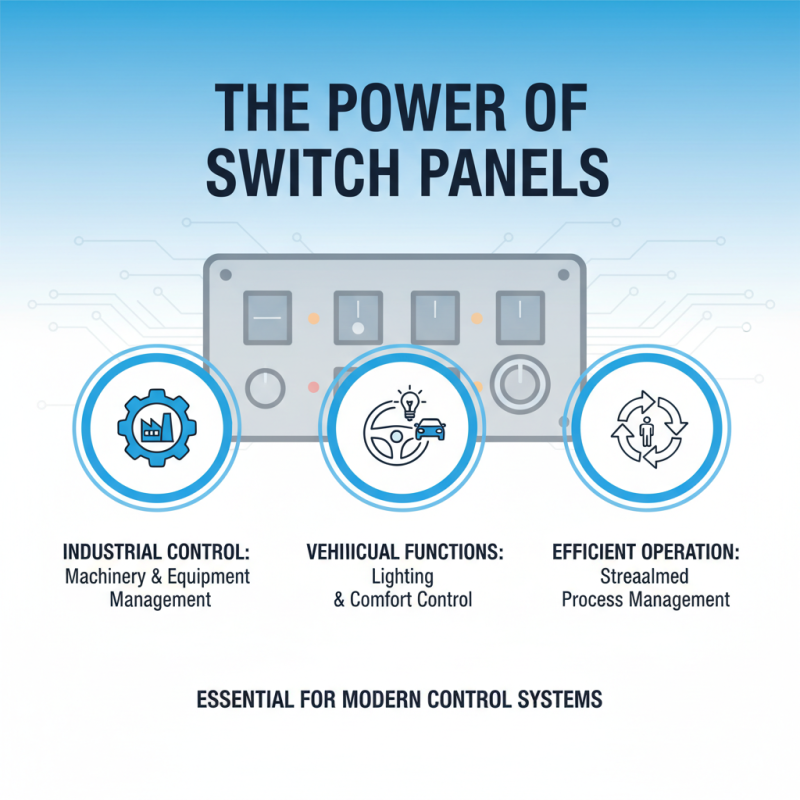
Switch panels play a vital role in various applications. They are commonly found in industrial settings, where they control machinery and equipment. Operators use them to manage processes efficiently. Switch panels are also used in vehicles, allowing drivers to control lighting and other functions easily.
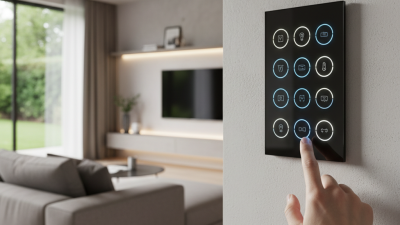
In home automation, switch panels enhance convenience. They enable users to manage different areas of their homes with a single touch. Imagine adjusting the lighting in your living room or controlling the thermostat from one place. However, not all switch panels are intuitive. Some designs can be confusing, leading to frustration.
Another interesting application is in renewable energy systems. Switch panels help manage power sources, like solar panels. They ensure a smooth transition between energy inputs. Despite their importance, the quality varies significantly. Some panels may not withstand harsh weather, which can lead to failures. It's essential to choose wisely and reflect on long-term functionality.
Common Types of Switch Panels
Switch panels are essential components in various electrical systems, providing workers with control over multiple circuits. Understanding the common types of switch panels helps in selecting the right one for specific applications. Typically, industrial switch panels come in three main types: manual, automatic, and smart panels.
Manual switch panels require human intervention for operation. They often feature toggle switches or push buttons. These panels are reliable for simple tasks, yet they lack automation. According to industry reports, about 40% of facilities still rely on manual operation due to lower initial costs. However, this type might lead to human error, which can be costly.
Automatic switch panels, on the other hand, integrate sensors and timers. They respond to conditions without manual control. For instance, they can activate lighting based on occupancy. Though they are more complex, studies show that they can reduce energy costs by up to 30% in commercial buildings.
Smart panels take this further, using IoT technology. They allow for remote monitoring and control. However, their setup can be daunting, and the system may require regular updates to maintain security. Failure to do so can expose vulnerabilities. Hence, organizations must weigh their options carefully.