Why is a Switch Panel Essential for Efficient Control Systems?
In modern control systems, the role of a Switch Panel cannot be understated. According to industry reports, over 60% of operational failures stem from inefficient control mechanisms. A well-designed Switch Panel enhances the reliability and efficiency of various applications, from manufacturing to automation. These panels allow operators to manage complex systems with ease, reducing the likelihood of errors.
An effective Switch Panel consolidates control functions. This integration minimizes the time spent on troubleshooting. Research indicates that companies with optimized control systems see a 30% increase in productivity. Moreover, the use of intuitive interfaces leads to faster training for new staff, ultimately saving more resources.
The reliance on Switch Panels grows as technology evolves. A poorly configured panel can hinder performance. It requires constant reflection and adaptation to ensure optimal function. The significance of a Switch Panel lies not just in its components, but in its ability to facilitate streamlined operations in an increasingly complex environment.
Understanding the Role of a Switch Panel in Control Systems
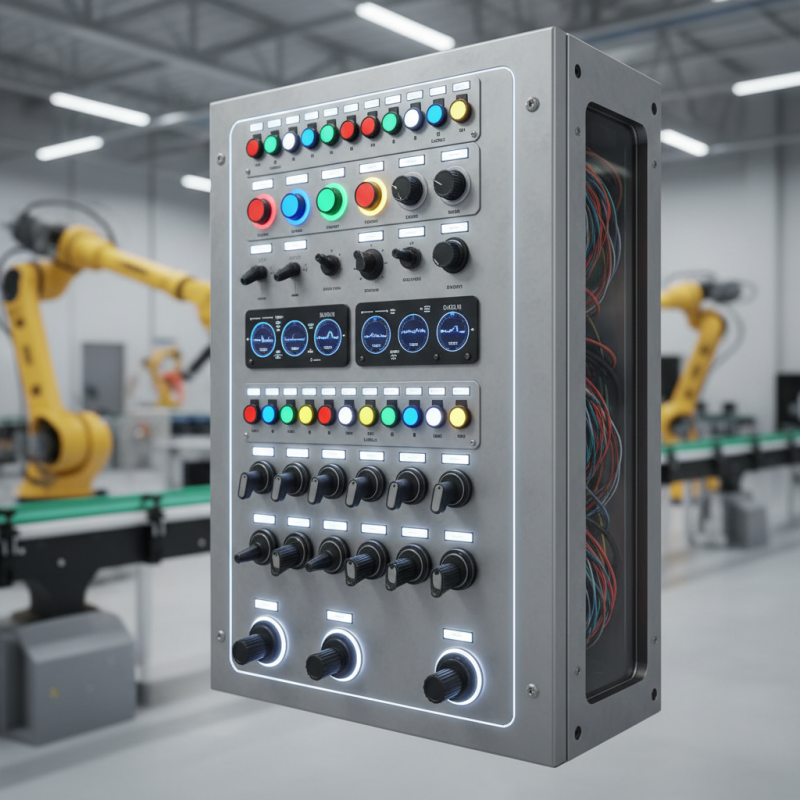
A switch panel plays a pivotal role in control systems, enhancing operational efficiency. It serves as the core interface for operators to manage various functions. According to industry reports, incorporating a well-designed switch panel can improve response times by up to 30%. This improvement significantly reduces the likelihood of operational errors, often stemming from confusion or miscommunication in complex environments.
Effective switch panels integrate clear labeling and intuitive layouts. This design approach minimizes the time required for operators to identify controls. Engaging in regular usability testing can help organizations pinpoint areas needing improvement. A recent study noted that companies investing in user-friendly switch panels reported a 25% increase in employee satisfaction. This indicates that ergonomics is not just a convenience but a necessity for productivity.
Tips: Always involve end-users when designing a switch panel. Their feedback can highlight critical features often overlooked. Including visual aids can further enhance understanding and usability. Periodic reviews of control systems can help ensure the switch panel remains effective and relevant as technology evolves. It’s important to remember that even minor design flaws can lead to significant operational delays. Frequent assessments can bridge these gaps.
Key Functions of Switch Panels in Enhancing Operational Efficiency
A switch panel plays a crucial role in operational efficiency. It consolidates control in one location. This simplifies the process for operators. Anyone can manage multiple systems from a single interface. This reduces confusion and enhances productivity.
Switch panels also improve safety. They allow quick access to power controls. In emergencies, operators can shut down systems instantly. This quick response can minimize hazards. Ensuring components are labeled clearly can further enhance function.
Tip: Regularly test switch panels to ensure proper functioning. Check for any wear and tear. Maintain a schedule for updates and inspections. Keep training sessions for users to enhance their comfort with the system.
Importance of Switch Panels in Control Systems
Components and Design Considerations for Optimal Switch Panels
When designing an efficient switch panel, several components must be considered. The layout should prioritize accessibility and ease of use. Ergonomically placed switches enhance user experience, reducing the risk of errors. For example, placing frequently used controls at the forefront can minimize time spent searching for them during operations.
Materials also play a crucial role in the design. A durable yet lightweight construction can improve functionality. For instance, using high-quality plastics or metals reduces wear over time, maintaining reliability. However, it’s essential to balance durability with cost-effectiveness. Sometimes, cheaper materials can compromise safety, leading to dangerous mishaps.
Additionally, color coding and labeling should not be overlooked. They aid in quick identification of controls, especially in emergency situations. Still, it can be easy to mislabel or use confusing colors. Regular assessments of these elements are necessary to ensure optimal performance. In creating an effective switch panel, the focus should not only be on aesthetics but also on practicality and safety.
Benefits of Integrating a Switch Panel into Modern Control Systems
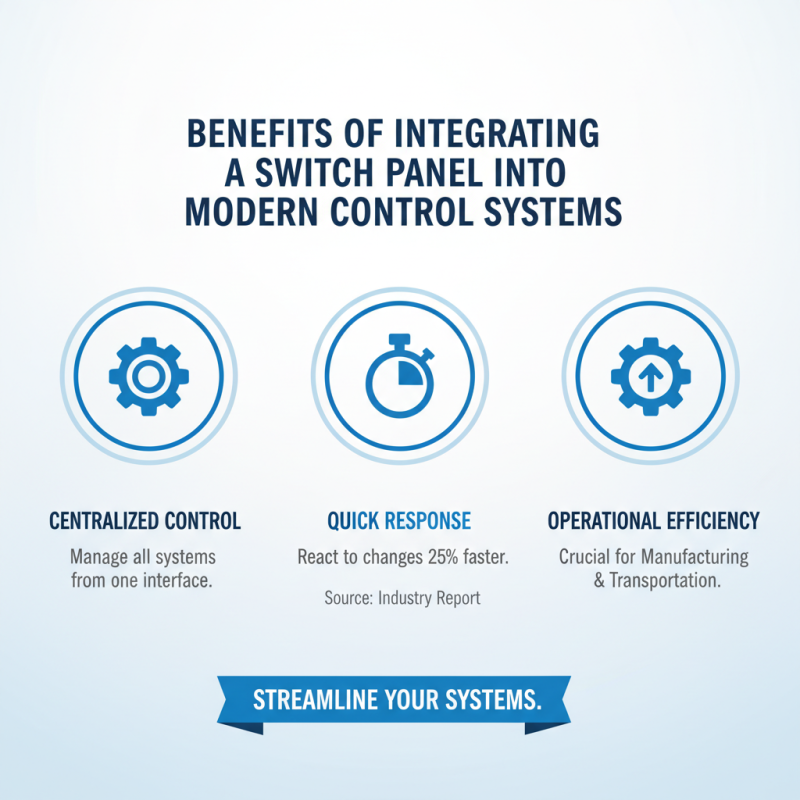
In modern control systems, integrating a switch panel is vital for operational efficiency. A switch panel allows for centralized control, enabling quick responses to system changes. According to a recent industry report, systems with effective switch panels reduce response times by up to 25%. This streamlining is crucial in sectors like manufacturing and transportation.
Adding a switch panel enhances system reliability. It decreases the likelihood of errors during operation, as operators can manage multiple functions effectively. A study showed that control systems with intuitive interfaces saw up to a 30% decrease in operator mistakes. This integration ultimately leads to a more productive environment.
**Tip:** Select a switch panel with ergonomic design features. This ensures comfort and ease of use during long operational hours. Additionally, regular training sessions for operators can promote better understanding and usage of these panels. Enhancing skills can significantly boost system performance.
Common Applications of Switch Panels in Various Industries
Switch panels are crucial in many industries. They provide a centralized system for controls, enhancing efficiency. In manufacturing, they allow quick response times, which is vital for productivity. A report by the International Society of Automation highlights that system efficiency can improve by up to 30% with proper control systems.
In the automotive sector, switch panels manage everything from lighting to engine diagnostics. An estimated 70% of automotive failures are linked to electrical systems. Effective switch panel designs can minimize these failures, leading to safer and more reliable vehicles. In HVAC systems, these panels regulate temperature and airflow. A well-designed control system can boost energy efficiency by 15%, according to the American Society of Heating, Refrigerating and Air-Conditioning Engineers.
Tip: Regularly review the layout of your switch panels. A cluttered design can lead to mistakes and slow operation. Also, consider user feedback for improvements. Another tip: ensure proper labeling of controls. Clear labeling reduces the chance of errors during critical operations. These practices enhance safety and efficiency in daily operations.
Why is a Switch Panel Essential for Efficient Control Systems? - Common Applications of Switch Panels in Various Industries
| Industry |
Application |
Key Features |
Benefits |
| Manufacturing |
Machine Control |
Tactile Feedback, Custom Layouts |
Increased Efficiency, Reduced Downtime |
| Automotive |
Dashboard Controls |
Ergonomic Design, Durable Materials |
Improved User Experience, Greater Safety |
| Aerospace |
Flight Control Systems |
High Reliability, Lightweight Design |
Enhanced Safety, Operational Efficiency |
| Energy |
Power Distribution |
Scalable Solutions, Remote Monitoring |
Cost Savings, Improved Control |
| Telecommunications |
Data Center Management |
Compact Design, Integrated Indicators |
Space Efficiency, Real-Time Updates |