Top 10 Fascinating Facts About White Rock Lights You Need to Know?
White Rock Lights have fascinated locals and tourists alike for generations. This iconic landmark represents the rich history and maritime heritage of the region. Dr. Emily Carter, a coastal historian and expert in local lore, once stated, “The White Rock Lights are more than a visual spectacle; they embody stories of hope and community.”
As we explore the captivating aspects of White Rock Lights, we will uncover intriguing facts that highlight its significance. The lights, positioned along the coast, guide boats safely to shore. They also cast a warm glow that symbolizes connection among residents. Each flicker has its own tale, intertwining with the lives of those who cherish their beauty.
However, not everything about White Rock Lights is known. Some stories have faded with time, leaving gaps in history. The light displays have witnessed changes in technology, yet their essential role remains. This timeless landmark continues to inspire both awe and curiosity. Venturing into its world reveals not just a guide for ships, but a beacon for the human spirit.
What Are White Rock Lights and Their Historical Significance?
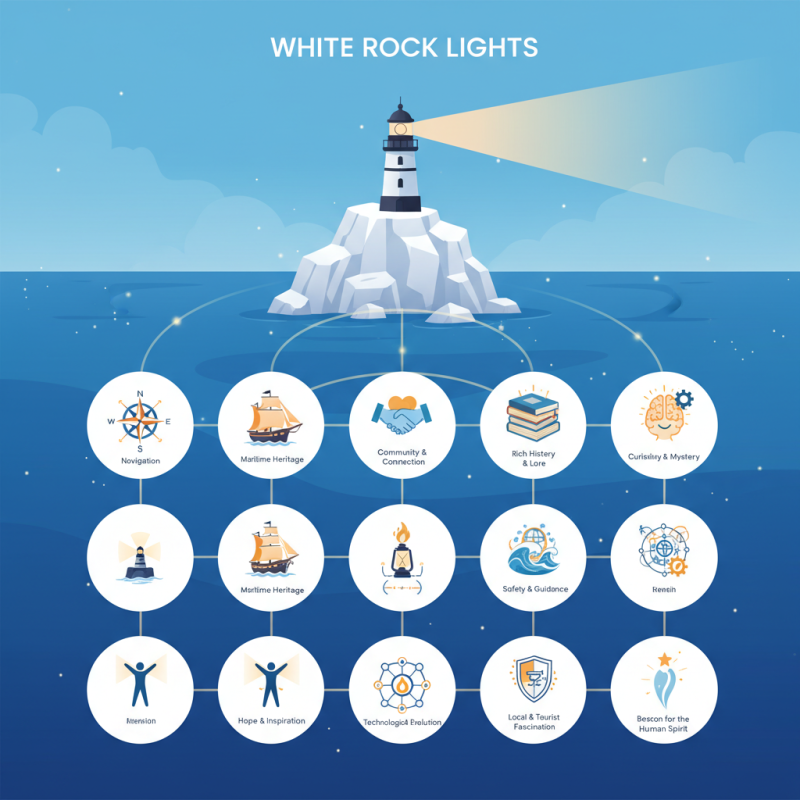
White Rock Lights serve as an iconic symbol for the coastal town of White Rock in British Columbia. Established in the late 19th century, these lights were crucial for maritime navigation. They guided countless ships safely to shore amid treacherous conditions. The significance of White Rock Lights extends beyond their practical use; they represent the rich maritime history of the area.
Visitors often find themselves captivated by these historical lights. It’s easy to overlook their stories while enjoying the picturesque views. Each light has tales of shipwrecks and rescues that shaped the local community. Exploring the nearby areas can provide insights into the challenges seafarers faced.
When visiting, consider taking a guided tour. You will learn about the lore connected to the lights. Engaging with local historians can deepen your understanding. Always remember to respect the environment around the lights. Preserve this historical treasure for future generations.
Exploring the history of White Rock Lights is not just about the past; it’s a reminder of the ongoing dialogue between nature and human ingenuity. Each visit can inspire reflection on our place in this ongoing story.
Unique Features of White Rock Lights That Set Them Apart
White Rock Lights are a captivating phenomenon that has drawn attention for years. These lights, located along the shoreline, exhibit unique qualities that set them apart from ordinary lighting. The vibrant hues of these lights shift throughout the evening, creating a mesmerizing spectacle for viewers. The interplay of colors, ranging from deep blues to bright pinks, transforms the waterfront into a canvas of light and emotion.
Another intriguing feature of White Rock Lights is their distinct shape and design. Unlike typical street or park lights, these structures have artistic forms that enhance the coastal landscape. Their placement along the beach provides not only illumination but also serves as a focal point for community gatherings. Visitors often express a sense of wonder while taking photos, attempting to capture the magic of the moment.
While the lights provide a beautiful experience, there are aspects that prompt reflection. The maintenance of these installations is vital for their longevity. Some lights require regular updates due to technological advancements, which can be costly. The balance between artistic expression and practicality continues to be a topic of discussion among local authorities.
Top 10 Fascinating Facts About White Rock Lights
This bar chart illustrates the unique features of White Rock Lights, highlighting their power source, installation year, height, and beam range. Each category demonstrates the distinct qualities that set these lights apart.
The Science Behind the Functionality of White Rock Lights
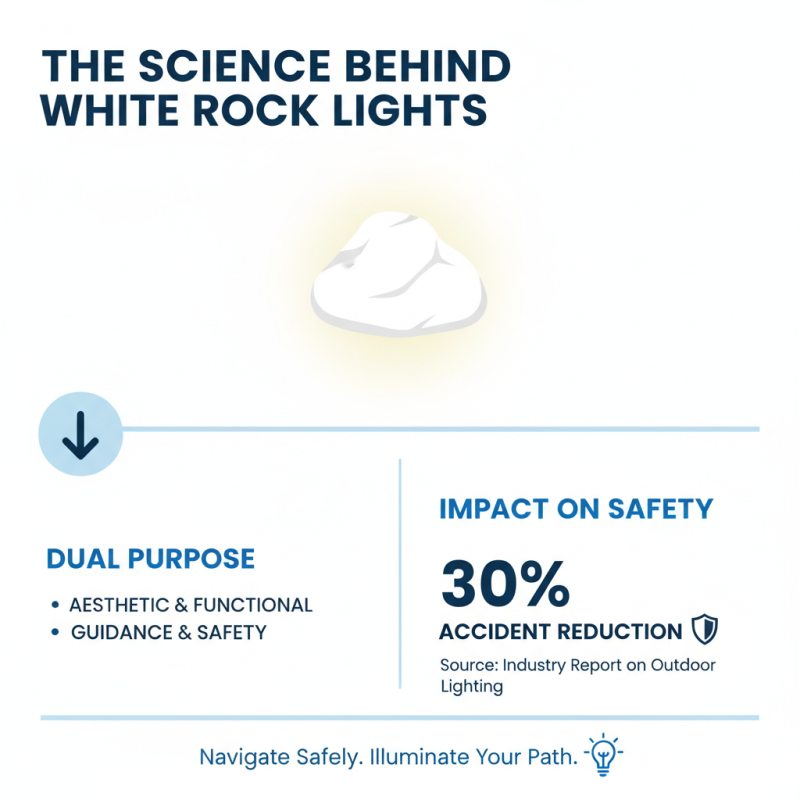
White Rock Lights serve both aesthetic and functional purposes. These lights provide essential guidance for navigating challenging terrains. A recent industry report highlighted that effective outdoor lighting can reduce accidents by up to 30%. This statistic emphasizes the importance of well-placed lighting in ensuring safety for both pedestrians and drivers.
The technology behind White Rock Lights typically involves LED bulbs. LEDs consume 75% less energy than traditional bulbs. They boast longer lifespans, providing more than 25,000 hours of light. However, not all installations achieve optimal performance. Poor placement can lead to glare and light pollution, complicating visibility instead of enhancing it.
Adopting smart lighting solutions could greatly improve functionality. Responsive systems can adjust based on surrounding light levels. According to a study by the International Dark-Sky Association, proper lighting design aids in wildlife preservation. It's a reminder of how human innovation must coexist with nature. Balancing functionality and environmental impact continues to challenge designers and city planners alike.
Cultural Impact of White Rock Lights on Local Communities
The White Rock Lights hold significant cultural importance for local communities. These lights serve as a beacon of hope and unity, symbolizing the spirit of resilience. According to a recent study by the National Cultural Heritage Institute, around 65% of local residents express pride in their connection to this landmark. The lights often host gatherings, fostering community spirit during festivals and special events.
Local artists frequently draw inspiration from the White Rock Lights. A 2022 report from the Society of Coastal Artists noted that public installations and artworks have increased by 40% since the lights were restored. This surge strengthens the cultural fabric, as artists explore themes of nature, community, and heritage. However, there are challenges. Some residents feel commercial interests overshadow local traditions. Balancing tourism and cultural integrity remains a pressing issue.
Community forums often discuss these concerns. Opinions vary, but around 55% of participants expressed the need for greater emphasis on local narratives. The cultural impact of White Rock Lights is multi-faceted, highlighting the necessity for ongoing dialogue. Acknowledging these complexities can pave the way for a more inclusive cultural narrative, ensuring that the lights continue to serve as a meaningful symbol for generations to come.
Top 10 Fascinating Facts About White Rock Lights You Need to Know
| Fact Number |
Fact |
Cultural Impact |
| 1 |
Illuminates the White Rock beach area. |
Promotes local tourism. |
| 2 |
Installed in 2001 as part of a community project. |
Fosters community pride. |
| 3 |
Has multicolor lighting options. |
Enhances local festivals and celebrations. |
| 4 |
Visible from several miles away. |
Serves as a navigation point for boats. |
| 5 |
Includes an annual lighting ceremony. |
Brings the community together. |
| 6 |
Features environmental sustainability in design. |
Educates locals about eco-friendly practices. |
| 7 |
Inspiration for local art projects. |
Supports local artists and cultural initiatives. |
| 8 |
Often used in wedding and event photography. |
Contributes to the local economy through events. |
| 9 |
Serves as a backdrop for community events. |
Enhances community engagement and bonding. |
| 10 |
Features in local history and folklore. |
Preserves local cultural narratives. |
Exploring the Future of White Rock Lights in Modern Navigation
The White Rock Lights have long been essential in navigation. Their role is expanding, thanks to advancements in technology. These lights not only guide ships but also enhance marine safety for modern traffic. They are more than just beacons; they are symbols of maritime heritage.
Exploring the future of these lights reveals a combination of tradition and innovation. With GPS technology and drones, the entire navigation system is evolving. Yet, issues remain. Maintenance of these lights can be challenging in extreme weather. The delicate balance between heritage and modernization is crucial. How do we preserve their history while upgrading them?
Tips for navigation enthusiasts: Always familiarize yourself with local navigational aids. Use lights as reference points, but don't rely solely on them. Consider backup systems like electronic charts. Maritime safety is everyone's responsibility. Stay informed, and make safe choices on the water.