Top 10 Switch Panel Types You Should Know About?
In the evolving landscape of industrial design, understanding various switch panel types is crucial. The global switch panel market is expected to reach USD 3.9 billion by 2026, reflecting a growing demand for efficient control systems. Industries are increasingly adopting advanced switch panel technologies to enhance functionality and safety.
Switch panels come in many forms, catering to diverse applications. From basic configurations to elaborate smart panels, each type has its unique features. As we explore these options, it’s essential to recognize that not every switch panel suits every environment. Some designs may lack adaptability, leading to inefficiencies in usage.
While innovations abound, the industry still faces challenges. Older panel designs often lack modern safety features. Users must critically assess their needs against available options. An informed choice can significantly impact operational efficiency and safety in the long run. Understanding the nuances of switch panels will empower users to make better decisions in their industries.
Understanding the Basics of Switch Panels
Switch panels play a vital role in various electrical systems. They provide a way to control multiple electrical devices from a single point. Understanding their types is crucial for selecting the appropriate one for your needs. There are different configurations and functions. Learning about them can help prevent future issues.
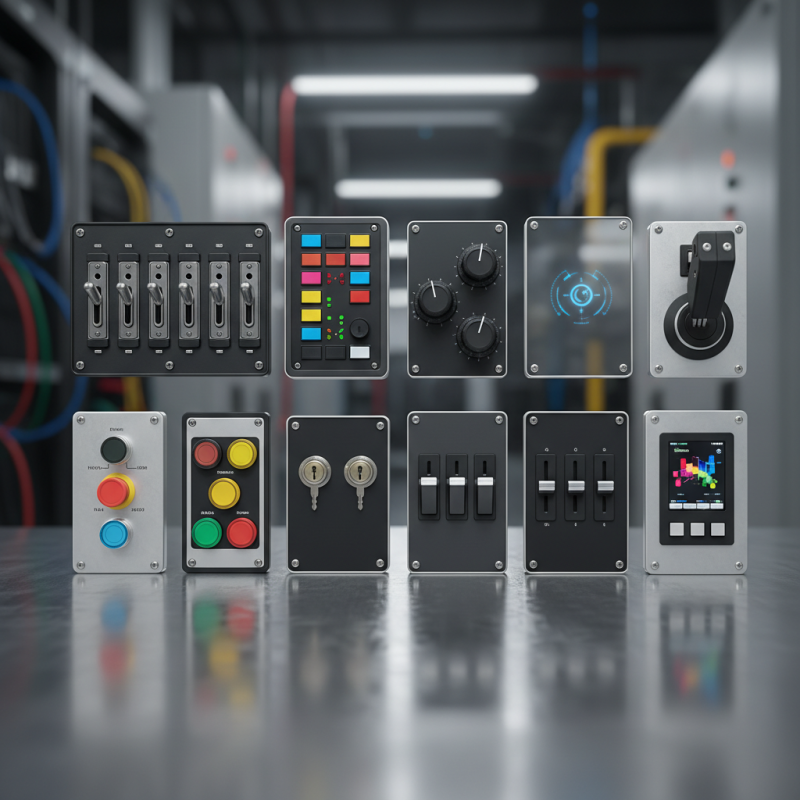
Among the basic types, you have toggle, rocker, and push-button switches. Toggle switches are common, allowing you to turn devices on or off easily. Rocker switches are usually wider, giving a more modern feel. Push-button switches can be momentary or latching, making them versatile for different applications. Each type serves a distinct purpose, but their effectiveness may depend on your specific requirements.
One might overlook the importance of quality and compatibility. A poorly chosen switch panel can lead to malfunction or even hazards. It's essential to consider the environment where the panel will be used. Factors such as moisture and dust could impact performance. Thus, ensuring proper ratings is key. Taking time to reflect on these aspects can save you frustration and promote safety.
Common Types of Switch Panels Used in Residential Settings
When it comes to residential settings, switch panels play a crucial role. They manage electrical circuits, enhancing safety and convenience. Homeowners often overlook the variety of switch panel types available. Familiarizing yourself with these can lead to better choices and improved home functionality.
One common type is the single pole switch. It's simple and effective for controlling a light from one location. Another option is the three-way switch. This allows control from two different points, making it ideal for hallways or large rooms. These types are often seen but not always appreciated. Sometimes, people don't realize how much easier a three-way switch can make their daily lives.
Dimmer switches are also gaining popularity. They allow users to adjust light intensity for mood and ambiance. However, not everyone understands their installation process. Miswiring can lead to flickering lights or even electrical hazards. Educating oneself about proper installation is essential. It's easy to overlook these details, but they are vital for safety. Considering all options makes for a more thoughtful decision when upgrading your home’s electrical system.
Commercial Switch Panel Variations for Business Applications
Switch panels are essential for commercial settings. They manage electrical distribution and improve safety. According to a report by MarketsandMarkets, the global switchgear market is projected to reach $120 billion by 2026. This growth reflects the increasing demand for efficient power management systems in various industries.
Different types of switch panels serve specific business applications. For example, modular switch panels allow for customization based on the operational needs of a facility. Businesses often face challenges when choosing the right type. Some panels might not support future expansions or require intricate installations.
Safety and reliability are vital, especially in commercial environments. A study by the National Fire Protection Association highlights that electrical failures cause numerous business fires annually. Therefore, selecting the appropriate switch panel is not just a technical decision; it impacts overall operational safety and efficiency. It's crucial for businesses to reassess their current setups regularly.
Top 10 Switch Panel Types You Should Know About
| Switch Panel Type |
Applications |
Number of Circuits |
Dimensional Specs |
Typical Use Case |
| Standard Switch Panel |
Residential & Commercial |
Single to Multiple |
4"x4" to 10"x10" |
Lighting Control |
| Dimmer Switch Panel |
Theater & Ambiance |
Single or Dual |
4"x4" |
Stage Lighting |
| Smart Switch Panel |
Home Automation |
Varies |
Standard Sizes |
IoT Integration |
| Panel with Indicator Lights |
Industrial Use |
Multiple |
8"x10" |
Machinery Control |
| Touch Screen Switch Panel |
Modern Offices |
Single to Multiple |
Varies |
Control and Display |
| Modular Switch Panel |
Flexible Spaces |
Variety |
Customizable |
Event Spaces |
| Weatherproof Switch Panel |
Outdoor Applications |
Varies |
Standard Sizes |
Outdoor Lighting |
| Rack Mount Switch Panel |
Data Centers |
Configurable |
1U to 4U |
Network Equipment |
| Remote Switch Panel |
Control Systems |
Single to Multiple |
Compact |
System Monitoring |
| Push Button Switch Panel |
Heavy Machinery |
Varies |
4"x8" |
Industrial Controls |
Advanced Switch Panel Types for Smart Home Integration
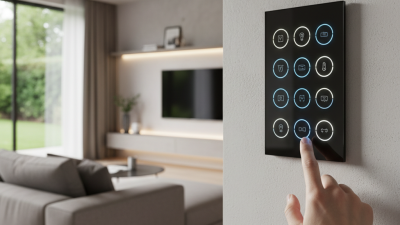
Smart home integration is becoming increasingly popular. Advanced switch panels play a crucial role in this trend. These panels facilitate seamless control over various devices. Imagine being able to adjust your lights, thermostat, and blinds all from one interface. This convenience transforms daily routines.
There are several types to consider. Touch-sensitive panels offer a sleek, modern look. Users can easily tap to control features. Voice-activated panels provide hands-free operation, which is ideal for busy households. However, they may not always understand commands correctly, leading to frustrations.
Wireless switch panels enhance flexibility. You can place them wherever you need. Yet, they sometimes suffer from connectivity issues. Smart dimmers offer adjustable lighting, creating the perfect ambiance. Each of these options requires careful thought and consideration. The wrong choice can lead to clutter rather than convenience. Balancing functionality and aesthetics is essential for a harmonious home environment.
Safety Features to Consider in Different Switch Panel Designs
When selecting switch panels, safety features play a crucial role. Different designs offer varied levels of security and protection. Look for panels that include automatic shut-off mechanisms. This feature helps prevent electrical fires by cutting power to devices during overload situations.
Another important aspect is the presence of surge protection. This is vital for safeguarding connected devices from power spikes. A panel with built-in surge protection can save you money on repairs and replacements. Check the specifications carefully to ensure you choose a reliable option.
Tips: Always prioritize quality insulation and weatherproofing in switch panels. Such features ensure durability and safety in demanding environments. It’s essential to regularly inspect the panels for wear and tear.
Consider potential risks and how the design minimizes them. Remember, even small design flaws can lead to significant safety issues, so choose wisely.