2025 Top 10 White Rock Lights for Your Ultimate Outdoor Experience
In recent years, the outdoor lighting industry has witnessed significant advancements, particularly in the realm of White Rock Lights. These innovative lighting solutions not only enhance the aesthetic appeal of outdoor spaces but also improve safety and functionality. According to a report by the Outdoor Lighting Association, the demand for energy-efficient and durable outdoor lighting has surged by 30% over the past year, reflecting a growing trend among homeowners to invest in high-quality lighting solutions that blend efficiency with style.
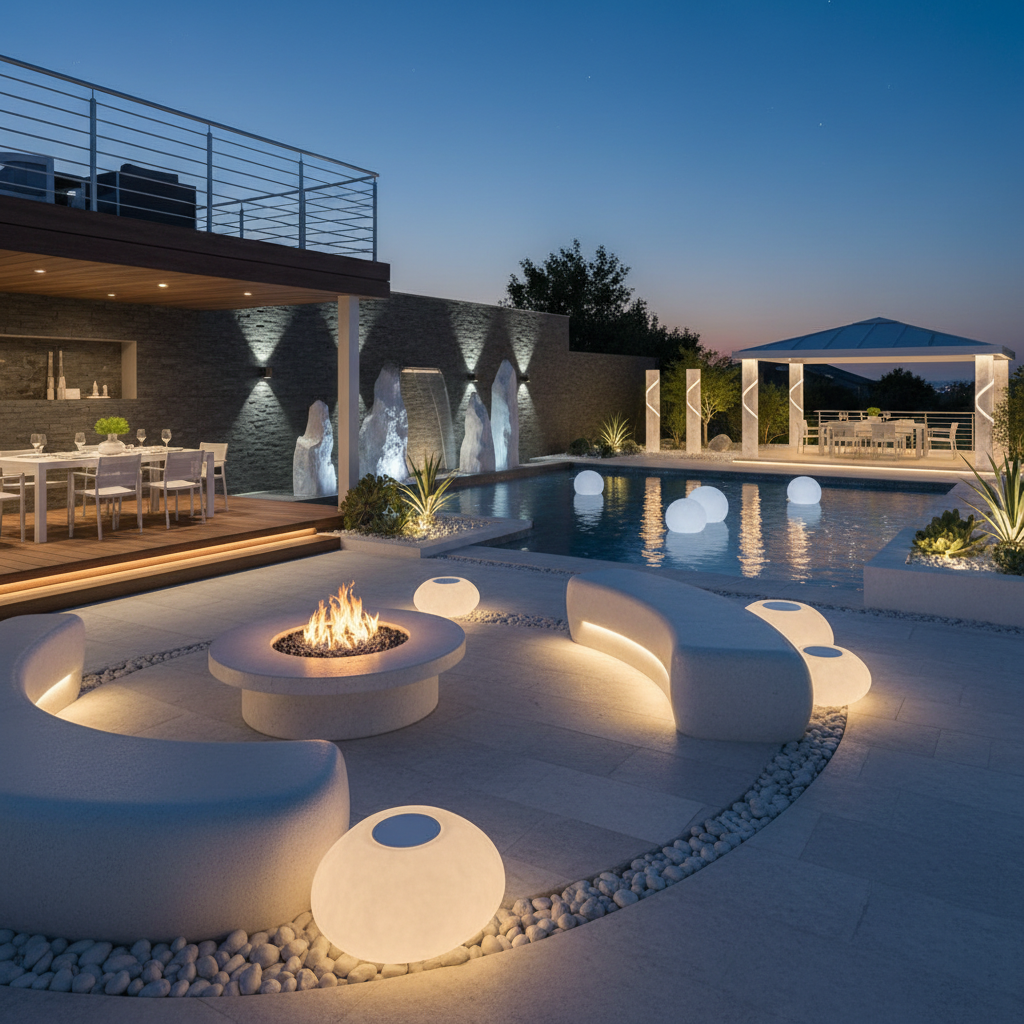
Expert David Johnson, a leading authority in outdoor lighting design, emphasizes the importance of choosing the right fixtures for optimal performance. He notes, "White Rock Lights are not just about illumination; they create an ambiance that transforms outdoor experiences, making gatherings more enjoyable and spaces more welcoming." His insights highlight the critical role that White Rock Lights play in enhancing outdoor settings, aligning with consumer preferences for both utility and aesthetic appeal.
As we explore the top 10 White Rock Lights for 2025, it is essential to consider factors such as brightness, design versatility, and energy consumption. These lights are redefining outdoor environments, providing homeowners with the ability to personalize their spaces while contributing to a more sustainable lifestyle. Embracing these cutting-edge lighting solutions can significantly elevate your outdoor experience, making it both functional and visually captivating.
The Future of Outdoor Lighting: Embracing Sustainability and Efficiency
As cities evolve, the future of outdoor lighting is being redefined through the lens of sustainability and efficiency. The LED Expo New Delhi 2025 highlights India's commitment to leading the charge in LED and smart lighting innovations. With urban areas increasingly prioritizing eco-friendly solutions, sustainable lighting technologies are essential in reducing carbon emissions. Reports suggest that by implementing intelligent lighting systems, cities can achieve up to 70% energy savings compared to traditional lighting methods, significantly impacting overall urban sustainability.
The concept of sustainable urban planning extends to various models that integrate environmentally conscious design. The Walkable City and Smart Growth City models emphasize efficient public transportation and mobility solutions that encourage reduced reliance on fossil fuels. Integrating advanced lighting systems within these urban frameworks plays a crucial role in enhancing functionality and safety, as well as supporting the aesthetic appeal of public spaces. Sustainable lighting not only illuminates pathways but also contributes to the overall ambiance, reflecting a city’s commitment to greener living.
Moreover, the global market for sustainable lighting continues to grow, projected to reach unprecedented levels in the coming years. According to industry forecasts, the Translucent Concrete Market, for instance, is anticipated to reach significant milestones by 2033, indicating a rising demand for innovative solutions that blend light with architectural creativity. As cities progress toward 2050, the integration of smart, connected lighting solutions will be vital in shaping environments that are both livable and sustainable.
Top 10 Innovative Features to Look for in White Rock Lights in 2025
When searching for the ideal white rock lights in 2025, innovative features play a crucial role in enhancing your outdoor experience. One standout is the integration of smart technology, allowing users to control lighting through mobile apps. This feature not only provides convenience but enables homeowners to set schedules and customize the brightness and color, transforming their outdoor space in line with everyday moods and events.
Another significant innovation to look for is energy efficiency, particularly through the use of solar-powered options that harness natural sunlight. These environmentally friendly lights reduce electricity costs and are increasingly designed with high-capacity batteries for longer illumination times. Additionally, look for weather-resistant designs that ensure durability against harsh environmental conditions. Together, these features make white rock lights a must-have accessory for creating captivating outdoor settings in 2025.
2025 Top 10 White Rock Lights for Your Ultimate Outdoor Experience
| Feature |
Description |
Innovative Aspect |
| Solar Power |
Environmentally friendly energy source with auto-charging. |
Sustainable and cost-effective. |
| Smart Control |
Remote app control for ease of use. |
Increased convenience and usability. |
| Color Changing |
Diverse lighting options for ambiance. |
Customizable mood settings. |
| Water Resistance |
Durable against weather elements. |
Reliable for outdoor use. |
| Motion Sensor |
Activates lights upon detection of movement. |
Enhanced security feature. |
| Adjustable Brightness |
User can set desired light levels. |
Energy-saving and flexibility. |
| Built-in Speaker |
Integrates music playback. |
Entertainment feature. |
| Easy Installation |
User-friendly setup process. |
No professional help needed. |
| Long Battery Life |
Extended use without frequent changes. |
Convenience and reliability. |
| Dimmable Features |
Allows reduction of brightness. |
Customizable lighting experience. |
Comparative Analysis of Energy Consumption: LED vs. Traditional Lighting Options
As outdoor experiences continue to gain popularity, the demand for efficient lighting solutions is on the rise. The global lighting fixture market is projected to reach $208.69 billion by 2025 and $344.17 billion by 2035, demonstrating a compound annual growth rate (CAGR) of 5.1%. This growth is significantly driven by advancements in energy-efficient technologies, primarily through the adoption of LED lighting.
In the realm of high bay lighting, the global LED high bay lighting market is expected to expand from a valuation of $3.52 billion in 2024 to $6.18 billion by 2033, with a CAGR of approximately 6.45%. This transition reflects broader industry trends toward sustainability, with LED lights consuming significantly less energy compared to traditional lighting options while offering longer lifespans and lower maintenance costs. Additionally, the automotive ambient lighting market is anticipated to grow from $31.07 million in 2025 to $52.60 million by 2033, with a CAGR of 6.8%, further emphasizing the shift toward LED solutions in diverse applications.
The comparative analysis of energy consumption highlights that LED lighting not only reduces energy costs but also minimizes environmental impact, making it the preferable choice for both residential and commercial outdoor settings. Consequently, investing in quality LED lighting systems enhances not only the aesthetic appeal of outdoor spaces but also aligns with sustainable practices crucial for future developments.
Enhancing Safety and Security: The Role of White Rock Lighting in Outdoor Spaces
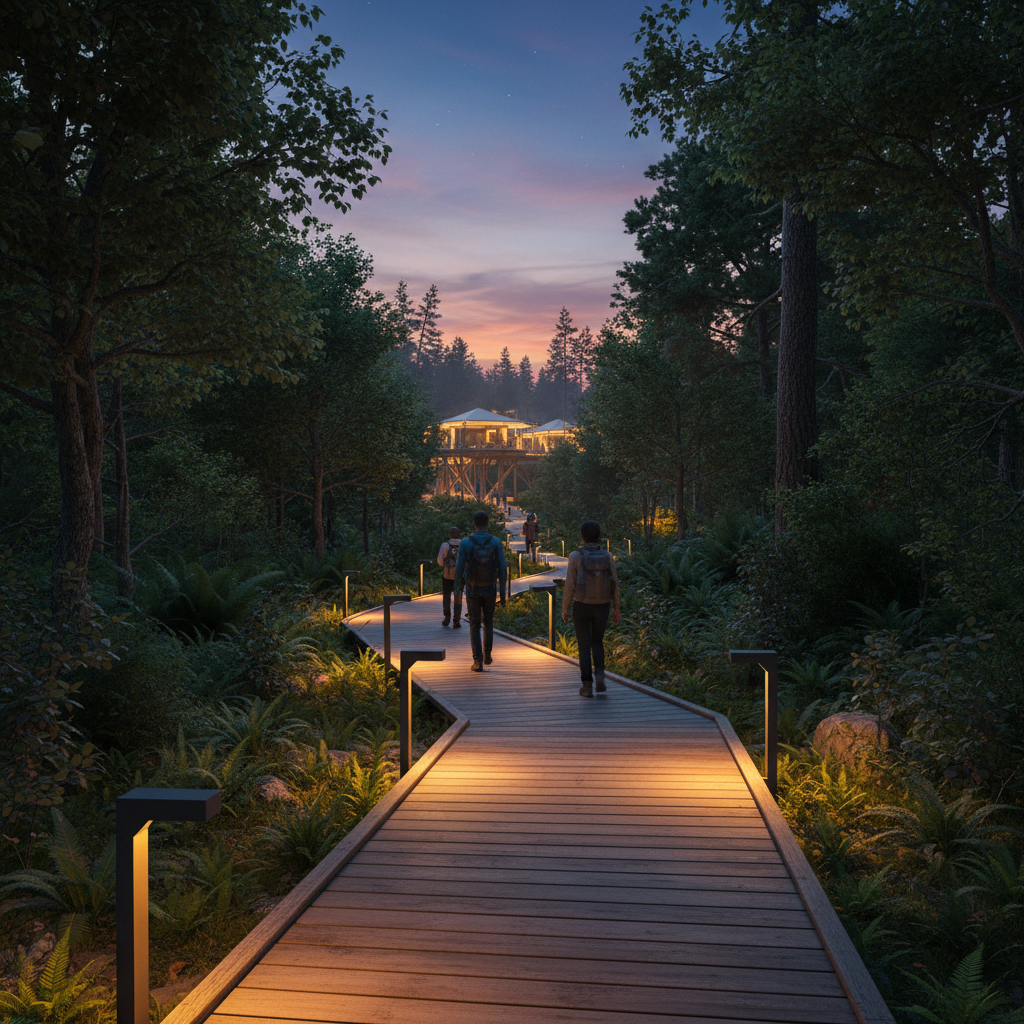
White rock lighting plays a crucial role in enhancing the safety and security of outdoor spaces. Properly illuminated areas not only deter potential intruders but also reduce the risk of accidents by providing clear visibility. Outdoor environments such as gardens, pathways, and patios benefit significantly from strategically placed white rock lights, which blend aesthetic appeal with practical illumination. These lights can effectively outline walkways, preventing trips and falls while navigating at night.
Moreover, the placement of white rock lighting contributes to a more secure environment by eliminating dark corners and blind spots that may otherwise encourage unwanted activity. The soft, ambient glow of these lights not only enhances the beauty of the outdoor setting but also instills a sense of safety for occupants and guests. In residential areas, well-lit outdoor spaces promote a welcoming atmosphere while deterring crime, making white rock lighting an essential feature for any homeowner looking to elevate their outdoor experience effectively.
Consumer Trends: What Users Really Want from Outdoor Lighting Solutions in 2025
The outdoor lighting landscape is rapidly evolving as consumer preferences shift towards smart, energy-efficient solutions. According to the latest TrendForce report, the LED lighting market is poised for significant growth, projected to reach an estimated value of $171.13 billion by 2033, a substantial increase from just $71.74 billion in 2024. This surge is largely driven by consumer demand for high-value-added products that incorporate smart technologies. As individuals increasingly prioritize sustainability and energy efficiency, the integration of IoT and AI in lighting solutions becomes essential for manufacturers looking to stay competitive.
In 2025, the market for smart lighting is expected to surpass USD 165.89 billion, indicating a robust expansion as both businesses and consumers adopt these innovative systems. Features such as adaptive brightness, remote control, and enhanced energy savings not only meet consumer demands but also align with global sustainability trends. As companies look to establish their foothold in this booming market, understanding and responding to the evolving needs of users will be crucial in shaping the future of outdoor lighting solutions.