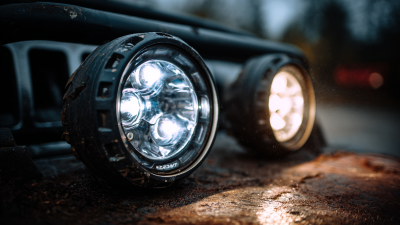
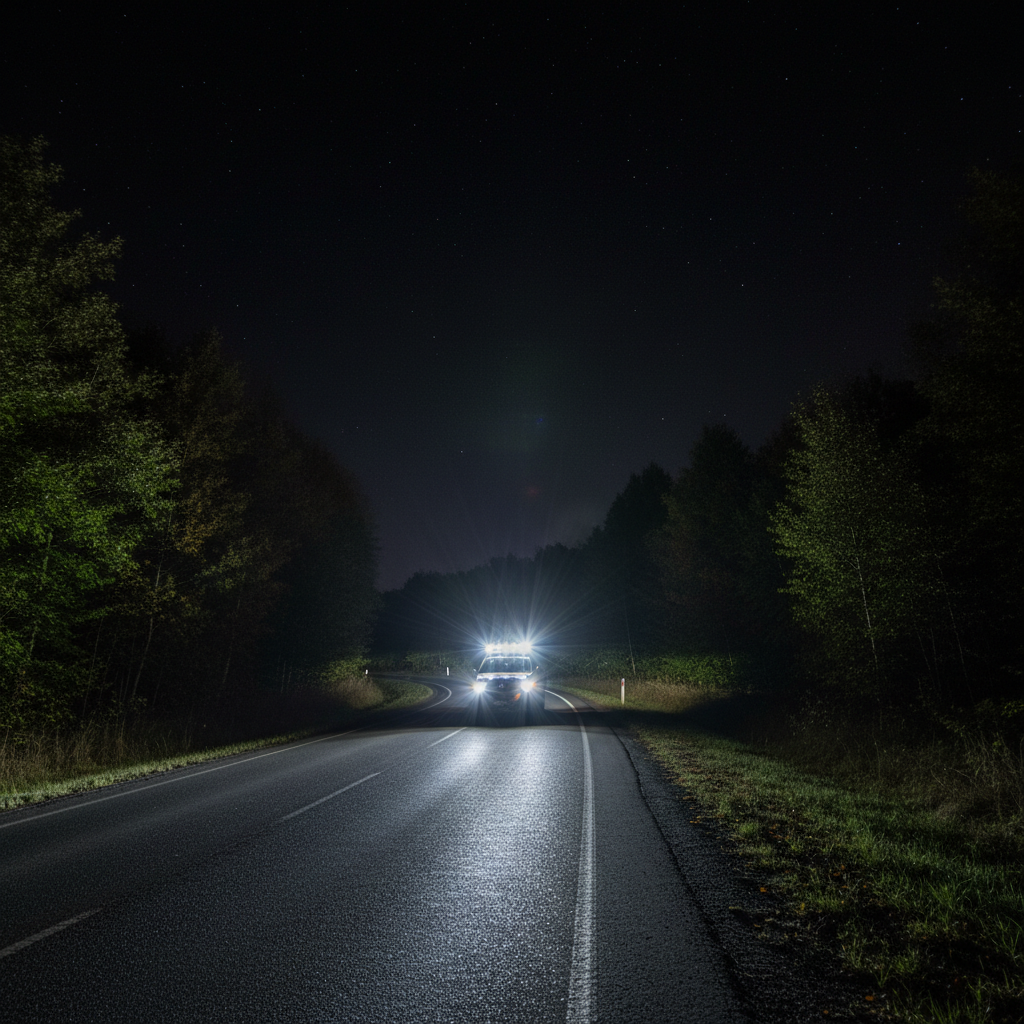
Top 10 Driving Light Options for Ultimate Nighttime Visibility
When it comes to driving in low-light conditions, the right lighting can make all the difference. According to automotive lighting expert, Dr. John Baker, “Investing in high-quality driving lights not only enhances visibility but also significantly improves safety on the road.” This emphasizes the critical role that driving lights play, especially during nighttime excursions or in adverse weather conditions.
In the realm of off-roading or rural driving, the importance of effective lighting becomes even more pronounced. Selecting the right driving light can be overwhelming given the varied options available today. Whether you are considering LED, halogen, or HID lights, understanding the unique features and benefits of each type is essential to make an informed choice that suits your specific driving needs.
In this article, we will explore the top 10 driving light options currently available, providing detailed insights and tips on maximizing nighttime visibility. From beam patterns to durability, discover which driving lights stand out as the best contenders for ultimate safety and performance on the road.
Types of Driving Lights for Enhanced Nighttime Clarity
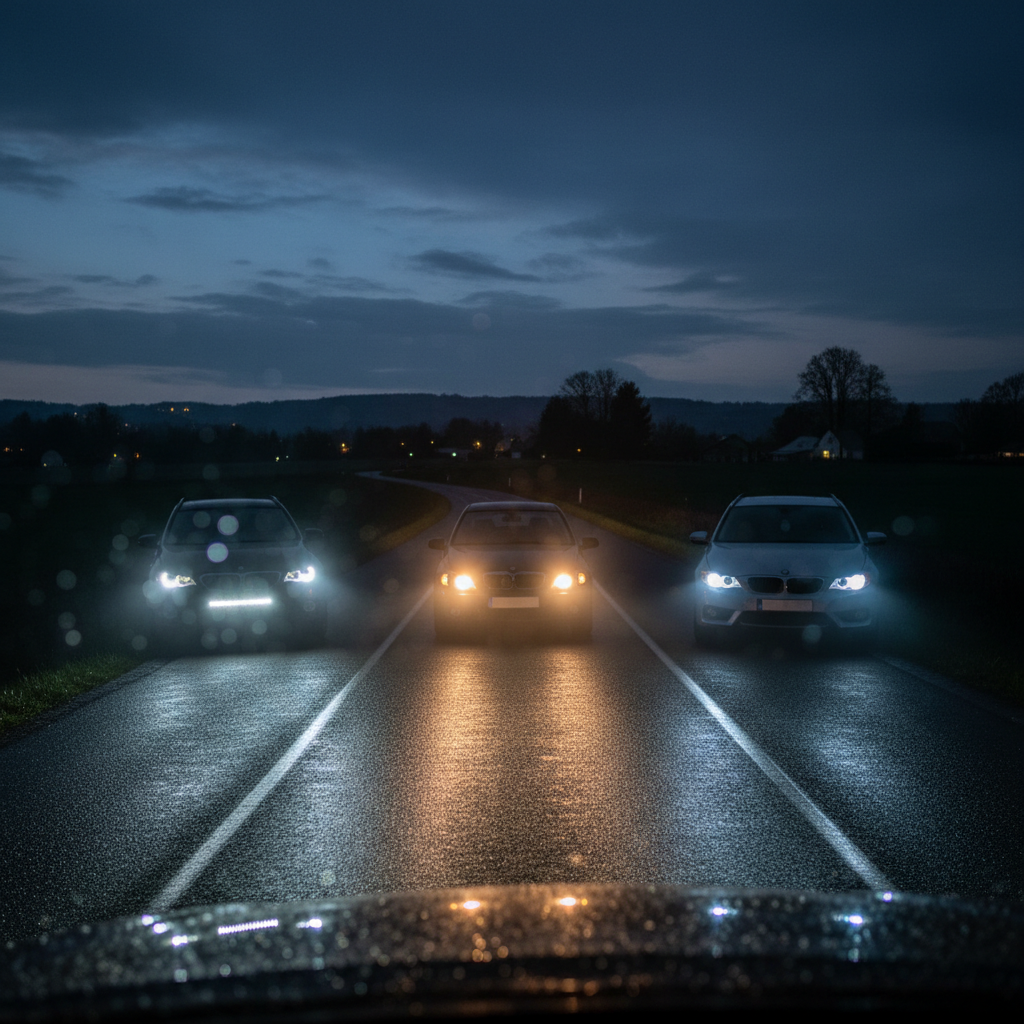
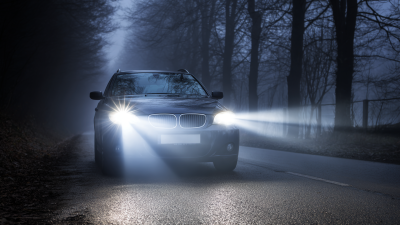
When it comes to enhancing nighttime visibility while driving, the type of driving lights you choose plays a crucial role. Among the most common options are LED driving lights, halogen lights, and HID (High-intensity Discharge) lights. LED lights are particularly favored for their energy efficiency and longevity, boasting a lifespan of up to 30,000 hours compared to halogen bulbs, which typically last around 1,000 hours. According to a report from the National Highway Traffic Safety Administration (NHTSA), well-illuminated roadways can reduce nighttime crash rates by up to 80%, underscoring the importance of investing in high-quality driving lights.
HID lights are known for their brightness and range, producing up to three times more light than standard halogen bulbs. This can be particularly advantageous in rural areas with minimal street lighting. Additionally, a study by the Automotive Lighting Association indicates that drivers using HID lights can improve their reaction time by approximately 30% in low-light conditions. Each of these lighting types has distinct characteristics tailored to specific driving needs, making it essential for drivers to consider their typical environments and personal preferences when choosing the best driving lights for enhanced nighttime clarity.
Comparison of LED, Halogen, and Xenon Light Technologies
When it comes to nighttime driving, having the right lighting technology can significantly enhance visibility and safety. LED lights have emerged as a popular choice due to their energy efficiency and long lifespan. They emit a bright, white light that mimics daylight, making it easier for drivers to spot obstacles and road signs. Additionally, LED lights require less power, which means less strain on the vehicle’s electrical system. Their durable construction also makes them resistant to shock and vibrations, perfect for off-road or rugged environments.
On the other hand, halogen lights are a more traditional option, prized for their warmth and affordability. They produce a yellowish light, which some drivers prefer for its softer illumination that can reduce eye strain. However, they tend to consume more energy and have a shorter lifespan compared to LEDs. Xenon lights, also known as HID (high-intensity discharge) lights, offer a middle ground, emitting a bright, blue-white light that provides excellent visibility. While they are more efficient than halogens, they can require additional ballasts and are often more expensive. Each technology has its pros and cons, making the choice dependent on personal preference, budget, and driving conditions.
Top 10 Driving Light Options for Ultimate Nighttime Visibility
Factors to Consider When Choosing Driving Lights
When selecting driving lights, several key factors should be taken into account to ensure optimal nighttime visibility.
One of the most critical aspects to consider is the light output, measured in lumens. According to a report by the Society of Automotive Engineers, driving lights that emit between
1,800 to 2,500 lumens provide the best balance between visibility and energy consumption.
This range allows drivers to illuminate the road without causing excessive glare for oncoming traffic.
Another important factor is the beam pattern. Different driving lights offer various beam patterns, such as spot,
flood, or a combination of both. A study by the International Light Association revealed that flood beams are better for
close-range visibility, while spot beams excel at long-distance illumination. Thus, assessing your driving needs—whether you often navigate through open highways or dense, winding roads—can influence
your choice of beam pattern significantly.
Tips: Always consider the durability of the driving lights as well. A robust design with shock and water resistance ensures longevity,
especially in harsh weather conditions. Additionally, opt for lights with adjustable mounting options, allowing you to customize the angle for maximum effectiveness.
Top Brands and Models for Optimal Nighttime Visibility
When driving at night, visibility is crucial for safety, making the choice of driving lights an essential consideration. According to a study by the National Highway Traffic Safety Administration (NHTSA), nearly 50% of fatal accidents occur in the dark, underscoring the importance of effective lighting systems. Brands such as Hella, KC Lights, and Rigid Industries offer advanced lighting technologies that enhance nighttime visibility significantly.
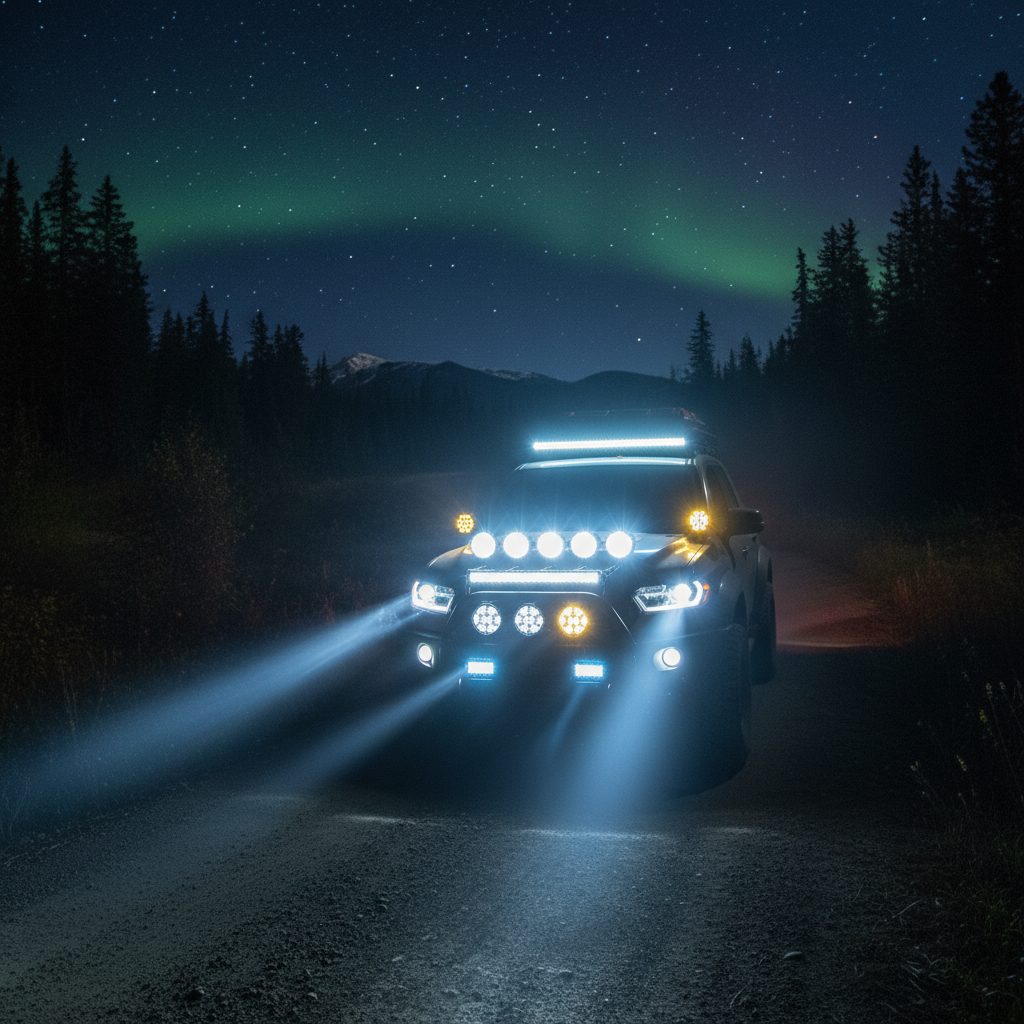
For instance, Hella's LED light bars boast an impressive lumen output, providing clear illumination across a wide area, even under extreme conditions.
Additionally, the popularity of high-intensity discharge (HID) lights has surged, noted for their ability to distribute light more effectively than traditional halogen bulbs. A report from the Automotive Lighting Market indicates that HID technology improves visibility by up to 300% compared to standard lighting solutions. Models like the Rigid D-Series and KC LZR series not only enhance visibility but also offer rugged durability, making them ideal for off-road adventures. With such advancements in lighting technology, drivers can ensure their nighttime excursions are as safe and enjoyable as possible, backed by products from top-tier brands dedicated to superior visibility solutions.
Installation Tips for Maximizing Driving Light Performance
When it comes to enhancing nighttime visibility, the correct installation of
driving lights can make a significant difference.
According to the AAA, nearly 50% of all road accidents
occur in low-light conditions, highlighting the importance of proper lighting. Ensuring that
driving lights are mounted at an optimal height and angle is crucial. Ideally, driving lights
should be installed to illuminate the road ahead without blinding oncoming traffic. A common
best practice suggests installing the lights at a height between 16 to 36 inches
off the ground, depending on the vehicle type, to maximize their range and effectiveness.
Additionally, wiring and electrical connections
are pivotal for optimal performance. Research from the Automotive Lighting Research Institute
indicates that poorly connected wiring accounts for about 30% of driving light failures.
Using high-quality connectors and ensuring all connections are secure
can significantly reduce issues. Furthermore, installing a relay system can
help manage the increased electrical load more effectively, allowing the lights to operate at their full potential.
Regular checks and maintenance of the lights, including cleaning and alignment adjustments, can enhance longevity
and functionality, ensuring drivers maintain a clear view on the roads during nighttime travels.