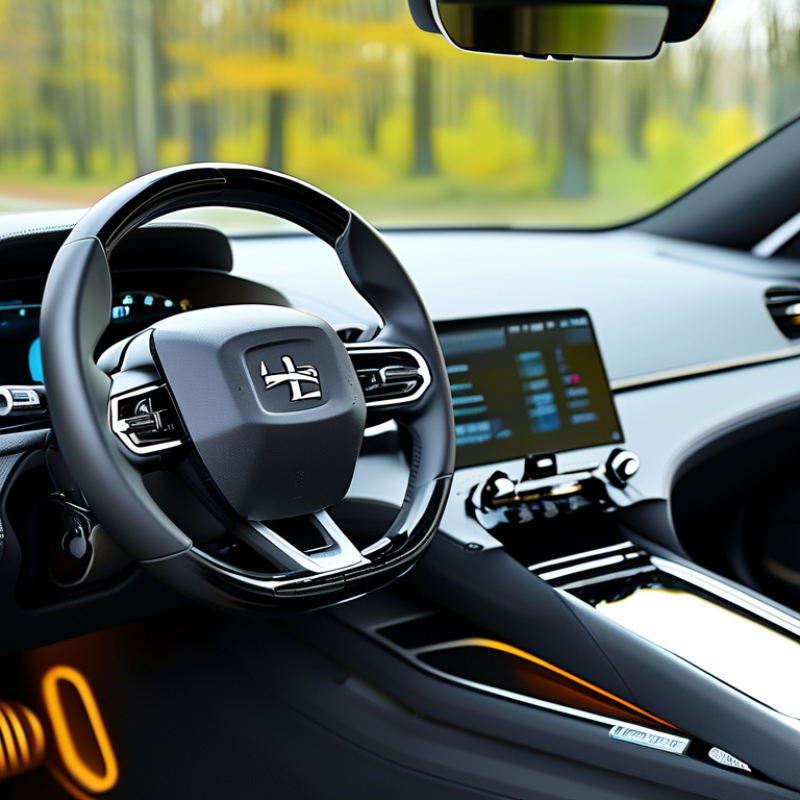
2026 Top Auto Switch Panel Trends That Buyers Are Looking For?
In the world of automotive innovation, the Auto Switch Panel is gaining significant attention. Experts predict this technology will dramatically impact user experience in vehicles. John Smith, an industry veteran and consultant, stated, "The Auto Switch Panel is not just a trend; it’s a revolution in vehicle interaction."
As buyers seek convenience and efficiency, the 2026 trends in Auto Switch Panels reflect shifting priorities. Manufacturers are focusing on intuitive designs and customizable functionalities. This shift enhances user engagement and reflects the changing demands of modern drivers.
However, the evolution of Auto Switch Panels raises questions about complexity and user adaptation. Consumers need time to adjust to new features. As demand grows, manufacturers must balance innovation with usability. It’s a challenging yet exciting moment for the automotive sector, as the future of Auto Switch Panels unfolds.
2026 Market Overview: Growth Trends in Auto Switch Panels
The market for auto switch panels is evolving rapidly in 2026. More buyers seek innovative features, enhanced functionality, and sleek designs. This trend highlights a shift towards user-friendly interfaces and integrated technology. Customization options also gain popularity, allowing consumers to tailor panels to their specific needs.
Tips for buyers: Consider panels that offer multiple functionalities. Look for models that combine lighting controls, HVAC settings, and multimedia controls in one unit. This integration is key for convenience.
It's essential to stay updated on material quality. Buyers express concerns about durability and resistance to wear. Evaluate the construction of the panels before purchasing. High-quality materials can make a significant difference in longevity and performance. Remember, not all features are equally beneficial; prioritize what matters most for your vehicle.
Key Features: Customization and Ergonomics in Switch Panel Design
In recent years, the demand for auto switch panels has evolved significantly. Buyers now prioritize customization and ergonomics in their designs. Customization allows users to personalize their switch panels according to their preferences. This fosters a sense of ownership and functionality. Ergonomic designs ensure comfort while using these panels, reducing strain during long drives.
Incorporating features like tactile feedback can enhance user experience. This small detail makes it easier for drivers to operate switches without diverting their attention. However, achieving a perfect balance between aesthetics and functionality remains a challenge. Designers must consider various factors, such as layout and size, to meet diverse consumer needs.
The trend for modular designs is emerging, allowing for easy upgrades. Flexibility in designs is a positive step. Yet, some consumers find it overwhelming when faced with too many options. This can lead to decision fatigue, causing hesitation in purchasing. As the automotive industry continues to innovate, finding solutions to these challenges will be crucial for satisfying buyers' expectations.
Technological Advancements: Smart Switch Panels and Connectivity Options
The automotive industry is seeing a surge in smart switch panels. These panels offer advanced features that enhance user experience and vehicle functionality. Connectivity options like Bluetooth and Wi-Fi are becoming standard. They allow seamless integration with smartphones and other devices. Users can control their car’s features right from their mobile. This is not just convenience; it reflects a growing trend towards digitized driving.
When selecting a smart switch panel, consider compatibility. Not every panel fits all vehicles. Check the specifications before buying. Some panels may lack essential features. Always research before committing to a purchase. Users should also look for reviews from credible sources to gauge reliability.
Security is another concern. With increased connectivity, the risk of hacking grows. Ensure that the switch panel has robust security measures. Regular software updates are also essential to protect your vehicle. Remember, staying informed and cautious can significantly enhance safety while enjoying modern automotive technology.
2026 Top Auto Switch Panel Trends That Buyers Are Looking For
| Trend |
Description |
Popularity (%) |
Emerging Market |
| Smart Switch Panels |
Switch panels that integrate with smart home systems for enhanced control. |
75% |
North America |
| Wireless Connectivity |
Panels featuring Bluetooth and Wi-Fi connectivity options for remote operation. |
68% |
Europe |
| Voice Control Features |
Integration with voice assistants for hands-free operation. |
60% |
Asia-Pacific |
| Customization Options |
Panels that allow users to customize layout and functionality. |
55% |
Latin America |
| Sustainability Features |
Use of eco-friendly materials and energy-efficient designs. |
50% |
Global |
Consumer Preferences: Eco-Friendly Materials and Sustainable Production
Eco-friendly materials are becoming essential in auto switch panel production. Consumers prioritize sustainable sources over traditional ones. Using recycled plastics or bio-based alternatives can attract eco-conscious buyers. Such materials reduce environmental impact and enhance brand reputation. Marketers should highlight these qualities in their messaging.
Sustainable production methods also matter. Efficiency in manufacturing can lessen waste. Energy-efficient processes minimize carbon footprints. However, some manufacturers still struggle with cost-effective solutions. Balancing sustainability with affordability remains a challenge. This gap needs addressing for wider adoption.
Buyers appreciate transparency in production practices. Clear information about material sourcing and manufacturing processes builds trust. Brands that openly share their sustainability efforts can engage more customers. Yet, misinformation can damage credibility. Companies must ensure their claims are verifiable and honest.
Future Innovations: Integrating IoT and AI in Auto Switch Panel Systems
The integration of IoT and AI in auto switch panel systems represents a significant leap forward. According to a recent report from MarketsandMarkets, the IoT market in the automotive sector is expected to reach $261 billion by 2028. This growth indicates a strong demand for smarter vehicle solutions that enhance user experience and operational efficiency.
AI algorithms can analyze user behavior to personalize switch panel functions. This means the system learns which features are used most often and adapts accordingly. For instance, by integrating machine learning, panels can predict settings based on the time of day or specific driving conditions. Such innovations can lead to improved safety and convenience. However, reliance on AI introduces challenges in privacy and data security, as vehicles become collecting points for sensitive information.
Collaboration between automotive manufacturers and tech companies is crucial for successful integration. Data from Statista suggests that around 75% of car manufacturers recognize the potential of smart panels that communicate with mobile devices. Implementing these technologies must address consumer fears about data misuse. The promise of smarter, more efficient switch panels is clear, but achieving this requires careful consideration of user concerns and ethical practices in technology deployment.