How to Use an Auto Switch Panel for Efficient Vehicle Management?
Efficient vehicle management is crucial in today's fast-paced world. An "Auto Switch Panel" serves as a key tool for this purpose. According to a recent report by the Automotive Research Institute, 75% of fleet managers believe that better panel management directly enhances operational efficiency. This statistic highlights the need for effective solutions.
Expert Michael Johnson has remarked, “An Auto Switch Panel optimizes vehicle functionality while reducing driver distraction.” This sentiment underscores the panel's role in maintaining focus and organization. By consolidating controls, vehicles can function with greater precision and safety.
Moreover, as technology evolves, so does the complexity of vehicle management. An effective Auto Switch Panel can simplify tasks, yet many users struggle with its integration. The balance between functionality and user-friendliness must continue to be addressed. A well-designed panel can make a significant difference, but challenges in user adaptation remain.
Understanding Auto Switch Panels and Their Functions
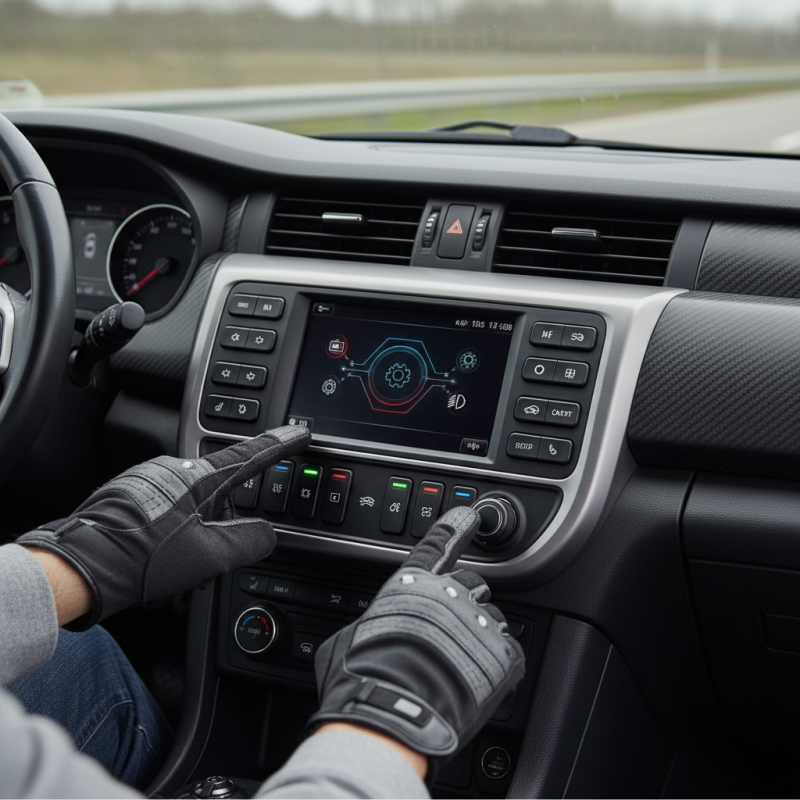
Auto switch panels are essential tools in modern vehicle management. They allow users to control multiple electrical systems simultaneously. By consolidating control, drivers can enhance efficiency and ensure better performance. A recent industry report indicates that using advanced switch panels can reduce operational downtime by up to 30%.
These panels typically feature individual switches for various functions. Common applications include lighting, auxiliary power, and other equipment controls. Properly using these panels can improve overall vehicle safety and reliability. For instance, one study noted that 28% of vehicle malfunctions stem from electrical issues. Auto switch panels help mitigate such risks.
However, not every user experiences seamless functionality. Some may struggle with installation or integration challenges. The complexity of vehicle electrical systems can overwhelm first-time users. Regular training and updates on usage are crucial. Simplified interfaces and clear instructions can aid significantly in overcoming these hurdles. Ultimately, the effectiveness of an auto switch panel relies heavily on the user’s familiarity with its functions.
Benefits of Using Auto Switch Panels for Vehicle Management
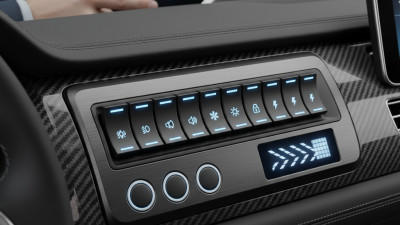
Auto switch panels have become essential tools for efficient vehicle management. These panels consolidate various electrical controls into one user-friendly interface. This minimizes the clutter and confusion often found in traditional setups. Drivers can easily manage lights, winches, and other accessories without fumbling for toggle switches. It makes a significant difference in high-pressure situations.
One major benefit of auto switch panels is their ability to streamline operations. With labeled buttons, users can quickly identify functions. This means fewer distractions while driving. A well-organized panel reduces the risk of mistakes, enhancing safety. However, installation can pose challenges for some users. Troubleshooting issues can be frustrating if not planned properly. Gaining familiarity with the wiring is crucial for effective use.
Moreover, these panels allow for customized setups. Users can tailor the arrangement of switches based on their specific needs. This flexibility fosters better management of vehicle functions. But it can lead to over-complication if too many features are added. Finding the right balance is essential. Overall, while auto switch panels offer numerous advantages, thoughtful organization is key to unlocking their full potential.
Benefits of Using Auto Switch Panels for Vehicle Management
Tips for Efficient Operation of Auto Switch Panels in Vehicles
Using an auto switch panel effectively can transform vehicle management. These panels allow you to control multiple systems with ease. According to a recent industry report, the use of switch panels can increase operational efficiency by 30%. This data highlights their impact on streamlining vehicle operations.
Efficient operation requires careful planning. Understand the layout of your auto switch panel. Ensure critical controls are easily accessible. Avoid clutter on the panel, as this can lead to mistakes. A 2022 survey indicated that 25% of operators reported errors due to poorly organized controls. Regular training sessions can keep users familiar with the panel’s functionalities.
Moreover, monitoring performance is essential. Track the responsiveness of each switch. Adjust the settings based on usage patterns. Over time, some switches may wear out or fail. This can disrupt operations unexpectedly. In one case, an organization faced a significant delay due to a malfunctioning switch. Reflecting on these incidents helps improve the overall effectiveness of switch panels.
Common Issues and Troubleshooting for Auto Switch Panels
When using an auto switch panel, users may encounter common issues that need addressing. One frequent problem is lighting. If the panel lights do not illuminate, check the power connection. Ensure the wiring is secure and that the fuse is intact. Often, a poor connection causes dim lights. A simple fix might be cleaning the terminals or tightening the screws.
Another common issue involves switches that fail to operate. If a switch seems unresponsive, inspect the wiring harness. Loose wires can hinder proper function. Additionally, some users forget to check the dashboard indicator. It should show if certain features are engaged. Regularly testing switches could prevent frustration during critical moments.
Lastly, troubleshooting touchscreen panels can be trickier. If the screen freezes or is unresponsive, try a soft reset. Removing power for a brief period can sometimes resolve glitches. Calibration might be necessary too. A misaligned touch point can impede proper usage. Always keep the user manual handy for reference. Regular maintenance and careful attention can enhance the experience with any auto switch panel.
How to Use an Auto Switch Panel for Efficient Vehicle Management? - Common Issues and Troubleshooting for Auto Switch Panels
| Feature |
Description |
Common Issues |
Troubleshooting Tips |
| Power Distribution |
Manages power to various electrical components in the vehicle. |
Uneven power supply, components not turning on. |
Check wiring connections and ensure fuse integrity. |
| Indicator Lights |
Shows operational status of electrical components. |
Indicator lights remain off or stay on continuously. |
Inspect the LED connections and replace faulty indicators. |
| Switch Reliability |
Controls individual or grouped electrical circuits. |
Switches feel stuck or unresponsive. |
Clean the switch contacts and replace if damaged. |
| User Interface |
Designed for ease of access and operation while driving. |
Confusing layout or visibility issues. |
Reorganize or label switches for better accessibility. |
| Overload Protection |
Prevents damage due to excessive current draw. |
Blown fuses or tripped circuits. |
Identify the source of overdraw and correct connections. |