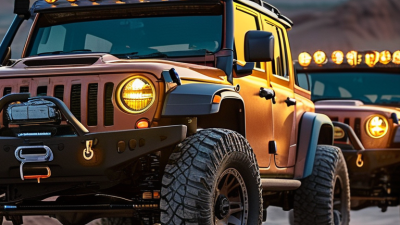
Why Choose the Best Lights for Off Road Adventures?
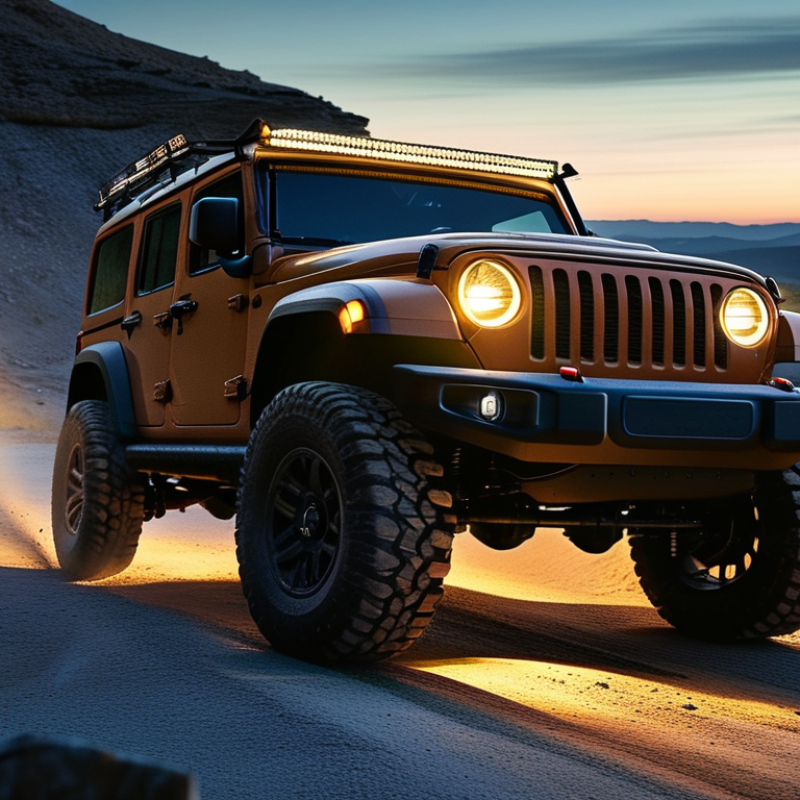
When planning off-road adventures, selecting the right lights is crucial. "Lights for Off Road" serve as essential tools for enhancing visibility and safety. They illuminate the unpredictability of trails and rugged terrains. Without appropriate lighting, driving in the dark can be risky.
Good off-road lights allow you to spot obstacles and navigate challenging paths. Options vary in design and power. Some may think all lights are the same, but that's where mistakes happen. It’s vital to choose quality products from reputable brands. Their features can greatly affect your experience.
However, many adventurers overlook how lighting affects their journey. Investing in reliable lights can mean the difference between a successful trip and a dangerous one. Choosing wisely isn't always easy. It involves balancing preferences, budget, and performance. Exploring various products can help make an informed decision.
Understanding the Importance of Quality Lighting for Off-Roading
When embarking on off-road adventures, quality lighting plays a crucial role. The right lights help navigate dark trails and uneven terrain. Poor visibility can lead to accidents, jeopardizing the safety of you and your passengers. High-quality lights illuminate your path, revealing potential obstacles.
Off-road environments are unpredictable. Dust, mud, and other elements can hinder visibility even further. Investing in durable lighting solutions ensures reliability in harsh conditions. Bright lights can also impact your ability to spot wildlife or other vehicles, enhancing safety.
However, not all lighting options deliver the same value. Some may promise high performance but fall short in real-world scenarios. It's essential to weigh your options carefully. Take time to consider the specific demands of your off-road experiences. Your lighting choice can make the difference between a memorable trip and a hazardous journey.
Types of Off-Road Lights: Spotlights, Floodlights, and Combo Lights
Choosing the right off-road lights can greatly enhance your adventures. Off-road lighting options mainly include spotlights, floodlights, and combination lights. Each type serves a unique purpose. Spotlights focus a narrow beam of light, which is effective for long-range visibility. According to industry studies, these lights can illuminate objects up to 1,000 feet away. This makes them ideal for spotting potential obstacles on trails.
Floodlights, on the other hand, offer a broad beam of light. They illuminate a wider area, which is crucial for navigating rough terrains. Research indicates that they provide better situational awareness in varying conditions, revealing blind spots. The downside is that their range is not as extensive as spotlights.
Combo lights mix the features of spot and flood lights. They provide versatility for different situations. However, setting them up can be tricky. Many adventurers struggle to find the right balance of beam type for their specific needs. It’s essential to consider your typical off-road environment when selecting lights. Some users report dissatisfaction due to inadequate brightness in heavily wooded areas. Each type of light has strengths and weaknesses. Evaluating them against your adventure requirements will lead to a more enjoyable experience.
Why Choose the Best Lights for Off Road Adventures? - Types of Off-Road Lights
| Type of Light |
Brightness (Lumens) |
Beam Distance (Meters) |
Best Use Case |
| Spotlight |
2000 - 4000 |
100 - 300 |
Long Distance Visibility |
| Floodlight |
1500 - 3500 |
50 - 100 |
Wide Area Lighting |
| Combo Light |
2500 - 5000 |
75 - 200 |
Versatile for Mixed Terrain |
| LED Bar |
3000 - 6000 |
50 - 250 |
Overall Off-Road Visibility |
Key Features to Consider When Choosing Off-Road Lights
When choosing off-road lights, several features are crucial.
Brightness is vital, but so is beam pattern.
A good mix of spot and flood light helps you see further while illuminating wider areas.
LED lights are popular for their efficiency and longevity.
They consume less power and last longer than traditional lights.
Durability matters significantly. Off-road environments can be rough.
Lights should be water-resistant and impact-proof. Look for lights made with tough materials.
This ensures they can withstand harsh conditions. Keeping these lights clean and functional is important.
Dirt and mud may affect their performance.
Tips for selection: Test light fixtures in various terrains.
Check brightness levels during day and night. Don’t overlook installation ease.
Some designs are complicated, leading to frustration. Simple setups save time and effort.
Always consider your unique driving needs.
What works for one adventure might not suit another.
The Impact of Brightness and Color Temperature on Visibility
Choosing the right lights for off-road adventures significantly affects visibility, especially during nighttime excursions. Brightness, measured in lumens, plays a crucial role. Research indicates that lights exceeding 3000 lumens offer enhanced visibility in challenging terrains. However, more lumens don’t always equate to better illumination; quality matters.
Color temperature also impacts visibility. Lights with a color temperature around 6000 Kelvin create a daylight-like effect. This temperature enhances contrast, enabling drivers to spot obstacles and terrain variations more easily. Studies show that perception is sharper under such lighting conditions, leading to safer driving experiences.
Tips: Opt for lights that balance brightness and color temperature. This maximizes visibility without overwhelming the eyes. Test different light settings in varied conditions to assess their effectiveness. Remember, not all bright lights are suited for every environment. Select lights based on specific terrain needs for optimal performance.
Installation and Maintenance Tips for Off-Road Lighting Systems
When it comes to off-road lighting systems, installation and maintenance are critical for a successful adventure. Proper installation ensures that lights are securely mounted, which enhances both visibility and safety. According to the Off-Road Industry Association, nearly 30% of off-road accidents occur due to inadequate lighting. It's essential to use durable materials, such as aluminum or high-grade plastics, that can withstand rough terrains. Make sure to follow manufacturer guidelines for voltage and wiring to avoid electrical failures.
Maintenance is equally important. Regularly check for loose connections or damaged wiring. The Truck Accessories Association reports that 15% of lighting system failures stem from poorly maintained systems. Clean lenses frequently to ensure optimal light output. Debris and grime can accumulate, decreasing visibility and potentially leading to hazardous situations. Some users forget to replace weather seals, resulting in moisture damage within the housing.
Investing in quality lights can be beneficial, but neglecting their upkeep can negate those advantages. Creating a routine maintenance schedule is important. This can include visual inspections and tests of all lighting functions. Taking these steps can significantly enhance the effectiveness and longevity of off-road lighting setups.