2026 Best Driving Light Tips for Global Buyers?
In the world of automotive lighting, "Driving Light" technology significantly impacts safety and visibility. According to a 2023 report from the Global Automotive Lighting Market, demand for high-quality driving lights is on the rise, projected to grow at a CAGR of 6.2% by 2028. This growth reflects a heightened awareness of road safety and the essential role of proper illumination.
Choosing the right driving light can be challenging. With numerous options available, buyers often face confusion. Factors like lumens, beam patterns, and weather resistance are crucial. A study by the National Highway Traffic Safety Administration highlights that almost 50% of all accidents occur in low-light conditions. This data underscores the importance of effective driving lights.
Even with advancements, misunderstandings remain. Many consumers underestimate the benefits of LED over halogen lights. While LEDs offer longer life and better visibility, misconceptions persist about their effectiveness. Thus, educating buyers is essential. The aim is to empower global consumers with the best driving light tips for informed decisions.
Understanding Different Types of Driving Lights: A Comprehensive Guide
When choosing driving lights, understanding the different types is essential.
LED lights are popular for their energy efficiency and longevity. They provide bright illumination, making night drives safer.
Halogen lights, although less efficient, offer a warm glow and are often more affordable.
Xenon lights produce a strong, bright beam but can be complex to install. Each type has distinct advantages and limitations.
Consider the design and purpose of your vehicle when selecting driving lights. Some lights are ideal for off-road use, providing wide beam patterns, while others are better suited for highway driving with focused beams.
Installation can vary in complexity, and some vehicles may require professional help. Researching these details can prevent frustration later.
While many options are available, it’s vital to assess your specific needs. Staying informed about regulations in your area is crucial, as they may dictate allowable light types and brightness levels.
Understand that preference is subjective; what works for one driver may not suit another.
Driving lights can dramatically impact your safety and driving experience, so choose wisely.
Key Factors to Consider When Choosing the Right Driving Lights
When selecting driving lights, several key factors come into play. Brightness is one of the most critical elements. According to the American National Standards Institute (ANSI), a good driving light should have a luminous flux of at least 1,500 lumens for effective visibility in various conditions. However, more lumens don’t always mean better performance. A light that is too bright can create glare for other drivers, reducing overall safety.
Another important aspect is beam pattern. Different beam types serve different purposes. A focused beam can illuminate long distances effectively, while a wider spread is better for short-range visibility. The Society of Automotive Engineers (SAE) suggests using a combination of both to enhance situational awareness on the road. Pay attention to adjustable beams, which allow for customization based on driving conditions.
Durability and weather resistance are also crucial. Driving lights should withstand extreme conditions. A report from the National Highway Traffic Safety Administration (NHTSA) highlights that many drivers encounter heavy rain or fog. Lights with a minimum IP rating of 65 ensure they are waterproof and dustproof. Many buyers overlook this detail, leading to premature failure. Exploring these factors in detail leads to better-informed decisions and potentially safer driving experiences.
2026 Best Driving Light Choices for Global Buyers
Installation Tips for Optimal Performance of Your Driving Lights
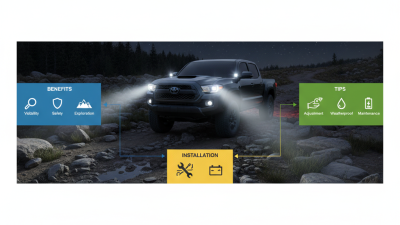
When installing driving lights, proper placement is key for optimal performance. Ensure they are mounted at the right height. Lights should be positioned at or just below the vehicle’s height. This allows for maximum visibility without blinding other drivers. Remember to aim them slightly downward to avoid glare. Aiming correctly can prevent accidents and enhance your nighttime driving experience.
Wiring should be neat and secure. A messy setup can lead to electrical issues or failure. Use quality connectors and ensure all connections are tight. Inspect your wiring regularly for wear and tear. It’s easy to overlook these details, but neglecting them might lead to malfunctions.
Finally, check the light alignment after installation. A simple road test can reveal if adjustments are needed. Be open to making changes as required. Experimenting with different angles is part of the process. This hands-on approach helps ensure your driving lights perform as intended, enhancing your safety on the road.
Maintenance and Care for Longevity of Driving Lights
Maintaining driving lights is essential for their longevity. Regular inspection can prevent many issues. Check the wiring for any signs of wear or fraying. Clean the lenses frequently to ensure maximum brightness. If dirty, they can reduce visibility significantly.
Here are some tips for better care: Avoid using harsh chemicals on your lights. They might strip the protective coatings. Instead, use mild soap and water. Store lights in a dry place during off-seasons. Moisture can cause corrosion over time. It's crucial to stay proactive.
Remember, over time, even the best lights may dim. If your lights seem less effective, consider replacing them. Keeping spare bulbs on hand can be a wise choice. An informed approach helps maintain safety on the road. Adjusting to these simple habits can enhance your driving experience immensely.
Legal Regulations and Safety Standards for Driving Lights Worldwide
When purchasing driving lights, understanding legal regulations and safety standards is crucial. Regulations vary by country. For example, the European Union has strict standards regarding light intensity and beam patterns. Non-compliance can result in fines or penalties for manufacturers and vehicle owners alike.
Safety standards impact performance directly. According to a study by the International Road Assessment Programme, effective driving lights can reduce nighttime accidents by up to 30%. However, poor-quality lights can cause glare or reduce visibility. Many regions have adopted specific requirements on lumens and beam angles to ensure road safety.
In Australia, 4WD driving lights must meet the Australian Design Rule 13. This rule specifies that lights must not exceed certain brightness levels to avoid blinding other drivers. Yet, inadequate enforcement has led to a grey market of non-compliant lights. Buyers should conduct research and seek out reputable sources to ensure their safety.