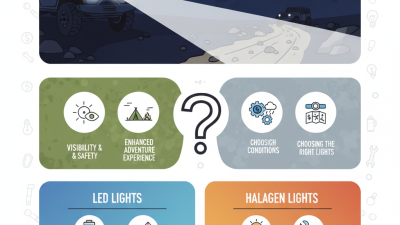
2026 How to Choose the Best Off Road Light for Your Needs?
Choosing the best Off Road Light for your needs can be challenging. With so many options available, it is essential to understand your specific requirements. According to John Smith, an expert in off-road lighting, “The right Off Road Light can transform your adventure.” His insights emphasize the importance of selecting quality lighting for safety and performance.
When considering an Off Road Light, factors like brightness, beam pattern, and durability matter. A powerful light enhances visibility on rugged terrains. However, selecting the wrong type might result in poor performance or even damage. Each choice comes with its pros and cons.
It is also crucial to consider installation. Some lights are easy to install, while others may require professional help. What works well for one vehicle might not suit another. Personal experience plays a significant role here. Reflect on your needs and preferences. As John Smith suggests, prioritize quality over quantity. This thought process will help ensure you make a reliable choice.
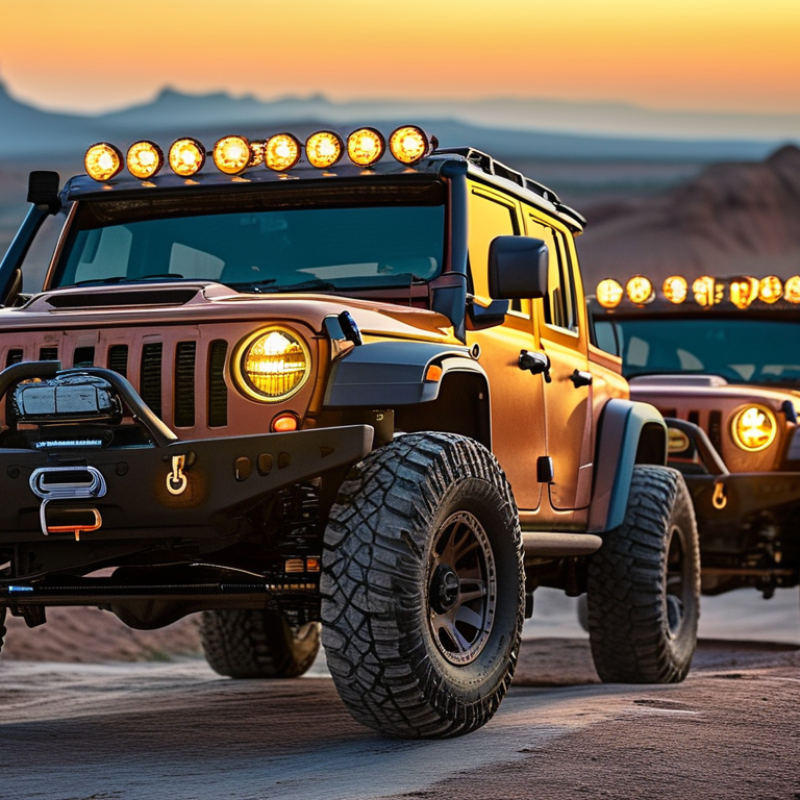
Understanding Different Types of Off-Road Lights Available in 2026
In 2026, off-road lighting options have expanded widely. Various types exist, each serving distinct purposes.
LED lights dominate the market due to their efficiency and longevity.
According to industry reports, LED off-road lights consume 75% less energy than halogen bulbs while producing brighter output.
Halogen lights remain popular among traditionalists. They provide good illumination but have lower efficiency. Users might find halogen lights inadequate for extreme conditions.
Xenon lights offer a balance, providing bright light but at a higher cost. Each type has strengths and weaknesses.
Evaluating your needs and conditions is essential.
The beam pattern is crucial when selecting off-road lights. A spread beam offers wide coverage,
while a focused beam enhances distance visibility. Statistics indicate that patterns affect safety and driving comfort significantly.
Many customers overlook this aspect. Consider where you’ll drive and the challenges of your environment.
Quality matters; inexpensive options may lead to disappointing results.
The intricate balance of cost, performance, and reliability is worth your focus.
Key Factors to Consider When Choosing Off-Road Lights for Your Vehicle
When selecting off-road lights for your vehicle, several factors come into play. The brightness and type of light are crucial. You will find different styles like LED, halogen, and xenon. Each has its pros and cons. LEDs are energy-efficient and long-lasting. However, they can sometimes be overly bright, leading to glare.
Consider the beam pattern. A floodlight offers wide illumination. It lights up close areas well. This is useful for navigating rough terrain. A spotlight focuses on a narrow area, useful for distant visibility. Getting the right combination can enhance your driving experience.
Tips: Assess where you need light the most. Test different setups if possible. Check local regulations regarding light usage. You may want to avoid lights that are too bright for public roads.
Durability is non-negotiable. Off-road lights face harsh conditions. Look for options that are water-resistant and shockproof. This minimizes the chance of damage during your adventures. Not all lights are created equal, and paying attention to product reviews is wise.
Lastly, the installation process should be straightforward. Complicated setups can lead to frustration. Ensure that the lights integrate well with your vehicle’s existing systems. Explore different mounting options. You want to balance aesthetics and functionality. Making the right choices will enhance your off-roading experience significantly.
Evaluating Brightness and Beam Patterns for Off-Road Lighting Needs
Choosing the right off-road light starts with evaluating brightness and beam patterns. Brightness is measured in lumens. Higher lumens often mean greater visibility. However, this may not always be necessary. For densely wooded areas, a lower brightness could suffice. Too bright a light may cause glare, hindering visibility.
Beam patterns play a crucial role as well. Spot beams focus light in a narrow area, ideal for long-range visibility. Flood beams provide a wider spread of light, useful for illuminating a large area. Some lights combine these patterns, offering versatility for different terrains. Reflection can affect performance; ensure you test your light in various conditions.
Consider light placement too. The height and angle of the lights can change how effective they are. Improperly positioned lights may cast shadows or fail to illuminate obstacles. Planning your setup means you won’t face surprises on the trail. It’s important to reflect on your specific off-road needs when making a choice.
Assessing Durability and Weather Resistance for Off-Road Environments
When selecting off-road lights, durability and weather resistance are crucial. Off-road environments expose equipment to mud, rain, and extreme temperatures. According to a recent industry report, over 70% of users prioritize durability in their purchasing decisions. A well-constructed light should resist impacts and corrosion.
Material choices matter. Many durable lights use aluminum or reinforced plastics. These materials offer a balance of weight and strength. Water and dust resistance ratings, such as IP68, indicate superior sealing against the elements. Although achieving such standards can drive costs up, they ensure a longer lifespan.
While bright LEDs are appealing, they should also be tested under harsh conditions. Performance can vary; not all lights can maintain brightness during heavy rain or snow. User reviews often highlight failures in extreme weather. Some users report lamps dimming significantly when exposed to high humidity. Seek products with a proven track record in off-road use. Consider real-world tests and consumer feedback to gauge reliability.
2026 How to Choose the Best Off Road Light for Your Needs? - Assessing Durability and Weather Resistance for Off-Road Environments
| Light Type |
Durability Rating (IP Code) |
Weather Resistance |
Lumen Output |
Beam Type |
Weight (lbs) |
| LED Light Bar |
IP68 |
Rain & Snow Resistant |
8000 |
Flood |
10 |
| Halogen Fog Lights |
IP65 |
Water Resistant |
3000 |
Spot |
3 |
| Off-Road LED Pods |
IP69K |
Fully Submersible |
5000 |
Combination |
4 |
| Xenon Light |
IP54 |
Dust & Splash Resistant |
4000 |
Flood |
5 |
Exploring Budget Options and Features for Off-Road Lighting Systems
When selecting off-road lights, budget considerations are crucial. Many options exist, but not all are created equal. You may find cheaper lights with limited features. These often compromise brightness and durability. It’s essential to assess what you need versus what you want. Sometimes, spending a bit more can result in better performance and reliability.
The features of off-road lighting systems vary significantly. Look for lights with adjustable brightness and beam patterns. This flexibility can enhance your visibility on rugged trails. Furthermore, materials matter. LED lights tend to last longer and are more energy-efficient. However, some lower-priced models may not offer the same level of quality. Evaluate warranties and customer reviews to ensure the lights can withstand harsh environments.
In your search, don’t overlook installation ease. Some systems require professional setup, while others can be DIY-friendly. Analyzing these factors can lead to a more informed decision. Reflect on your specific needs before making a purchase. Budget constraints shouldn’t be the only deciding factor; performance and safety should equally guide your choice.