2026 Best Motorcycle Light Options for Global Buyers?
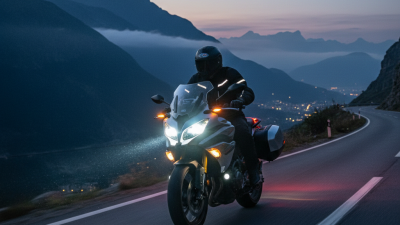
As motorcycle culture grows globally, so does the demand for innovative Motorcycle Light options. According to a recent industry report by Grand View Research, the motorcycle lighting market is projected to reach $1.25 billion by 2026. These advancements in lighting technology not only enhance visibility but also contribute to rider safety.
Renowned industry expert Dr. Lisa Thompson has emphasized, "Quality motorcycle lights are essential for both functionality and style." With an increasing number of riders on the road, investing in high-quality lights becomes crucial. Riders now have various choices, from LED to adaptive lighting systems, catering to different needs and preferences.
However, the rising variety can create confusion. Many riders struggle with choosing the right Motorcycle Light that fits their bike and riding style. It's essential to weigh options carefully and consider what truly enhances safety without succumbing to marketing hype. Balancing functionality with aesthetic appeal remains a challenge. As the industry evolves, it becomes vital for consumers to stay informed and choose wisely.
Top Types of Motorcycle Lights Available in 2026
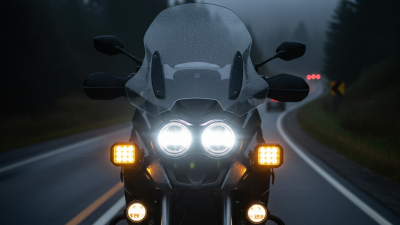
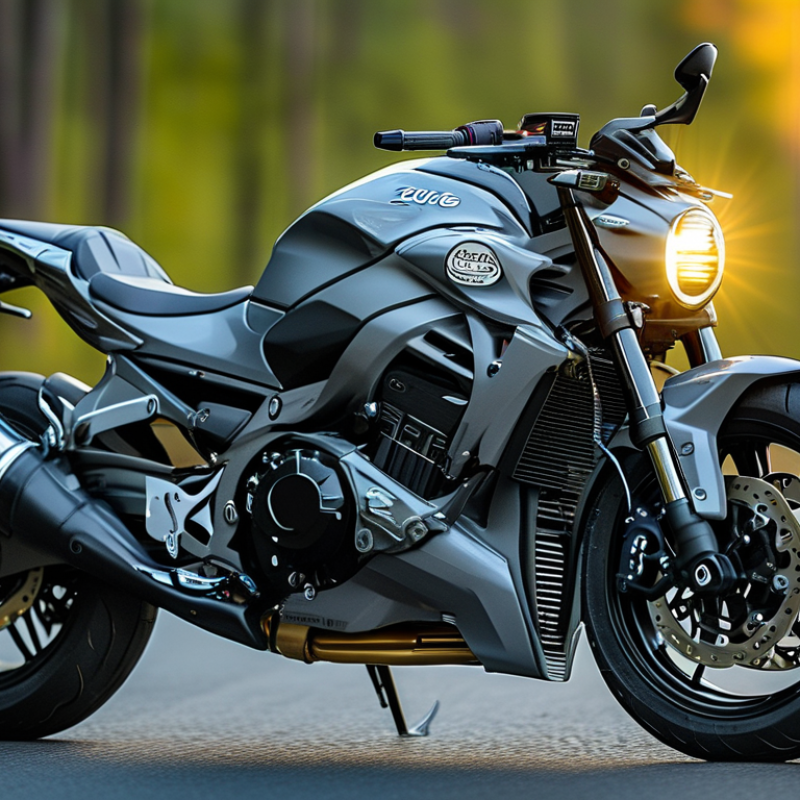
Motorcycle lighting technology continues to evolve. In 2026, buyers have several options for enhancing their riding experience. Among the most popular types are LED lights, which offer intense brightness and energy efficiency. They can last longer than traditional bulbs, reducing frequent replacements. Halogen lights still hold their ground, providing a warm glow favored by many riders.
Another noteworthy option is the adaptive beam technology. These lights adjust automatically based on speed and angle, improving visibility while cornering. While they offer great advantages, they may require more complex installations.
Riders should consider how much time and effort they are willing to put into the setup.
Tips: Ensure you understand the installation process before choosing your lights. Read user reviews to gauge reliability. Don’t overlook the importance of visibility; brighter does not always mean better for every condition.
Key Features to Look for in Motorcycle Lighting Solutions
When considering motorcycle lighting solutions, several key features stand out. Brightness is paramount. LEDs often deliver superior visibility compared to traditional bulbs. Reports indicate that LED lights are up to 80% more efficient. This efficiency not only conserves battery life but also enhances safety during night riding.
Color temperature is another crucial factor. A higher Kelvin value, around 6000K to 6500K, mimics daylight. This spectrum improves visibility in poor weather conditions. Studies show that riders using daylight-simulating lights experience a 27% increase in detection distance. This is a significant advantage.
Adjustability can also create a more personalized riding experience. Lights that offer beam pattern adjustments allow customization for different terrains and conditions. Unfortunately, many consumers overlook this feature, which may lead to compromised safety. Additionally, durability should not be ignored. Many lights face harsh conditions, and robust construction is vital for longevity. Reviews frequently highlight failures in lights with inadequate weather resistance. Investing in quality lighting can improve both performance and rider confidence.
Comparative Analysis of Leading Motorcycle Light Brands
When selecting motorcycle lights, a comparative analysis of leading brands reveals distinct differences. Each brand has unique features, tailored designs, and varying performance levels. A well-lit road enhances safety, so understanding these differences is crucial for every rider.
Some brands focus on brightness and visibility. They utilize LED technology for crisp, powerful illumination. Others emphasize durability and weather resistance, essential for long rides in diverse conditions. Riders should consider their specific needs. A light that shines bright may not withstand harsh weather. Riders have reported issues with products that failed prematurely in extreme conditions. It's a reminder to research user experiences thoroughly.
Price is another factor. Some premium options offer advanced features but come with a hefty price tag. Other brands provide decent performance at a lower cost. Riders often debate if premium is worth it. Many feel that a balance between quality and budget is necessary. This comparison journey encourages motorcycle enthusiasts to rethink their choices, ensuring the right illumination for all riding adventures.
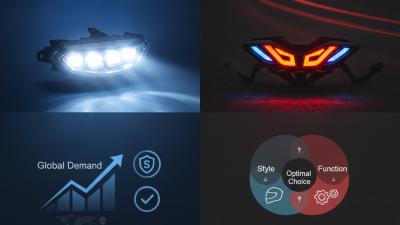
2026 Best Motorcycle Light Options Comparative Analysis
Global Regulations Impacting Motorcycle Lighting Standards
Motorcycle lighting standards are heavily influenced by global regulations. Different regions enforce specific requirements for visibility and safety. These standards ensure that lights are effective during various weather conditions and times of day. For instance, European countries prioritize daytime running lights, which enhance visibility for motorcycles.
Compliance with these regulations can be challenging. Manufacturers must navigate a patchwork of laws. Inconsistent standards can lead to confusion for buyers. It's essential to stay informed about local rules to avoid issues. Misunderstanding these regulations might result in purchasing unsuitable products.
Unauthorized modifications may also pose safety risks. Riders often customize their lights to enhance style, but this can impact functionality. Failing to adhere to regulations could lead to accidents. Thus, understanding the balance between creativity and compliance is crucial for motorcyclists. Both safety and aesthetics should harmonize to improve the riding experience.
Tips for Choosing the Right Motorcycle Light for Your Needs
When selecting the right motorcycle lights, understanding your specific needs is crucial. A recent industry report highlighted that proper lighting can increase visibility by up to 75%. This is essential for safety, especially during low-light conditions. Riders should consider factors like brightness, beam pattern, and durability.
Tips for choosing motorcycle lights include evaluating your riding style. If you frequently ride at night, high-lumen options are advisable. Waterproofing is another critical feature, ensuring that your lights perform well despite weather conditions. Look for lights with a lifespan of at least 30,000 hours. This can save you money and hassle over time.
It's also important to pay attention to installation. Complex setups can lead to poor functionality. Simple, user-friendly lights often provide the reliability that riders need. Lastly, while aesthetics matter, prioritize performance and safety over looks. Make decisions based on an informed perspective to enhance your riding experience significantly.