How to Choose the Best White Rock Lights for Your Needs?
When it comes to enhancing outdoor spaces, choosing the right lighting is crucial. White Rock Lights are a popular choice for many homeowners. They provide both beauty and functionality. However, selecting the best option can be overwhelming. With various styles, brightness levels, and designs available, it’s essential to understand your specific needs.
The importance of quality cannot be overstated. Reliable White Rock Lights can transform an area and improve safety. However, not every product on the market meets high standards. Some lights may not withstand harsh weather conditions. It’s vital to consider factors like durability and energy efficiency. Reflecting on your requirements will lead to better choices.
Making an informed decision requires careful thought. Think about where you will place the lights. Will they illuminate pathways or enhance landscapes? The right choice should complement your outdoor aesthetics while serving practical purposes. Don’t rush the process; take time to research and compare options. Ultimately, the best White Rock Lights will fit both your style and needs.
Understanding White Rock Lights and Their Features
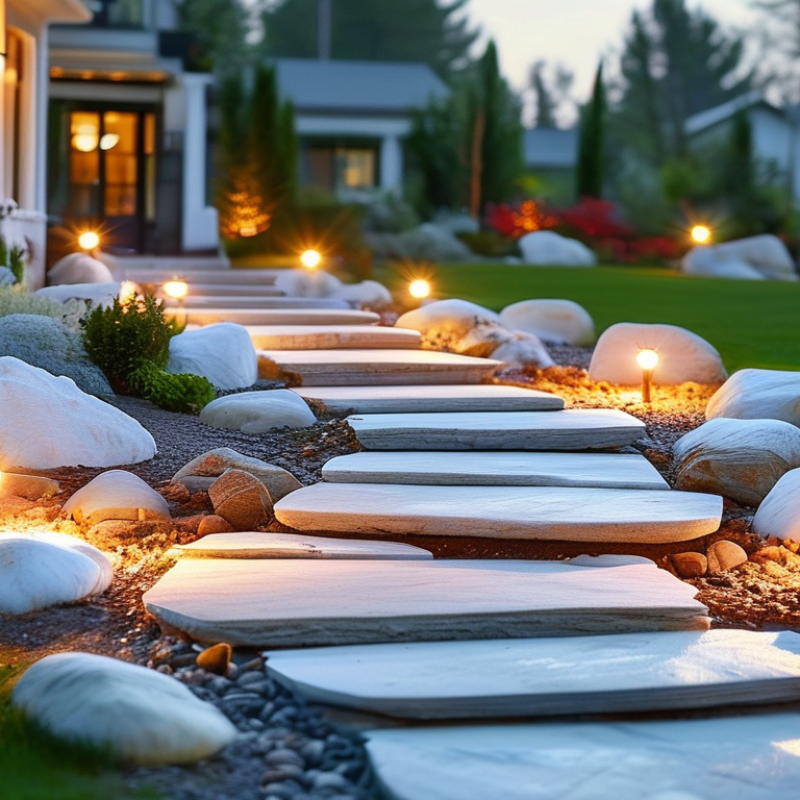
White rock lights provide both aesthetic appeal and practical use. Understanding their features can help you select the right option for your needs. These lights are versatile and often used for landscaping, highlighting pathways, or illuminating outdoor spaces. Their bright, crisp light can transform a mundane area into a captivating environment.
When choosing white rock lights, consider brightness and energy efficiency. The lumens rating indicates how bright the light is. LEDs are a popular choice; they consume less power and last longer than traditional bulbs. Look for a fixture that can withstand outdoor conditions. Waterproof and weather-resistant lights ensure they won’t fail during harsh weather.
Another aspect to evaluate is placement and installation. Some lights are buried under rocks, while others sit above ground. Depending on your landscape, the correct placement can make or break the lighting effect. Take time to visualize how the layout will look at night. Unexpected shadows or overly bright spots can diminish the overall impact. Reflect on how each feature aligns with your specific requirements to make a well-informed choice.
Assessing Your Lighting Needs and Preferences
When selecting white rock lights, understanding your specific lighting needs is crucial.
Consider where you'll install these lights. Will they illuminate your garden, landscape, or pathways?
Each area requires different lighting levels. Assess how bright you want the space to be.
Soft lighting creates a cozy ambiance,
while brighter options enhance visibility and security.
Think about your usage preferences too. Do you want lights that are easy to install?
Look for user-friendly designs. Some people prefer adjustable brightness settings for versatility.
Color temperature also matters.
Warmer lights evoke a relaxing atmosphere,
while cooler tones provide a more modern, crisp feel.
Reflect on your design aesthetic. The style of the lights should complement your outdoor decor.
Simple or ornate designs can change the space's vibe entirely. Keep maintenance in mind as well.
Some lights require more care than others, which can be a hassle in the long run.
Balancing these considerations can lead to a more satisfying lighting choice for your outdoor environment.
Comparing Energy Efficiency and Brightness Options
Choosing white rock lights involves evaluating energy efficiency and brightness options. Energy efficiency matters for both cost savings and environmental impact. LED lights are often more efficient compared to traditional bulbs. They consume less electricity and last longer, reducing the need for frequent replacement. However, not all LED lights produce the same brightness. Some may appear dim in certain settings, making it essential to assess lumen output.
Brightness is crucial for effective outdoor lighting. High lumen output provides better illumination for walkways and gardens. It's vital to balance brightness with energy consumption. Overly bright lights can lead to increased energy costs. Additionally, very bright lights may create glare, which can be uncomfortable. A practical approach is to opt for adjustable settings if available. Reflecting on your specific needs helps in making a better decision. Consider blending high and low brightness options to create an inviting ambiance while maintaining efficiency.
Evaluating Installation and Maintenance Requirements
When evaluating the installation and maintenance requirements of white rock lights, consider your space and setup. Assess whether you’ll mount them on walls, ceilings, or as standalone units. Each option has unique needs. For wall-mounted lights, ensure there are accessible power outlets nearby. Use waterproof fixtures in outdoor settings for safety.
Installation can be straightforward but may require tools for drilling or securing fixtures. Keep in mind that certain locations need proper alignment for optimal lighting. You might encounter some challenges here. Perhaps the wiring will need adjustments, or the light placement won't create the desired effect.
Maintenance is often overlooked. Regularly check for dust accumulation or damaged fixtures. It only takes a moment to inspect seals and connections. Not maintaining them could lead to diminished brightness or even failure. Sometimes, you may face unexpected issues after just a few months. Knowing how to troubleshoot common problems will save you time and effort. Aim for a lighting solution that not only looks good but also remains functional over time.
Comparison of White Rock Lights: Installation and Maintenance Requirements
Budgeting for Quality: Cost Considerations in Selection
When selecting white rock lights, budgeting is crucial. Quality can vary significantly based on price. A recent industry report indicated that mid-range options often outperform budget choices in longevity and efficiency. The difference can be as stark as 20% more lifespan for lights within the $50 to $100 range compared to cheaper alternatives.
Installation costs should also factor into your budget. Quality lights may require less maintenance, reducing long-term expenses. According to lighting professionals, using higher-quality products can save up to 30% in energy costs. However, some buyers prioritize initial savings over these future benefits. They often overlook that inferior lights can lead to higher replacements and increased electricity bills.
There’s also a risk of overspending on unnecessary features. Many premium lights boast fancy designs but lack essential performance metrics. It’s essential to find a balance between aesthetics and functionality. Research shows that consumers sometimes regret prioritizing style over durability, averaging $150 wasted in replacements per year. Therefore, detailed comparisons and careful planning are vital when choosing the best white rock lights for your needs.