How to Choose the Best White Rock Lights for Your Needs?
When it comes to enhancing outdoor spaces, White Rock Lights offer both functionality and aesthetic appeal. Industry expert John Parker emphasizes this, stating, "The right lighting transforms not just a space, but the experience itself." Choosing the best White Rock Lights for your needs requires understanding various factors.
Materials, brightness, and energy efficiency play crucial roles in your decision. Quality lights should withstand weather conditions while providing the ambiance you desire. It’s essential not to overlook the installation process as well. Some lights may promise ease but can come with hidden complexities.
Reflect on your specific lighting goals. Do you want to illuminate pathways, highlight features, or create a relaxing atmosphere? Defining your priorities will guide you in selecting the ideal White Rock Lights. Remember, the wrong choice can lead to frustration and diminished enjoyment of your outdoor space. Careful consideration is key to achieving the perfect blend of style and practicality.
Understanding the Purpose of White Rock Lights in Outdoor Spaces
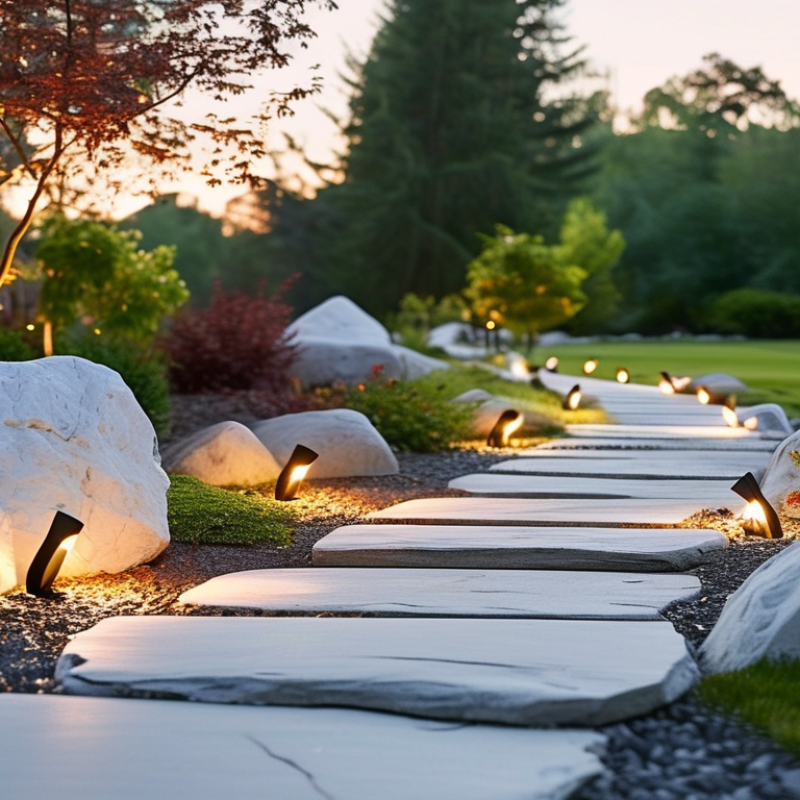
White rock lights have gained popularity for their functional and aesthetic contributions in outdoor spaces. These lights illuminate pathways, gardens, and patios, enhancing safety and visibility. According to a recent survey, 70% of homeowners prioritize lighting in their landscaping choices. Proper lighting can create a welcoming atmosphere, making outdoor areas more enjoyable during the evening.
Understanding the purpose of white rock lights is essential for effective outdoor design. They serve to highlight key features and guide movement. Placing lights strategically can reduce accidents. Industry reports note that outdoor lighting can increase property value by up to 20%. However, using too many lights can create glare and detract from the desired ambiance. Finding a balance is crucial.
Quality matters when selecting light fixtures. Investigate energy efficiency ratings and durability metrics, as these can impact long-term costs. While many might be tempted to prioritize aesthetics, neglecting practical aspects like weather resistance is a common oversight. Each space may require different types of lighting based on specific needs. Inadequate planning can lead to frustrating results. Thus, assessing both functional and decorative elements is key for successful outdoor illumination.
Key Features to Consider When Selecting White Rock Lights
Choosing the right white rock lights can significantly enhance the aesthetic appeal of your outdoor space. When selecting these lights, it’s crucial to consider brightness, which can affect visibility and ambiance. Aim for lights with adjustable brightness settings. This allows you to create the desired atmosphere, whether it’s a subtle glow for a cozy gathering or brighter illumination for safety.
Another important feature is durability. Outdoor lights must withstand varied weather conditions. Look for lights made with weather-resistant materials to ensure longevity. It’s worthwhile to consider the design as well. Rock lights should blend seamlessly into your landscaping, adding to the natural beauty. Keep in mind, however, that overly decorative designs may not always be practical for long-term use.
Wattage is another aspect to reflect on. High wattage can mean more illumination, but it can also lead to increased energy costs. Finding a balance between efficiency and brightness is essential. Energy-efficient LEDs might be slightly more expensive upfront, but they offer savings in the long run. Pay attention to installation ease too. Some lights require professional setup, while others can be installed with basic tools. These considerations will contribute to a lighting setup that serves your specific needs and preferences.
White Rock Lights Features Comparison
This chart compares key features to consider when selecting white rock lights, including brightness in lumens, power consumption in watts, lifespan in hours, and waterproof rating on a scale of 1 to 10.
Comparing Different Types of White Rock Lights Available on the Market
When selecting white rock lights, it is essential to understand the different types available. There are several options, including LED, solar, and halogen lights. Each type has unique features and varying energy efficiency. LED lights are known for their longevity and low energy consumption. Solar lights offer the advantage of being eco-friendly, but their effectiveness can vary depending on sunlight exposure. Halogen lights provide bright illumination but may consume more energy and have a shorter lifespan.
Consider the application of the lights when deciding on a type. Outdoor spaces often benefit from durable, weather-resistant designs. LED lights tend to withstand various conditions better than others. For those who prefer ease of installation, solar-powered options can be less complex. However, they require careful placement to maximize sunlight absorption.
It’s also important to reflect on your energy usage and maintenance preferences. Some lights may require more frequent bulb changes, while others could offer a set-it-and-forget-it solution. Balancing between initial cost and long-term benefits can be challenging. Ultimately, the best choice will depend on your specific needs and environment, as well as your willingness to commit to maintenance.
Evaluating Energy Efficiency and Lifespan of White Rock Lights
When choosing white rock lights, energy efficiency is crucial. LED lights are often the best option. They consume less power and have a longer lifespan than traditional bulbs. These benefits make them ideal for outdoor use, as they can help reduce energy bills over time. Low heat emission is another positive aspect. This translates into a safer environment for plants or materials nearby.
Lifespan is equally important. Quality white rock lights should last years with minimal maintenance. A well-made LED could last between 15,000 to 50,000 hours. However, not all products are created equal. Some may burn out prematurely. Research is key to finding reliable options. User reviews can reveal hidden issues.
Reflecting on your needs also helps. Sometimes, we prioritize price over quality. However, investing in a durable model could save money and effort long-term. Consider the light's purpose and environment. Outdoor lighting needs differ from indoor decor. Careful assessment is essential to avoid common pitfalls.
Installation Tips for Optimal Use of White Rock Lights
Installing white rock lights can elevate your outdoor environment. To ensure optimal use, careful planning is essential. Start by assessing the area where you want to install these lights. Consider the specific spots that need illumination. Think about safety, aesthetics, and functionality. This assessment helps in positioning the lights accurately. Measure distances carefully. Every placement can make a difference.
Proper installation is key to enjoying the benefits of white rock lights. Use weather-resistant connectors and mounting equipment. A secure fit prevents damage from wind or rain. For added convenience, consider integrating dimmer switches. This allows you to adjust brightness according to your mood or occasion. If unsure about your electrical skills, consulting a professional can prevent mistakes. Common pitfalls include faulty wiring and improper placement, leading to poor performance.
Test the lights after installation. Walk around and observe the illumination. Is every corner lit as intended? Adjust as necessary. Regular maintenance is valuable. Check for dirt buildup on lenses, as this can diminish light output. Keeping your lights clean enhances their longevity. Reflecting on your choices and being willing to adapt will improve your overall experience with white rock lights.
How to Choose the Best White Rock Lights for Your Needs? - Installation Tips for Optimal Use of White Rock Lights
| Feature |
Description |
Benefits |
Installation Tips |
| Brightness |
Measured in lumens; indicates the amount of light emitted. |
Higher brightness can illuminate larger areas effectively. |
Choose a brightness level suitable for your specific space and needs. |
| Color Temperature |
Measured in Kelvins; determines the warmth or coolness of the light. |
Can enhance the aesthetic appeal of outdoor spaces. |
Consider the ambiance you wish to create; warm white for cozy, cool white for modern. |
| Energy Efficiency |
Rated in watts; represents power consumption. |
Lower energy consumption saves costs and is environmentally friendly. |
Look for LED options for the best energy efficiency. |
| Weather Resistance |
IP rating that indicates water and dust protection. |
Ensures durability and longevity in outdoor conditions. |
Select lights with a high IP rating for use in exposed outdoor areas. |
| Installation Type |
Hardwired vs. plug-in models. |
Different types offer flexibility depending on your setup. |
Confirm the installation type suits your location's electrical layout. |
| Light Beam Angle |
Measured in degrees; affects area of illumination. |
A broader angle can light up wider spaces. |
Assess the area needing illumination to choose the right angle. |
| Motion Sensor Feature |
Detects movement to automatically turn lights on/off. |
Enhances security and energy savings. |
Ensure motion detection range suits your requirements for optimal performance. |