2026 How to Choose the Best Off Road Lights for Your Vehicle?
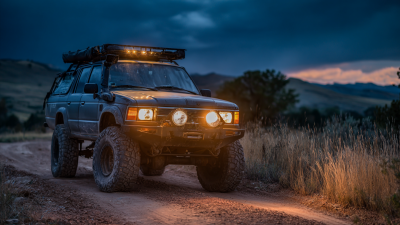
Choosing the right Off Road Lights for your vehicle is crucial for safety and performance. Experts in the industry, like Mike Anderson, a renowned off-road lighting specialist, emphasize, "Quality lights can transform your off-road experience." With the right Off Road Lights, you not only improve visibility but also enhance your vehicle's aesthetics.
When evaluating Off Road Lights, consider factors such as brightness, beam pattern, and durability. These factors can significantly impact your adventures. For instance, LED lights are popular due to their efficiency and longevity. Yet, many overlook the importance of mounting solutions. Poorly mounted lights can lead to misalignment and reduced effectiveness.
Reflecting on your choices is vital. Sometimes, cheaper options may promise more but fail to deliver real results. Investing in quality Off Road Lights can prevent future complications. It’s about finding the balance between cost and performance. More expensive models often provide enhanced features and reliability. This makes your off-road journeys safer and more enjoyable.
Understanding Off-Road Lighting Requirements for Your Vehicle
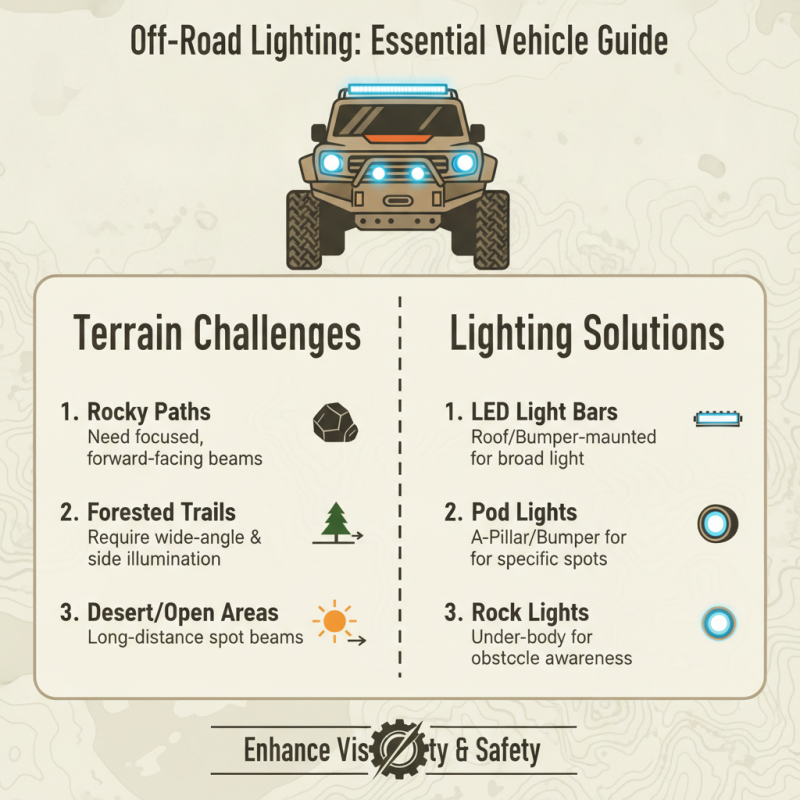
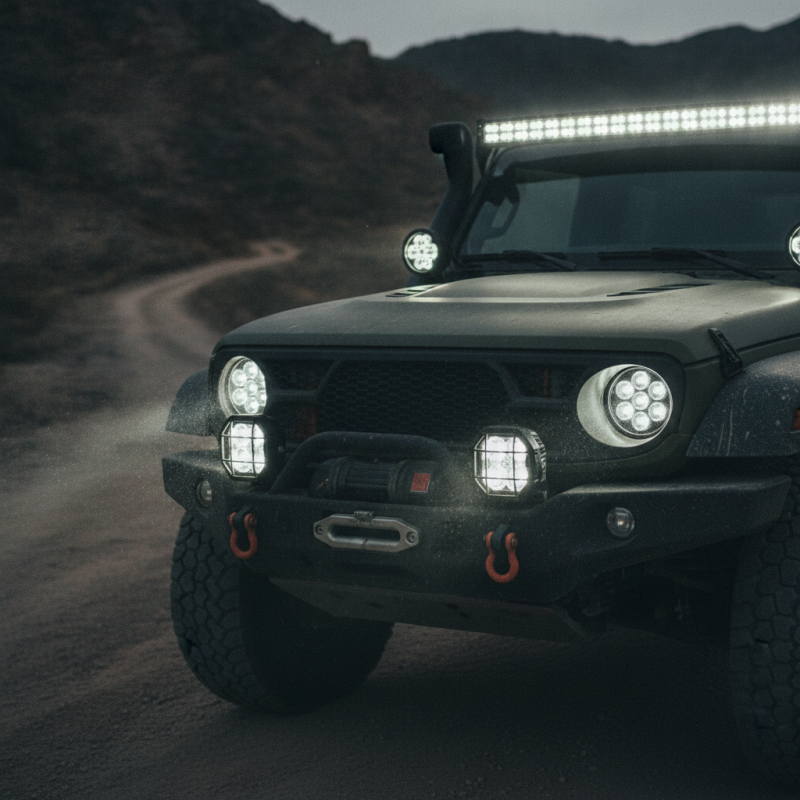
Off-road adventures require specific lighting solutions to enhance visibility and safety. Understanding your vehicle's off-road lighting needs is crucial. Consider the terrain you’ll navigate. Rocky paths or forested trails present unique challenges, and adequate lighting is essential for safe navigation.
Different light types serve distinct purposes. Flood lights illuminate a wide area, while spotlights focus on long-range visibility. Combining both provides comprehensive coverage, ensuring you can see obstacles ahead. When selecting lights, pay attention to lumens and beam patterns. Higher lumens mean brighter light, but the beam pattern dictates how and where that light is distributed.
Not every installation will be perfect. Some lights may fail to illuminate blind spots. Regular maintenance can help identify and rectify these issues. Consider how weather conditions affect visibility, as rain or fog demands specific lighting adjustments. Evaluate your setup after trips. This reflection can lead to enhancements or changes in your light strategy for future adventures.
Types of Off-Road Lights: Pros and Cons
When selecting off-road lights, understanding their types is crucial. Some popular options include LED, HID, and halogen lights. Each type has distinct advantages and drawbacks. For instance, LED lights are efficient and have a long lifespan. According to a report by the Automotive Lighting Association, they can last up to 50,000 hours. However, they may require a higher initial investment compared to other types.
HID lights produce a powerful beam, making them beneficial for dark, off-road environments. However, the warm-up time can be a drawback; they may not be ideal for sudden usage.
Halogen lights are the most affordable and are easy to replace. Yet, they tend to draw more power and have a shorter lifespan of about 1,000 hours. This makes them less efficient for extensive off-road use.
Choosing the right style of off-road light should involve assessing your specific needs. Some users might prioritize brightness over efficiency. Others may focus more on durability and cost-effectiveness. It’s important to reflect on what matters most in the long run. Consider the conditions you often encounter.
Selecting off-road lights can be complex, and even within a single type, variations exist. This complexity can lead to regrets if the wrong choice is made.
Factors to Consider When Selecting Off-Road Lights
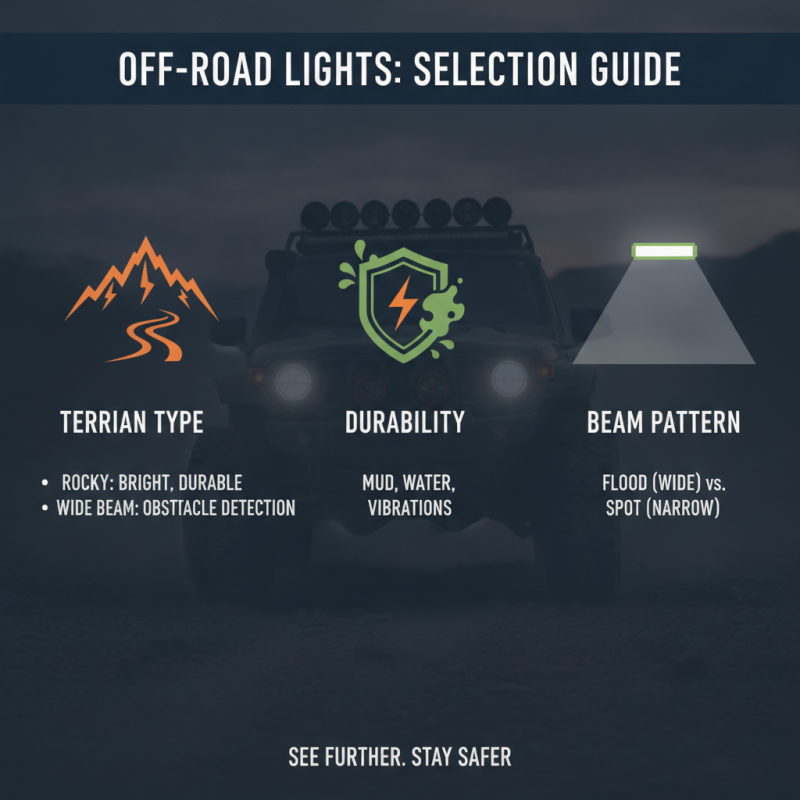
When selecting off-road lights, several key factors come into play. The type of terrain you’ll tackle greatly influences your choice. Rocky paths demand brighter and more durable lights. A wide beam pattern is crucial for illuminating the surroundings. This ensures that you see potential obstacles early. Durability is another critical aspect. Off-road lights must withstand harsh conditions, including mud, water, and vibrations.
Consider the light output measured in lumens. Higher lumens mean brighter lights. However, balance is essential. Overly bright lights can cause glare, impacting your visibility. The beam pattern also matters. A combination of flood and spot lights can provide both depth and width in illumination. This allows you to navigate tricky landscapes effectively.
Installation ease is worth pondering. Some lights come with complicated setups, requiring tools and expertise. Simpler installations can save time and hassle. Evaluate your vehicle’s electrical system as well. Some lights demand more power than others. This could lead to battery drain if not properly assessed. Each choice has its pros and cons. Reflecting on these aspects helps ensure you select the right off-road lights for your adventurous journeys.
Installation Tips for Optimal Off-Road Light Performance
Choosing the right off-road lights for your vehicle can greatly enhance your driving experience. Installation plays a crucial role in optimizing light performance. According to a 2022 industry report, nearly 70% of off-road lights underperform due to incorrect installation. Properly installed lights ensure maximum visibility and safety on rugged terrains.
When installing off-road lights, consider the placement carefully. Mount them higher on the vehicle for a wider beam spread. Aim to avoid blinding oncoming drivers. Use brackets and wiring kits designed specifically for your vehicle type. This helps in achieving a stable and reliable fit. Ensure all connections are waterproof to prevent damage from mud and moisture.
Another key aspect is to use appropriate wiring techniques. Poor connections can lead to flickering or complete failures. Make sure to secure all wires to avoid snagging on obstacles. Regularly check for wear and tear, especially after intense off-roading trips. This can save you from unexpected repair costs in the long run. Remember, light quality matters, but installation is where performance starts. Stay proactive in maintaining your off-road lighting system.
2026 How to Choose the Best Off Road Lights for Your Vehicle? - Installation Tips for Optimal Off-Road Light Performance
| Light Type |
Lumens |
Beam Pattern |
Wattage |
Installation Difficulty |
| LED Light Bar |
12000 lumens |
Flood |
120W |
Moderate |
| Halogen Fog Lights |
2000 lumens |
Spot |
55W |
Easy |
| HID Off-Road Lights |
4000 lumens |
Combo |
35W |
Moderate |
| Work Lights |
3000 lumens |
Flood |
30W |
Easy |
| LED Pods |
6000 lumens |
Spot/Flood |
90W |
Moderate |
Maintenance and Safety Tips for Off-Road Lighting Systems
Off-road lighting systems require regular maintenance to ensure optimal performance. Check the lights frequently for any signs of damage. Inspect the wiring and connections for wear or corrosion. Just a loose wire can cause significant issues in the wilderness. Keep your lenses clean and free from debris. Dirt can greatly reduce brightness and visibility.
Safety is key when using off-road lights. Always aim your lights correctly to avoid blinding other drivers. Test the brightness before heading out at night. There are times it may be necessary to adjust the angle based on the terrain. Use caution when driving through rough conditions, as lights can be vulnerable to shocks. Remember that installing lights incorrectly can lead to accidents or damage.
Consider the environment where you'll be using your vehicle. Some terrains may require more robust lighting solutions. It’s worth noting that brighter isn't always better. More light can create shadows and reduce visibility. Think about the layout of your typical trails and how the lights will enhance your experience. Adjusting to your surroundings can make a noticeable difference in safety and enjoyment.
2026 Off-Road Lighting System Performance Comparison