How to Choose the Best Led Light Pods for Your Needs?
When it comes to selecting the best LED light pods, expert opinions can guide you. John Smith, a leading authority in automotive lighting, emphasizes, "Choosing LED light pods is not just about brightness; it's about quality and purpose." This insight highlights the complexity of making the right choice.
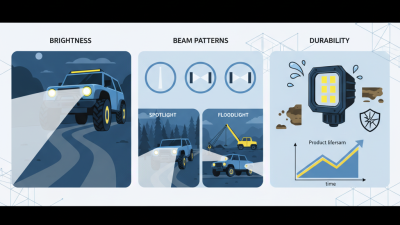
LED light pods have gained popularity for their versatility and efficiency. They provide illumination for off-road adventures, workspaces, or recreational activities. However, the sheer variety can be overwhelming. What features should you consider? Factors such as brightness, beam pattern, and durability come into play. Each application may demand different specifications.
Understanding the specific needs of your environment is crucial. Not every LED light pod suits every situation. Learning from your choices can help you refine your decision-making process in the future. Taking time to research and compare options will lead to better outcomes. It's natural to feel uncertain, but informed choices can pave the way to lasting satisfaction.
Understanding the Different Types of LED Light Pods Available in the Market
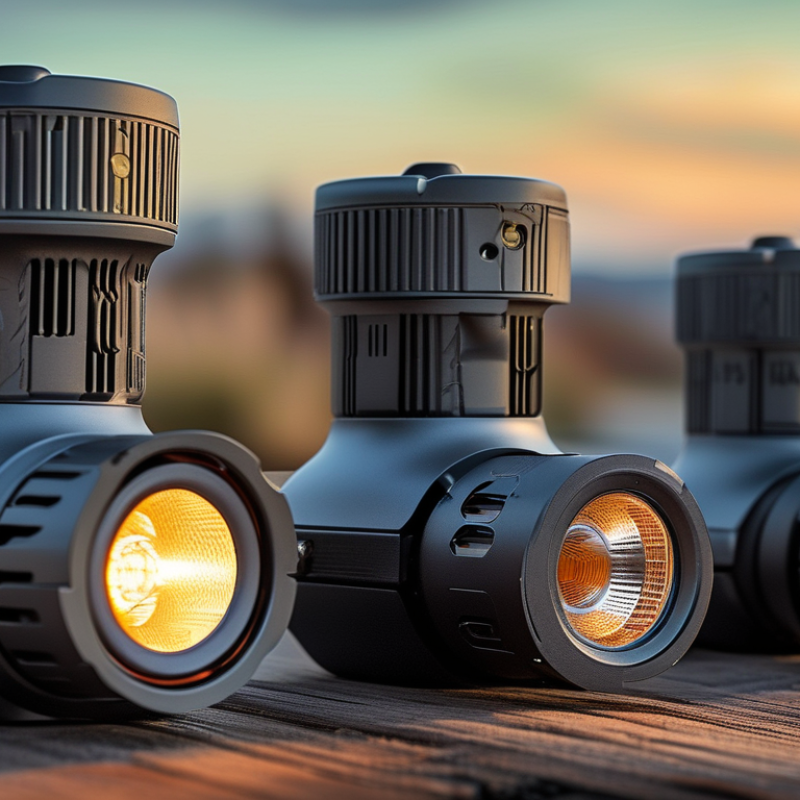
When selecting LED light pods, it’s crucial to understand the types available. There are various options, including flood lights, spotlights, and work lights. Flood lights spread light widely. They are perfect for illuminating large areas. Spotlights focus light on a small area, great for highlighting features. Work lights are designed for practicality, often portable, and adjustable.
Tips for choosing: Consider the brightness needed. Measured in lumens, more lumens mean brighter lights. Think about the beam pattern. Wider beams are excellent for general use, while narrow beams are better for focused tasks. Material quality is essential; look for durable options that can withstand the elements.
It’s also important to think about the installation process. Some pods require more effort to install than others. If you’re not handy, choose simpler options. Reflect on your specific needs. Will you use them off-road or for roadside assistance? Each scenario demands different features. Keep your priorities clear for the best choice.
Key Features to Consider When Selecting LED Light Pods for Your Needs
When choosing LED light pods, focusing on key features is essential. The brightness level, measured in lumens, is a critical factor. Research indicates that most consumer needs are met with pods offering between 1,500 and 3,000 lumens. This range ensures sufficient visibility for off-road and outdoor activities.
Another important consideration is the beam pattern. Flood beams are great for wide illumination, while spot beams focus light over a distance. A combination of both can provide optimal lighting versatility. It's also vital to assess the construction quality. Durable materials like aluminum or polycarbonate can withstand harsh conditions and impacts. Studies show that LED lights are 90% more energy-efficient than traditional lights, contributing to lower long-term costs.
While selecting, it's wise to avoid overly bright options. Excessive brightness may cause glare and reduce safety. Users also need to think about heat dissipation. Effective cooling systems enhance the lifespan of LED light pods, as overheating can lead to premature failure. Reflecting on these aspects can help ensure a suitable choice tailored to specific needs.
How to Choose the Best Led Light Pods for Your Needs? - Key Features to Consider When Selecting LED Light Pods for Your Needs
| Feature |
Description |
Importance |
| Brightness (Lumens) |
Indicates the amount of light emitted, higher lumens mean brighter lights. |
High |
| Wattage |
The power consumption of the light pod, affecting energy efficiency. |
Medium |
| Beam Pattern |
The shape of the light distribution, such as flood or spot beams. |
High |
| Durability |
Resistance to water, dust, and impact; typically rated by IP standards. |
High |
| Color Temperature |
Measured in Kelvin (K), affects the mood and visibility. |
Medium |
| Mounting Options |
Variety of installation methods available, affects versatility. |
Medium |
Comparative Analysis of LED Light Pod Brightness: Lumens vs. Watts
When choosing LED light pods, understanding brightness is crucial. Lumens measure brightness directly, while watts indicate energy consumption. This distinction helps in selecting the right light pod for specific needs. For example, a pod with higher lumens will produce more visible light, making it ideal for off-road driving or outdoor tasks. Conversely, choosing a lower wattage can save energy without compromising brightness, depending on your usage.
Tips for selection include considering your typical environment. If you often work in dark areas, prioritize lumens for maximum visibility. A well-lit space can enhance both productivity and safety. Remember, not all high-lumen options are the best. They might consume more power than necessary. Think about the balance between brightness and energy efficiency.
Moreover, reflect on the designs and beam patterns. A wide beam is excellent for illuminating larger areas, while a focused beam is better for targeting specific spots. Assessing the intended use will guide your choice. Investing in quality light pods is important, yet it’s often tempting to go for the cheaper option. Ensure you evaluate both performance and durability for long-term satisfaction.
Evaluating the Durability and Weather Resistance of LED Light Pods
When choosing LED light pods, evaluating durability and weather resistance is crucial. These light pods often see tough conditions. From heavy rain to extreme temperatures, they need to withstand it all. Look for an IP rating. An IP67 rating indicates complete protection against dust and immersion in water. This ensures your light pods remain functional in demanding environments.
Material also plays a significant role in durability. Aluminum housing is often used for its lightweight and robust nature. It resists corrosion and can endure impacts well. Glass lenses provide better clarity than plastic, but they may break more easily. You'll need to balance these factors based on your use case. Check customer reviews for real-life experiences. Users often share valuable insights about weather resistance and durability.
Reflect on your specific needs. Will these pods face muddy trails or snowy roads? Consider that some light pods might not perform well under certain conditions. It’s essential to weigh pros and cons carefully. Not all light pods are created equal. Understanding any potential limitations can save you from future regrets.
Cost-Benefit Analysis: Long-Term Savings of LED Light Pods Over Traditional Lights
When considering LED light pods, it’s essential to evaluate their long-term savings compared to traditional lighting.
LED technology is known for its efficiency. For instance, LED light pods consume significantly less energy. They can cut electricity costs by up to 80%. This reduction is impactful over time, especially for those using lights frequently.
Durability is another point to consider. LED pods often last over 25,000 hours. In contrast, typical incandescent lights may only last about 1,000 hours. This durability means fewer replacements and less waste. It might seem a higher upfront cost for LED pods is daunting. However, the long-term savings offset the initial investment.
While many benefits exist, it's not all perfect. Some users report issues with brightness or color accuracy. It’s important to choose wisely. Research and compare options. Ultimately, the cost-benefit analysis reveals a compelling case for LED light pods. Their efficiency and longevity can lead to significant savings over time, making them a smart choice for many lighting needs.