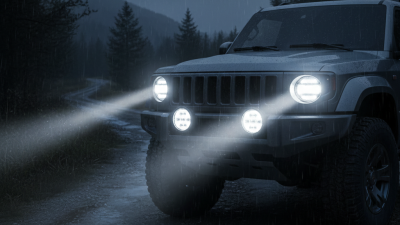
How to Choose the Best Driving Light for Your Vehicle?
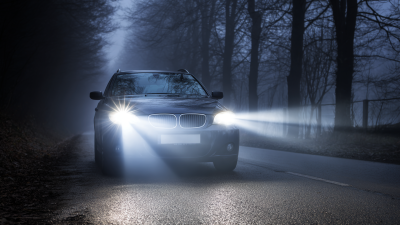
Choosing the right driving light can significantly enhance your vehicle's performance and safety. According to a recent industry report, over 60% of drivers are unaware of the importance of high-quality driving lights. This lack of knowledge can lead to poor visibility, especially in adverse weather conditions. Effective driving lights improve night-time clarity, reducing the risk of accidents.
Several factors influence the choice of driving light. These include brightness, beam pattern, and durability. A study by the Automotive Lighting Association found that vehicles equipped with advanced driving lights have a 30% lower accident rate. An informed choice can boost both safety and driving confidence.
However, not all products meet the highest safety standards. Some cheap options may lack the necessary certifications. It's essential to research thoroughly. Reading reviews and seeking professional advice can help navigate this complex market. Understanding your vehicle's needs is vital in making a sound decision regarding your driving light.
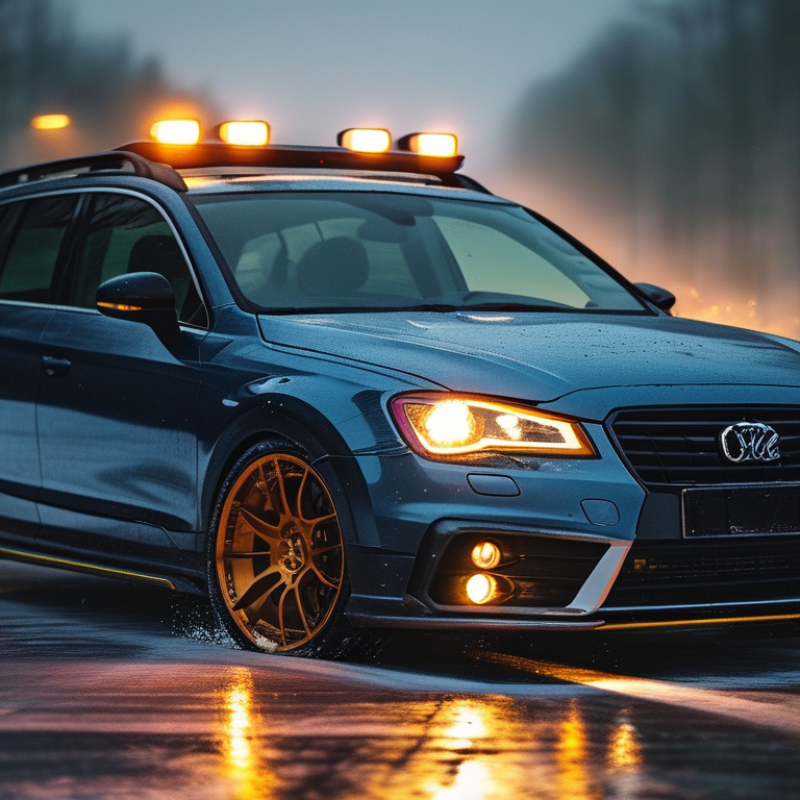
Understanding the Different Types of Driving Lights Available
When selecting driving lights, understanding the different types available is crucial. Driving lights generally fall into categories like LED, halogen, and HID. Each type has distinct features that cater to various needs. For example, LED lights consume less energy and offer longevity, with a lifespan of up to 50,000 hours. In contrast, halogen lights are known for their warm color output but typically last around 1,000 hours.
LED lights have gained popularity, accounting for nearly 60% of the market share in recent reports. This preference stems from their efficiency and brightness. Testing shows that LED driving lights can produce over 1,500 lumens, illuminating roads significantly better than traditional halogen options. However, it is essential to consider specific needs, such as the terrain and climate. Choosing lights that suit your driving environment can enhance safety and visibility.
HID lights also remain relevant, especially for off-road enthusiasts. Their brightness can reach up to 3,000 lumens, making them effective for illuminating wide areas. However, they require careful installation and may have a shorter lifespan than LEDs under certain conditions. Drivers should think critically about their choice, as the wrong type can lead to glare issues or inadequate lighting. Balancing performance and suitability is vital when selecting the best driving lights for your vehicle.
Factors to Consider When Choosing Driving Lights for Your Vehicle
Choosing the right driving lights for your vehicle requires careful consideration of several factors. One important aspect is brightness. You want lights that can cut through darkness, ensuring visibility on the road. Look for lumens rating, which indicates how much light a bulb emits. Higher lumens typically mean brighter lights, but don’t forget about beam pattern. A narrow beam can be long-range, while a wide beam covers more area close to the vehicle.
The type of light source is another key component. LED lights are becoming popular due to their efficiency and durability. They consume less power while providing significant brightness. However, they can be more expensive upfront. Halogen lights are cheaper but may not last as long. Think about how often you drive at night or in adverse weather when making your choice.
Consider installation and compatibility with your vehicle. Some lights require complex wiring, while others are plug-and-play. Ensure that the lights you choose match your vehicle's design and purpose. This involves thinking about how often you use them and under what conditions, such as off-road adventures or daily commutes. A good reflection on your specific needs will help you make the best decision.
Evaluating Brightness and Beam Patterns for Optimal Visibility
When choosing a driving light, brightness is critical for visibility. Measured in lumens, the brighter the light, the better it illuminates the road. A light with at least 1,000 lumens is often recommended. However, consider that excessive brightness can cause glare for oncoming drivers. It’s a balance; clarity without blinding others is essential.
Beam patterns further influence performance. Spot beams focus light into a narrow area, ideal for long-distance visibility. Flood beams disperse light across a wider area, perfect for nearby obstacles. Combining both types may enhance driving safety. Additionally, the placement of these lights matters. Improper positioning can create blind spots, affecting overall visibility at night.
Understanding local regulations is also important. Some areas limit the brightness or height of additional lights. Ignoring these restrictions could lead to fines or accidents. Take the time to explore options, but be aware of your vehicle's specific needs. Experimenting with different configurations can help you find the optimal setup for your driving experiences.
Brightness and Beam Pattern Evaluation for Driving Lights
The chart above compares the brightness levels in lumens of different beam patterns used in driving lights: Spot Beam, Flood Beam, and Combination Beam. Spot beams provide focused light for long distances, while flood beams offer a wider spread of light for better visibility in close range. Combination beams balance both, making them versatile for various driving conditions.
Assessing Installation Requirements for Your Chosen Driving Lights
Installing driving lights on your vehicle requires careful consideration of various factors. Begin by assessing your vehicle’s electrical system. Ensure it can handle the additional power requirements. Check if your vehicle supports the necessary voltage and amperage. If not, modifications may be needed. This could lead to unforeseen expenses and complications.
Next, evaluate the mounting options for your driving lights. Some vehicles have pre-drilled holes for easy installation. Others may require custom brackets. This might involve drilling or altering the vehicle’s structure, which can be both challenging and daunting. Make sure you have the right tools and skills for the job. Improper installation can lead to issues, like misalignment or even damage to the lights.
Wiring is another critical aspect. It’s essential to choose the appropriate gauge for your lights. Poor wiring can cause flickering or failure. Some may consider hiring a professional for this step. If you decide to do it yourself, double-check your connections. Take your time to avoid mistakes, as improper wiring can lead to a lot of frustration down the road.
Comparison of Popular Brands and Models of Driving Lights
When selecting a driving light, it's crucial to compare popular brands and models effectively. Certain lights excel in brightness and beam pattern. Others may offer better durability or energy efficiency. Look closely at features like LED technology versus halogen bulbs. LED options often last longer and consume less power. Yet, halogen lights can offer a warm glow that some drivers prefer.
Consider user reviews across different platforms for insights. Feedback can reveal potential issues, such as overheating or inadequate mounting options. Brands known for their superior customer service often receive praise from loyal users. Durability is another common concern. Many driving lights face harsh conditions, so robust construction is essential. Researching materials can help separate the more reliable options from mediocre ones.
Budget typically influences choices. Higher-priced models often come with advanced features, yet some affordable lights can perform remarkably well. Balancing cost with quality is key. Some models may shine brightly but lack the longevity or warranty support you need. It’s helpful to reflect on specific requirements for your vehicle and your driving habits. Don't hesitate to ask for second opinions. This can provide clarity and enhance your decision-making process.
How to Choose the Best Driving Light for Your Vehicle? - Comparison of Popular Brands and Models of Driving Lights
| Model |
Brightness (Lumens) |
Beam Pattern |
Durability |
Price Range |
| Model A |
3000 |
Spot |
IP68 |
$100 - $150 |
| Model B |
5000 |
Flood |
IP67 |
$120 - $175 |
| Model C |
4000 |
Combination |
IP69K |
$140 - $200 |
| Model D |
6000 |
Wide |
IP68 |
$130 - $180 |
| Model E |
5200 |
Spot/Flood |
IP65 |
$110 - $160 |