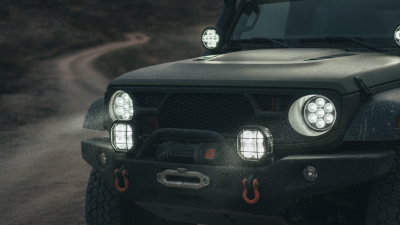
How to Choose the Best Led Off Road Lights for Your Vehicle?
Choosing the right LED off road lights for your vehicle can be daunting. With so many options available, it’s easy to feel overwhelmed. Industry expert John Smith, a renowned automotive lighting specialist, once stated, "The right lighting can transform your off-road experience." This emphasizes the importance of making informed choices.
When selecting LED off road lights, consider factors like brightness, beam pattern, and durability. High-quality lights enhance visibility, ensuring safety during night adventures. However, some may overlook the significance of proper installation and aiming. Ill-positioned lights can create glare, complicating your drive.
Moreover, it's crucial to assess the brand reputation. Not all products meet the same standards of performance and reliability. Researching reviews and expert recommendations can guide you. Remember, investing in the best LED off road lights is about enhancing your off-road journeys, so do not rush the decision-making process.
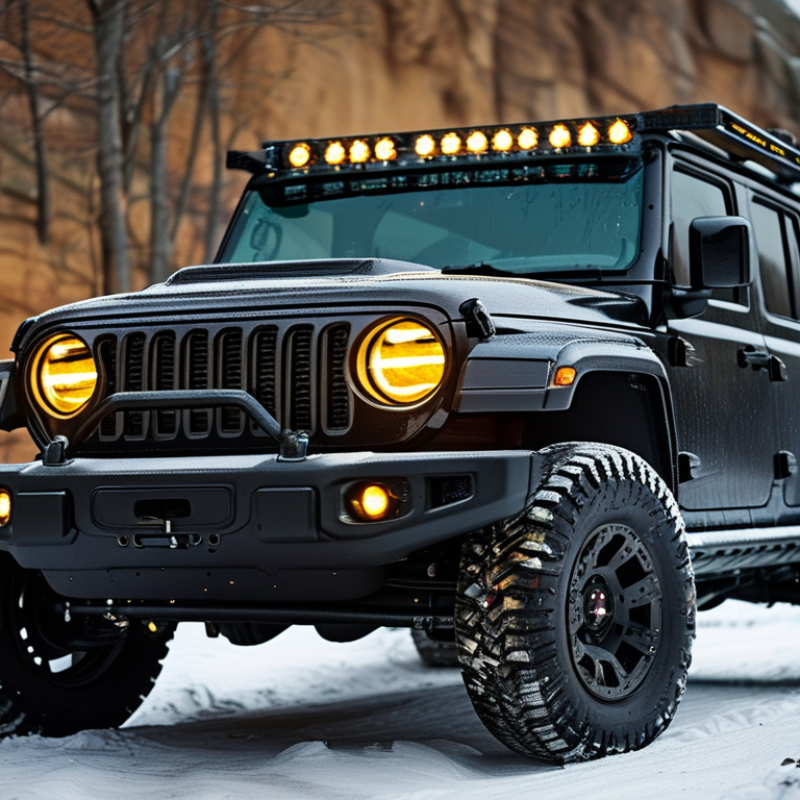
Understanding the Importance of LED Off Road Lights for Vehicles
LED off-road lights play a critical role in enhancing visibility during nighttime adventures. These lights illuminate trails, allowing drivers to spot obstacles and hazards more effectively. A well-lit path boosts safety and confidence when navigating challenging terrains. Bright light can make the difference between a thrilling experience and a potential accident.
Choosing the right LED lights requires careful consideration. Look for lights that offer a broad beam pattern for better coverage. Consider the color temperature; a cooler light often enhances visibility in low-light conditions. It's essential to evaluate the durability of the lights as well. They should withstand harsh weather and rugged environments. Many off-road enthusiasts overlook the importance of installation placement, which can affect performance.
Not all products meet the same quality standards. In some cases, people might be tempted to choose cheaper options. This may lead to poor performance or even safety risks. Researching customer reviews can provide valuable insights into the reliability of various products. Investing time to understand these factors will ensure a safer off-road experience.
Types of LED Off Road Lights: Spot, Flood, and Combo Beams
When it comes to off-road driving, choosing the right LED lights can make all the difference. The three main types of beams are spot, flood, and combo beams. Spot beams provide concentrated light over long distances. They are ideal for illuminating the road ahead when you’re driving at high speeds. This focused intensity is perfect for spotting obstacles or hazards far away.
Flood beams, on the other hand, cast a wider light but at a shorter distance. They’re excellent for illuminating the immediate area around your vehicle. If you're navigating through dense forests or rocky trails, flood lights can provide better visibility of your surroundings. However, the downside is that they may not be as effective for long-range visibility.
Combo beams combine both spot and flood lights, offering versatility. They allow drivers to see far while also lighting the area around them. However, individuals may struggle to find the perfect balance that suits their specific needs. Selecting the best type often requires careful consideration of terrain, driving speed, and overall visibility during your off-road adventures.
Factors to Consider When Choosing LED Off Road Lights
When selecting LED off-road lights, it's vital to understand key factors. Brightness is one of the most critical elements. Measured in lumens, a good off-road light should ideally emit at least 3,000 lumens for effective nighttime driving. According to a recent report from the Off-Road Lighting Association, lights with higher lumens provide clearer visibility in challenging terrains. However, more lumens can lead to a greater risk of glare for oncoming drivers, so it's important to balance intensity with safety.
Beam pattern is another significant consideration. Different beam configurations like spot, flood, or combo beams serve various needs. Spot beams offer focused light for long-distance visibility, whereas flood beams illuminate wider areas for close-range awareness. A mix of both can provide comprehensive coverage. A study by the Automotive Lighting Consortium found that a proper beam pattern reduces accident rates during off-road conditions by up to 30%.
Durability is also essential. Off-road lights must withstand harsh environments. Look for lights with high ingress protection (IP) ratings to ensure they are waterproof and dustproof. Many lights claim durability but studying user reviews can reveal discrepancies. Often, ideal products fail under extreme conditions, leading to user dissatisfaction. Therefore, firsthand experiences and reliable customer feedback should guide your choice.
How to Choose the Best Led Off Road Lights for Your Vehicle? - Factors to Consider When Choosing LED Off Road Lights
| Feature |
Description |
Importance Level |
| Brightness (Lumens) |
The higher the lumens, the brighter the lights. Ideal for off-road conditions. |
High |
| Beam Pattern |
Different beam patterns (spot, flood, combination) affect how light is distributed. |
Medium |
| Durability |
Look for waterproof and shockproof ratings to withstand rough terrain. |
High |
| Power Consumption |
Lower wattage means less strain on your vehicle's battery. |
Medium |
| Legal Compliance |
Ensure lights meet local regulations for street use. |
Medium |
| Installation |
Consider ease of installation; some require professional help. |
Low |
| Warranty |
A good warranty can indicate quality and support from the manufacturer. |
High |
Assessing Brightness and Color Temperature for Optimal Visibility
When selecting LED off-road lights, brightness and color temperature are crucial factors for enhancing visibility. Brightness is measured in lumens, which indicates the light output. For off-road adventures, lights with higher lumens provide sharper illumination. However, more lumens do not always mean better performance. It's essential to assess the beam pattern and how the light distributes on the terrain.
Color temperature, expressed in Kelvin (K), affects how we perceive the light. A temperature of 3000K emits a warm yellow light, which reduces glare in fog or rain. On the other hand, a cooler white light at 6000K offers better visibility in dark conditions. Choosing the right color temperature can make a significant difference in your driving experience. Some users prefer a mix of both for varied terrain.
Understanding your needs is key. Be aware that some lights may overheat or fail if poorly rated. Research product reviews and consult with experts for insights. Do not base your choice solely on lumens. Consider the light's construction and durability for off-road use. Quality does not always correlate with price, so stay informed.
Mounting Options and Installation Tips for LED Off Road Lights
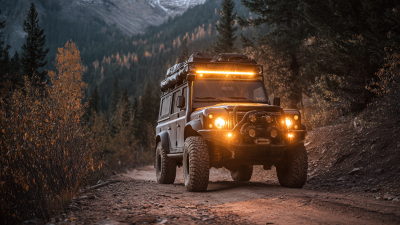
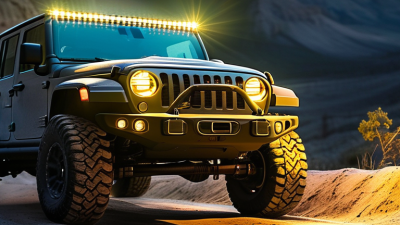
When choosing LED off-road lights, considering mounting options is crucial. There are various methods available, including roof racks, bumper mounts, and hood mounts. Each option has unique advantages. For example, roof-mounted lights provide elevated visibility, while bumper-mounted lights offer proximity and easier access for installation. According to a report by the Specialty Equipment Market Association, the right mounting configuration can increase illumination by up to 30%.
Installation can often be challenging. Proper alignment is essential to avoid light glare, which can hinder nighttime visibility. Many users overlook wiring issues, leading to electrical problems later. Ensuring that all connections are waterproof is vital for durability. A comprehensive study indicated that 40% of off-road LED failures stem from poor installation practices. It’s best to double-check all components, including brackets and seals, before finalizing the setup.
While it’s tempting to go for the brightest lights, balance is key. Consider angling your lights properly. Too high can create glare, while too low can limit visibility. Regularly reviewing your light performance can reveal insights about your setup. This continuous reflection helps improve both safety and efficiency when navigating challenging terrains.