Essential Auto Switch Panel Tips for Global Buyers?
Choosing the right Auto Switch Panel is crucial for any vehicle. This part controls essential functions, from lighting to power distribution. With so many options available globally, it can be overwhelming for buyers to make an informed choice.
Understanding the features of different Auto Switch Panels is vital. Some panels might look appealing but may lack durability. Others may boast excellent functionality but might be difficult to install. Buyers need to balance aesthetics, performance, and ease of use while making a decision.
It is essential to consider the intended use of the Auto Switch Panel. Different users have varying requirements based on their unique driving experiences. Reflecting on personal needs will guide buyers toward an option that truly enhances their vehicle functionality. Remember, the right choice can lead to a safer driving experience.
Understanding the Functionality of Auto Switch Panels in Vehicles
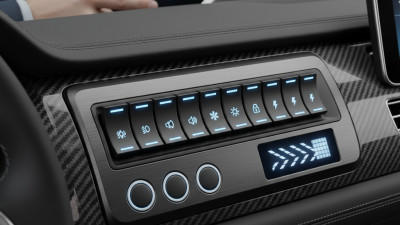
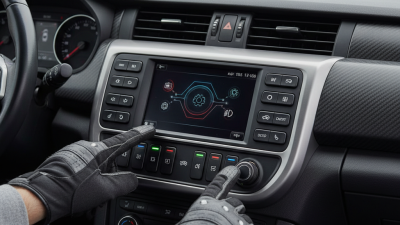
Auto switch panels serve a critical role in vehicle functionality, allowing drivers to control various electrical components. These panels simplify operations, consolidating numerous switches into an accessible format. Commonly, they include buttons for lights, wipers, and HVAC systems, contributing to a more streamlined driving experience. A well-designed panel increases usability, ensuring essential functions are within easy reach.
Understanding the layout of an auto switch panel is vital for safe driving. Many panels feature illuminated buttons, offering visibility at night. However, not all panels are intuitive. Some drivers struggle to locate specific switches quickly, which can lead to distractions. It’s crucial to familiarize oneself with the switch layout before hitting the road. Reflections on one’s experiences can help identify what works best for personal use.
Furthermore, material and build quality are significant factors. A durable auto switch panel can withstand regular use and resist wear. Be cautious of overly complex designs that may confuse. Strive for simplicity and efficiency in layout. Each panel should ideally enhance the driving experience, making it easier to focus on the road ahead.
Essential Auto Switch Panel Insights
This chart illustrates the usage frequency of different functionalities provided by auto switch panels in vehicles. Safety features dominate the panel usage, followed by lighting control and entertainment systems.
Key Features to Consider When Selecting Auto Switch Panels
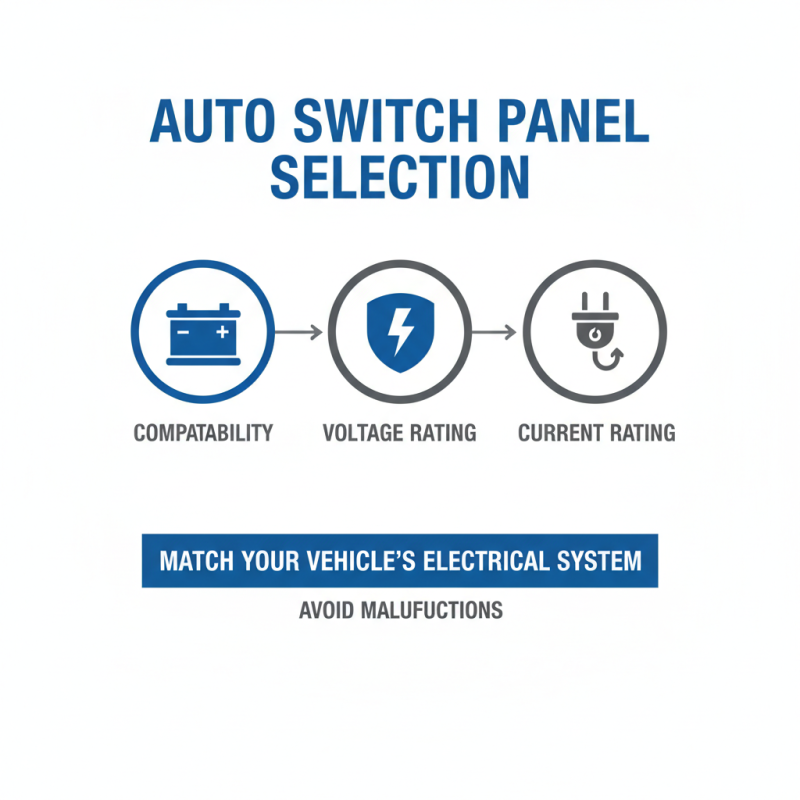
When selecting auto switch panels, several key features demand careful consideration. Start with compatibility. Ensure the panel suits your vehicle's electrical system. Check the voltage and current ratings to avoid future issues. It's easy to overlook this step, leading to potential malfunctions.
Next, look for ergonomic design. A well-designed panel allows for intuitive operation. Buttons should be clearly labeled and easily accessible. This may seem simple, but many overlook the importance of usability. Test the feel of the buttons. Do they respond well? Are they positioned conveniently?
Durability is also critical. Outdoor and off-road conditions can be tough on materials. Look for panels that use high-quality, weather-resistant materials. This attribute is often underestimated. Many find themselves replacing panels prematurely due to neglecting this factor. Consider how long you want the panel to last in challenging environments.
Market Trends: Growth of Auto Switch Panel Demand in the Automotive Industry
The automotive industry is undergoing a significant transformation, with auto switch panels playing a crucial role. A recent report suggests that the demand for these components is projected to grow by 8% annually through 2025. This surge can be attributed to the rapid advancement of vehicle technology, particularly in electric and autonomous vehicles. As manufacturers prioritize user interface design, the functionality and placement of auto switch panels are increasingly critical.
Recent data indicates that consumer preference is shifting towards more intuitive designs. Buyers now expect faster response times and enhanced accessibility. Approximately 45% of automotive buyers prioritize ease of use in switch panel interfaces. However, achieving this balance can be challenging for manufacturers. The complexity of integrating advanced features with user-friendly designs often leads to increased costs and production time.
Moreover, market trends reveal that sustainability is changing how auto switch panels are produced. Companies are exploring eco-friendly materials and environmentally responsible manufacturing processes. About 30% of consumers express willingness to pay more for sustainable options. Many manufacturers face the dilemma of balancing eco-initiatives with cost-effectiveness. The future of auto switch panels hinges on innovation, efficiency, and meeting evolving consumer expectations.
Comparative Analysis of Materials Used in Auto Switch Panel Production
When considering auto switch panels, the choice of materials plays a crucial role in performance and durability. Common materials include plastic, metal, and rubber. Each has its unique properties that influence functionality. For example, plastic is lightweight and cost-effective but may not withstand extreme temperatures. Metal offers strength and durability, yet it can add significant weight. Rubber, while flexible and resistant to wear, may not have the same longevity as plastics and metals in harsh conditions.
Comparing these materials involves assessing their impact on user experience. Buyers should reflect on the environmental conditions their switches will face. For hot climates, heat-resistant plastics or metals may be preferable. In contrast, wet environments demand materials resistant to corrosion. This analysis goes beyond just cost; it's about choosing a switch panel that offers reliability over time. Inadequate material choices can lead to frequent replacements, costing more in the long term.
Additionally, sustainability is an emerging factor. Eco-friendly materials might present a trade-off between performance and environmental impact. Buyers face the challenge of balancing these aspects. While performance is critical, off-gassing or recyclability of materials can be equally important. Ultimately, the decision should reflect both immediate needs and long-term implications for usage and the environment.
Important Safety Standards for Auto Switch Panels in Global Markets
When considering auto switch panels, understanding safety standards is crucial for global buyers. Auto switch panels must meet various international safety regulations, such as the IEC 60947 standard, which addresses the performance and safety of low-voltage switchgear and control gear. Failure to comply can lead to product recalls and safety hazards. As per a recent industry report from Market Research Future, the increasing demand for automotive safety and quality assurance has intensified scrutiny in this sector.
For effective purchasing, buyers should prioritize panels with certifications like UL, CE, or ISO 9001. These certifications ensure that the switch panels have undergone rigorous testing. Check for product testing reports to verify compliance claims. Materials like high-quality plastic or metal enclosures provide better durability against environmental factors.
Another essential tip is to assess customer feedback. Reviews can provide insights into the reliability of the auto switch panels. Always look for detailed feedback regarding the panel’s performance in different conditions. This information is invaluable in making informed choices. Maintaining safety while considering price remains a complex balance. Reflect on your priorities; safety should never be compromised for cost.