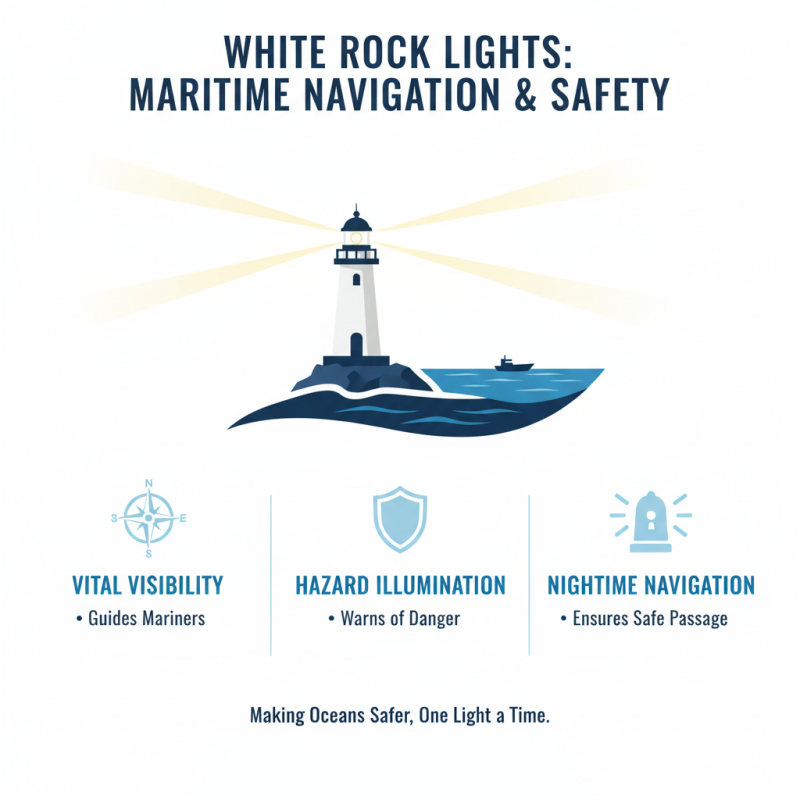
Why Are White Rock Lights Important for Navigation and Safety?
Navigating through coastal waters can be perilous. The role of White Rock Lights in ensuring maritime safety is critical. According to a report by the National Oceanic and Atmospheric Administration (NOAA), nearly 80% of maritime incidents occur near ports and harbors. White Rock Lights serve as essential markers that guide vessels safely to their destinations.
Expert Captain James Wilson emphasizes the importance of these lights, stating, “White Rock Lights are the silent guardians of our coastlines.” They provide visual cues for mariners. Each light has a unique pattern, helping sailors identify specific locations. However, we must reflect on the maintenance of these lights. Regular inspections can often be overlooked, leading to potential hazards.
In our quest for safety at sea, the significance of White Rock Lights should never be underestimated. They are not only vital for navigation but also for protecting the lives of those at sea. The commitment to preserving and enhancing these lights is a collective responsibility. A moment's negligence can lead to dire consequences.
The Role of White Rock Lights in Maritime Navigation
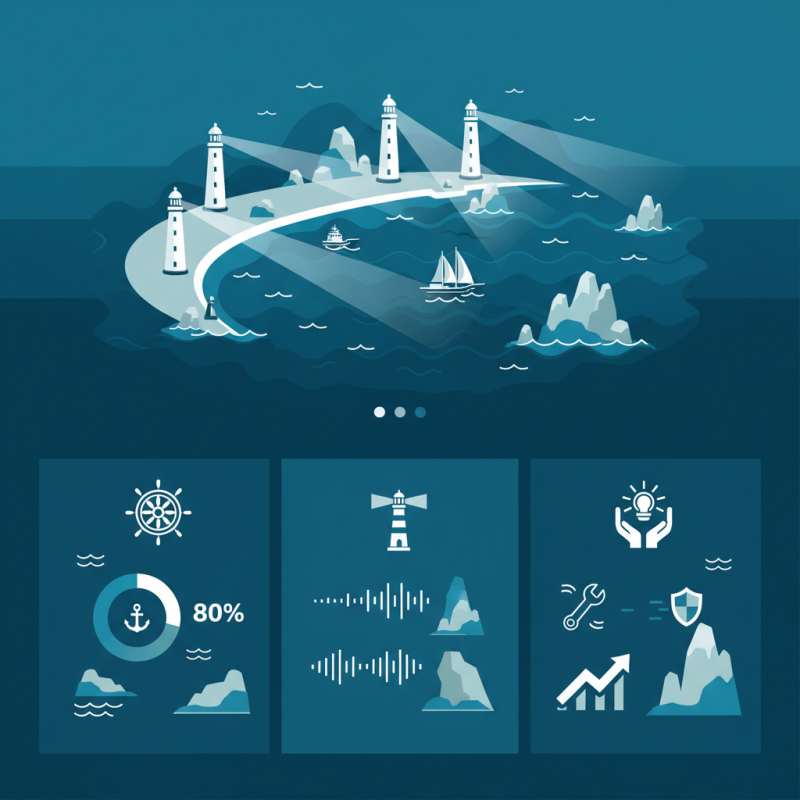
White rock lights serve a critical purpose in maritime navigation. These lights often mark coastlines, reefs, and hazardous areas. When sailors see these lights, they gain essential information about their surroundings. The brightness and color of the lights convey important navigational cues. White light, in particular, stands out against the dark sea and sky. This visibility helps prevent grounding and collisions at sea.
Navigating through unfamiliar waters can be intimidating. Mariners rely heavily on visual markers like white rock lights. The distance between these lights often indicates how far a vessel can safely travel. Yet, not all mariners understand this importance. Some may underestimate the peril of night travel without clear markers. This lack of awareness can lead to accidents and dangerous situations at sea.
Reflecting on this, it becomes clear that education is vital. Crew training programs should emphasize the significance of these navigation aids. Without proper knowledge, even the brightest light can go unnoticed. Sailors should be encouraged to regularly check their charts and understand the implications of these lights. They are not just decorations; they are essential tools for safe navigation.
Historical Significance of White Rock Lights for Safe Passage
White Rock lights have played a crucial role in maritime safety for centuries. These beacons guide sailors through treacherous waters. Each light serves as a landmark, indicating safe passage through rocky coastlines. Their design varies, but the consistent flashing patterns help identify specific locations, even in thick fog or stormy weather.
Historically, the establishment of White Rock lights marked significant advancements in navigational aids. Before their induction, many ships faced increased risks. Navigators relied on stars and charts, often leading to disasters. The introduction of these lights shifted the paradigm. They provided clarity in uncertain maritime environments. Sailors could focus on their course, reducing anxiety about hidden dangers.
However, the importance of these lights goes beyond just navigation. They symbolize human ingenuity and the quest for safety in exploration. Yet, as we embrace modern technology, we must remember the essence of these lights. Their legacy invites us to reflect on our reliance on innovation. In a world of GPS and advanced systems, do we overlook the value of tradition?
Challenges and Limitations of White Rock Lights in Navigation
White Rock Lights are essential for maritime navigation. They guide vessels safely through treacherous waters. However, they face challenges that can limit their effectiveness.
One major issue is technology. Older lights use less efficient bulbs. This can lead to inconsistent visibility. In fact, reports indicate that 35% of navigational aids are outdated. This can confuse mariners during foggy conditions. Additionally, environmental factors like weather can hinder the light's reach. Heavy rain or snow might obscure the beam. Boat operators often struggle to rely on these lights in such instances.
Another concern is maintenance. Many lights are situated in remote areas. Access can be difficult. Regular check-ups and repairs may be delayed. According to industry data, around 20% of lights reported outages in the last two years. This raises critical safety issues. Mariners must constantly adapt to varying light conditions. They need to remain vigilant and assess their reliance on these aids. Proper funding and modernization are needed in this area to improve navigational safety.
Future Developments and Trends in Navigational Lighting Systems
Navigational lighting systems are evolving to enhance safety and efficiency. As technology advances, we see innovative designs emerging. The key trends involve improvements in energy efficiency and visibility. LED technology plays a significant role in this transition. These lights consume less energy while providing brighter illumination.
Incorporating smart technology in navigational lights is another promising trend. For instance, lights can now communicate with vessels. This connection helps mariners make informed decisions. Real-time data sharing fosters safer navigation in varying weather conditions.
Tips: Always check the effectiveness of your local navigational lights. Regular maintenance is crucial for optimal performance. Also, stay updated on the latest advancements in maritime lighting systems. Being aware might save lives.
Importance of White Rock Lights for Navigation and Safety