2026 How to Choose the Best Lights for Off Road Driving?
When it comes to off-road driving, choosing the right lights can make all the difference. According to the Off-Road Lighting Association, 70% of off-road enthusiasts believe that adequate lighting is crucial for safety. A well-lit path enhances visibility, making off-road adventures safer and more enjoyable. Industry expert John Mitchell, a renowned lighting engineer, emphasizes, "The right lights can drastically improve your off-road experience."
Selection isn’t just about brightness. It's essential to consider beam patterns, durability, and power sources. Spotlights, floodlights, and LED bars each have unique advantages. For example, floodlights provide wide illumination, while spotlights offer long-range. Understanding these aspects helps drivers make informed choices.
Many users overlook the need for quality in favor of brightness. This can lead to subpar performance and safety risks. Investing in high-quality "Lights For Off Road" can yield better results. Just lighting up the track does not ensure a safe drive; strategic placement and type are equally vital. Choosing wisely can change how you tackle tough terrains under the stars.
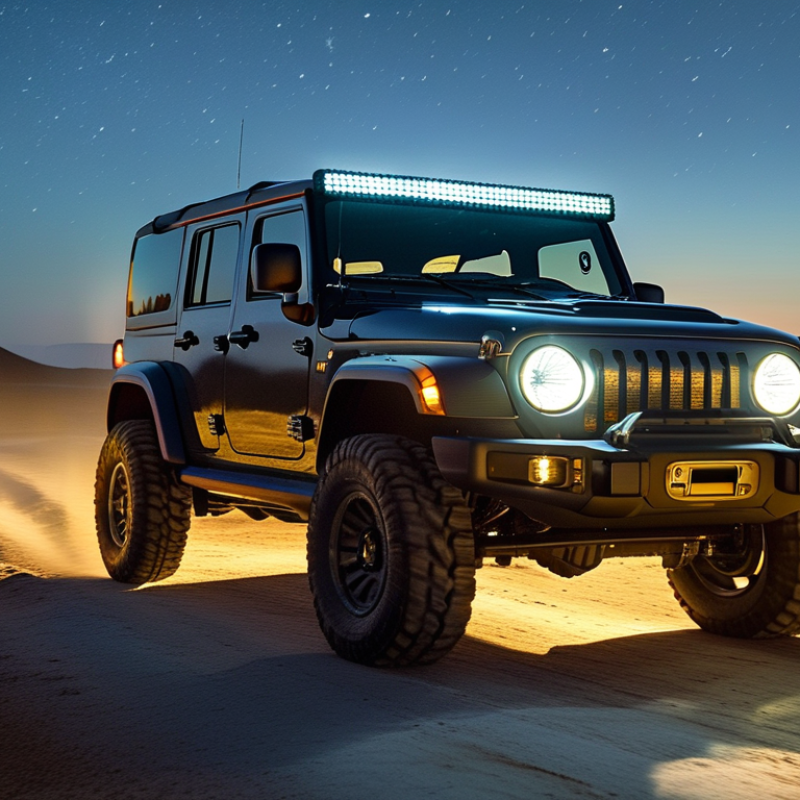
Understanding Off-Road Driving Light Types and Their Applications
When it comes to off-road driving, understanding different types of lights is crucial. These lights vary widely in design and function. For example, flood lights offer wide illumination and are ideal for low-speed driving. They light up large areas and help spot obstacles easily. Spot lights, on the other hand, provide focused beams. They work best for high-speed driving on open terrains.
Another option to consider is combination lights, which merge flood and spot capabilities. This versatility can enhance visibility in various conditions. Additionally, LED lights are popular for their energy efficiency and long lifespan. However, some users find them too bright, which may cause glare.
Choosing the right lights can feel overwhelming. Many factors affect performance, including weather and terrain. Not every light suits every situation. Therefore, conducting research and evaluating experiences of other drivers can influence your choice. Keep in mind that no solution is perfect; what works for one may not work for another. Personal preferences play a significant role in determining what feels right for your vehicle.
2026 How to Choose the Best Lights for Off Road Driving? - Understanding Off-Road Driving Light Types and Their Applications
| Light Type |
Brightness (Lumens) |
Beam Pattern |
Application |
Mounting Options |
| LED Light Bar |
12,000 |
Flood/Spot |
General Off-Roading |
Roof, Bumper |
| Halogen Spotlights |
3,000 |
Spot |
Long Distance Visibility |
Bumper, A-Pillar |
| Fog Lights |
1,200 |
Wide/Flood |
Low Visibility Weather |
Bumper, Grill |
| Off-Road Spotlights |
6,000 |
Spot |
Extreme Off-Roading |
Roll Cage, Roof |
| Auxiliary LED Lights |
4,000 |
Flood |
General Purpose |
Bumper, Side |
Assessing Brightness and Beam Pattern for Optimal Visibility
When choosing lights for off-road driving, brightness and beam pattern are crucial. Brightness is measured in lumens. A study from the Society of Automotive Engineers indicates that lights exceeding 1,000 lumens provide ample visibility for off-road conditions. However, higher lumens alone do not guarantee effective lighting. It’s essential to consider how that brightness is distributed.
The beam pattern plays a significant role in illuminating the terrain ahead. A wider beam can light up a broader area, but too wide can create dark spots. Conversely, a narrow beam penetrates further into the distance. According to the Journal of Light and Vision, a well-designed beam pattern combines both characteristics. It provides reach while also lighting up the paths beside the vehicle.
User experience often reveals the shortcomings of generic off-road lights. Many users report that while some lights are bright, the focus is not adequate for rough terrain. Others find that lights with a poor beam pattern lead to unnecessary glare. These issues underline the need for thorough research before making a purchase. Off-road driving conditions require a thoughtful balance of brightness and beam pattern to ensure safety and optimal visibility.
2026 How to Choose the Best Lights for Off Road Driving?
Assessing Brightness and Beam Pattern for Optimal Visibility
Considering Durability and Weather Resistance in Light Selection
When selecting lights for off-road driving, durability and weather resistance are critical factors. Off-road driving often involves rough terrains and unpredictable weather. The U.S. Department of Transportation emphasizes that vehicle lighting must withstand extreme conditions. Lights can be exposed to heavy rain, mud, and varying temperatures. Choosing lights that are rated at least IP67 ensures they are waterproof and dustproof, protecting them from moisture and debris.
Material quality plays a crucial role too. High-grade aluminum and polycarbonate materials are preferred for their strength and impact resistance. A study by the Society of Automotive Engineers indicates that well-constructed lights show a 40% longer lifespan under harsh conditions. It’s essential to consider vibration resistance as well, as constant jarring can lead to premature failure.
Installation also matters. Properly sealed connections can prevent water intrusion and corrosion, which are common pitfalls. Many users report issues with lights that appear robust but fail in wet conditions. Reflect on how you use your vehicle. If you often encounter severe weather, investing in higher-grade lights becomes necessary. Such choices protect your safety and enhance visibility in challenging environments.
Evaluating Mounting Options and Installation Requirements
When selecting lights for off-road driving, proper mounting options and installation are crucial. It impacts visibility, safety, and the overall driving experience. Consider the location for mounting your lights. Options include the front bumper, roof rack, or light pods. Each location has unique benefits and drawbacks. Front-mounted lights offer direct illumination, while roof-mounted lights provide a broader field of view.
Tips: Always ensure that the mounting brackets are sturdy. Weak mounts can lead to misalignment or even detachment during rough conditions. Use stainless steel fasteners to prevent rust, especially in wet environments.
Installation requires attention to wiring as well. Poor wiring can lead to electrical issues or short circuits. Carefully plan your wiring route to avoid hazards. Utilize wire holders to keep everything organized. Remember, a clean installation looks better and reduces the chance of future problems.
Evaluate the weight of the lights too. Heavier lights may require additional support. This can complicate installation but is essential for safety. Don’t overlook the need for adjustments after installation, especially if you frequently change light types or encounter rough terrain.
Budgeting for Quality: Cost vs. Performance in Off-Road Lights
Off-road driving can be thrilling. However, choosing the right lights can become daunting. You might think a higher price ensures better performance. But that’s not always the case. Quality lights need to balance cost and effectiveness.
When budgeting for off-road lights, consider your specific needs. How often do you drive off-road? What types of terrain do you encounter? More lumens aren’t the only factor. Durability and weather resistance matter too. Sometimes lower-priced products can meet your requirements effectively. Evaluate user reviews and expert ratings.
You may find yourself drawn to flashy features. But, do they enhance performance? Reflect on what truly matters. Does the added cost deliver real value? Spending less doesn’t mean compromising safety or capability. It’s essential to explore various options to find the best fit for your budget.