• FaceBook
  • Twitter
  • LinkedIn
  • YouTube
  • Instagram
Leave Your Message

How to Choose the Best Lights for Off Road Adventures?

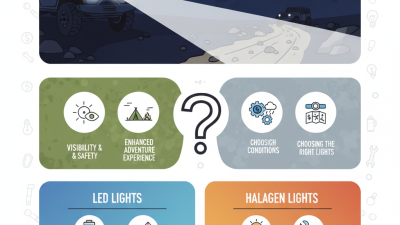
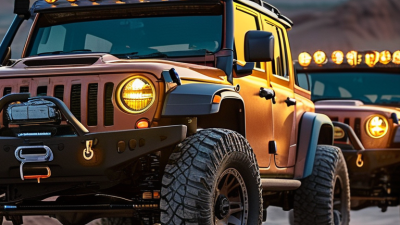
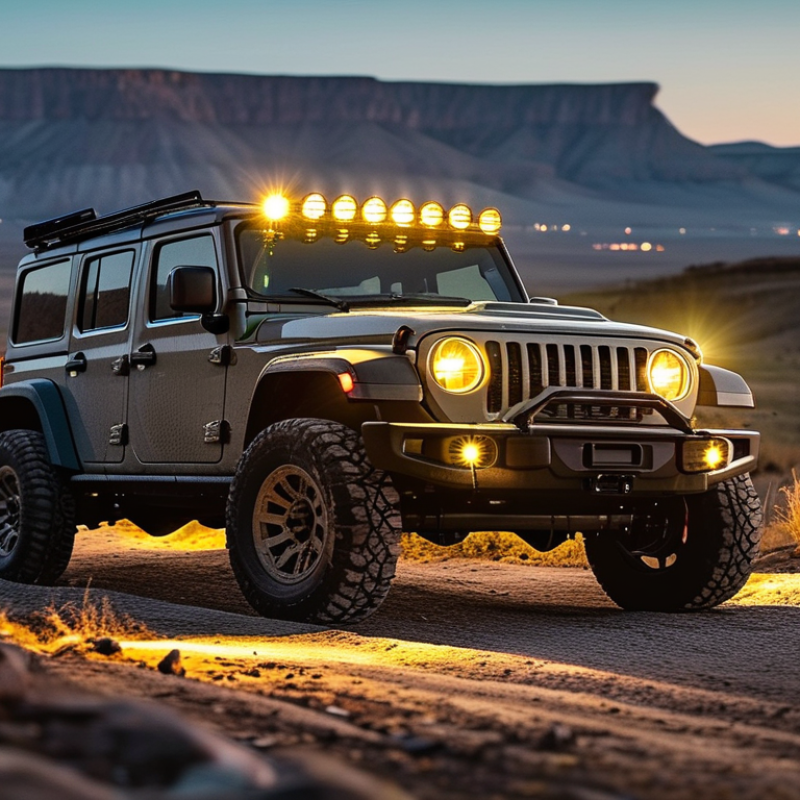
Choosing the right lights for off road adventures can significantly enhance your experience. Proper lighting helps you navigate tough terrains, ensuring safety and visibility. The right lights for off road can illuminate the path ahead, making challenging trails easier to conquer.

When considering the best lights for off road, various factors come into play. Brightness levels, beam patterns, and durability are crucial. You want lights that withstand harsh environments. The options range from LED to halogen lights. Each type has its benefits and drawbacks. Evaluating them carefully will ensure you make a wise decision.

It's easy to get overwhelmed with the many choices available. Not all lights will meet your specific needs. Take time to assess your vehicle and the types of adventures you plan. Sometimes, the most popular option may not be the best fit for you. Reflect on your experiences, and ask for advice from experienced off-roaders. This can guide you toward the best choice for your off-road journey.
How to Choose the Best Lights for Off Road Adventures?

Understanding Off-Road Lighting Needs for Adventure Driving

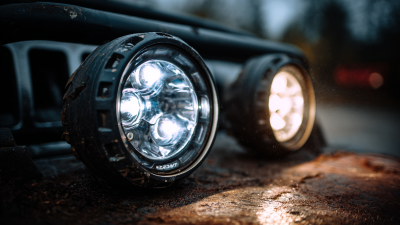
When venturing off-road, understanding your lighting needs is crucial. Off-road adventures often take you to remote and dark areas. Choosing the right lights can improve visibility and safety. Consider the types of lights available, such as LED lights, which are known for their brightness and energy efficiency. Their compact design also allows for versatile mounting options.

It's important to evaluate your typical off-road conditions. Are you driving through forests, deserts, or rocky terrains? The right lighting should match your environment. For instance, spotlights work well in open areas, while floodlights are ideal for closer visibility. Think about your driving speed, too. High-speed driving demands brighter lights for better sight distance.

While many off-road lights claim high lumens, actual performance can differ. Some lights may not last as long under harsh conditions. It's wise to look for user reviews and real-world experiences. Be careful to avoid relying solely on marketing claims. Reflect on your own experiences with various lighting setups to identify what truly works for you. Choosing off-road lights requires thoughtful consideration and a willingness to adapt to your unique adventures.
Types of Off-Road Lights: Pros and Cons Explained

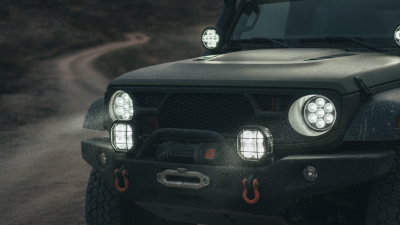
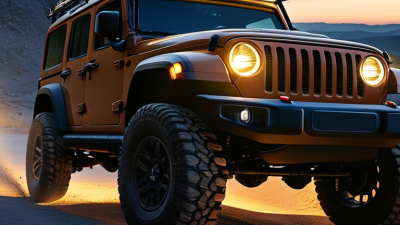
When selecting off-road lights, understanding the types available is crucial. LED lights are a popular choice due to their efficiency and longevity. They consume less power while providing bright illumination, which can improve visibility during nighttime adventures. According to a report by the Off-Road Lighting Association, LED lights can last up to 50,000 hours, a significant advantage over traditional halogen options. However, their upfront cost can be higher.

Halogen lights have been a staple in off-road lighting. They are typically less expensive than LEDs and provide adequate illumination for many drivers. However, they consume more energy and have a shorter lifespan—averaging around 1,000 hours. In rugged conditions, their fragility can be a concern. Some users report a tendency for halogen lights to burn out quickly after exposure to harsh environments.

Another option is HID (High-Intensity Discharge) lights. They produce a powerful beam that can enhance visibility over long distances. However, they require more time to warm up. They are also more complex to install and maintain. While their brightness can be a double-edged sword, as it can blind oncoming traffic, many off-road enthusiasts consider this trade-off worth it. Always reflect on your specific needs before making a choice.

How to Determine the Right Brightness and Beam Pattern

Choosing the right lights for off-road adventures can be challenging. Brightness and beam pattern are critical factors. Aim for a balance between visibility and safety. Too much brightness can lead to glare. This can reduce your ability to see clearly. A well-distributed beam pattern helps illuminate the terrain without overwhelming your vision.

When assessing brightness, consider lumens. More lumens mean more light, but more doesn't always equal better. For rugged terrains, a brightness of 1000 to 3000 lumens is often sufficient. It’s essential to test the lights in real-world conditions. Sometimes, a light that appears bright in a showcase can fall short on the trails. Beam patterns come in various types: spot, flood, and combination. Spot beams cast light far into the distance. Flood beams cover a wider area close to the vehicle. A combination allows versatility in different environments.

Reflecting on your specific needs is key. Do you mostly navigate rocky paths, or are you cruising through open fields? Each setting demands a different lighting solution. Take time to gather feedback from fellow off-roaders. Learning from others’ experiences can guide your choices. Remember, the best lights are not simply the brightest; they are the ones that enhance your adventure safely.

Factors to Consider When Mounting Off-Road Lights

Choosing the right lights for off-road adventures involves careful consideration, especially when it comes to mounting. The placement of your lights significantly impacts visibility and safety. Mounting them too low can reduce their effectiveness. Conversely, if mounted too high, they may blind oncoming drivers. Aim for a position that strikes a balance.

Consider the angle of your lights. A forward tilt can provide excellent distance illumination, helping you spot obstacles early. However, if your lights are angled too high, they can create unwanted glare. Adjust them for optimal performance, ensuring you enhance your field of vision without causing discomfort to others.

**Tips:** Ensure your lights are securely fastened. Vibration on rough terrain can loosen fixtures over time. Regularly check for this maintenance. Furthermore, evaluate the beam pattern carefully. Different terrains may require different types of light output, like spot beams for distance or flood beams for close-range visibility. Don't overlook this; it can make a substantial difference in your off-road experience.

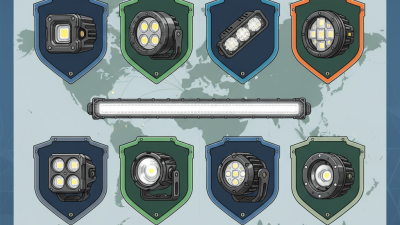
Off-Road Light Types and Popularity

Budgeting for Off-Road Lights: What to Expect and Plan For

Budgeting for off-road lights can feel overwhelming. Various factors influence costs. Understanding these factors will help you plan effectively.

Start by considering the type of lights you need. LED lights are popular due to their efficiency and brightness. However, they can be costly. Halogen lights are cheaper, but they consume more power and may not shine as brightly. Research these options based on your adventure's needs.

When budgeting, don't forget installation costs. Hiring a professional can add significant expense. You might be tempted to DIY, but mistakes can lead to safety issues. Allocate funds for potential repairs if things go wrong. Assess your skills honestly.

Tips: Always add a buffer to your budget for unexpected expenses. Consider the long-term value of higher-quality lights. Spending more upfront might save you money later. Look for sales or off-season discounts to ease the financial pressure. Balancing cost and quality requires careful thought.